
Trees
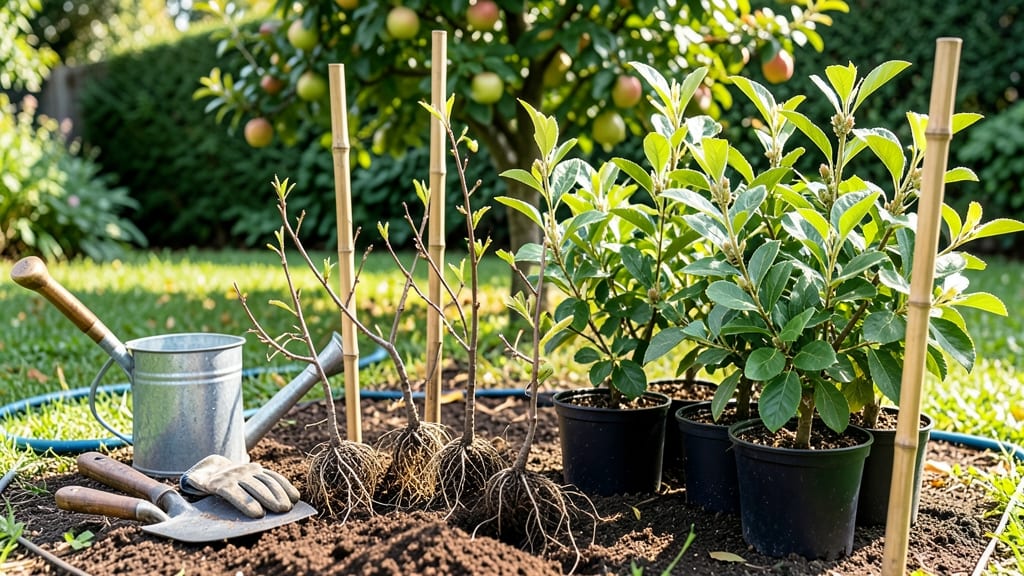
Planting fruit trees in New Zealand at the wrong time can mean the difference between a thriving orchard and a sad, frost-bitten sapling. With its dramatic climate shifts from Northland’s subtropical warmth to Southland’s chilly winters, timing isn’t just important—it’s everything.
I’ve seen firsthand how a single week too early can leave young roots vulnerable to unexpected frost, while planting too late might stunt growth before winter sets in.
The key lies in understanding your specific climate zone and matching it with the right fruit varieties—whether you’re growing feijoas in the north or apples in Canterbury.
In this guide, I’ll break down the exact planting windows for each region, so you can avoid common mistakes and set your fruit trees up for healthy, abundant harvests. Let’s get those roots in the ground at the perfect moment.
From soil prep to variety selection, we’ll cover everything you need to know to make your fruit trees thrive—no guesswork required. Ready to dig in?
New Zealand fruit tree planting calendar by climate zone
New Zealand’s climate varies dramatically from the subtropical Northland to the cooler Southland, meaning your ideal planting window depends on your region. Most fruit trees thrive when planted in late autumn or early spring, but subtropical varieties like citrus or feijoas need warmer soil.
For deciduous trees, aim for March to May—just before buds swell—to avoid frost damage.
Understanding your local frost dates is key. The North Island generally has milder winters, while the South Island experiences earlier frosts. For example, Canterbury’s frost-free period ends around mid-May, so plant apples or pears by April to establish roots before winter.
In contrast, Northland’s warmer climate allows citrus or avocado planting until June.
Deciduous trees (like apples, pears, and cherries) need dormancy periods—plant them when soil temps are 10–15°C and frost risk is low. Subtropical trees (citrus, feijoas, avocados) prefer warmer soil (15–20°C) and should go in after the last frost.
Always check your region’s frost charts—NIWA’s website is a great resource.
Here’s how planting times differ across NZ’s key regions, with dormancy needs and frost risks factored in:
| Region | Ideal Planting Window | Frost Risk | Dormancy Needs | Best Trees |
|---|---|---|---|---|
| Northland | April–June | Low (rare frosts) | Minimal (subtropical) | Citrus, feijoas, avocados |
| Auckland/Waikato | March–May | Moderate (light frosts) | Moderate (apples, pears) | Apples, peaches, plums |
| Wellington | February–April | High (frequent frosts) | High (dormancy required) | Apples, cherries, quinces |
| Canterbury | March–April | Very High (early frosts) | High (apples, pears) | Apples, pears, stone fruits |
| Southland | February–March | Extreme (late frosts) | Very High (hardy varieties) | Apples, plums, cherries |
🌱 Pro Tip: Always plant bare-root trees in dormant season (winter/early spring) for best survival rates.
For container-grown trees, you can plant outside your region’s ideal window, but ensure your pots are frost-proof and move them indoors if needed.
In Canterbury or Otago, where frosts linger until June, opt for late-flowering varieties like ‘Braeburn’ apples or ‘Santa Rosa’ plums to avoid frost damage to blossoms.
Soil temperature matters just as much as air temperature. Use a soil thermometer to confirm it’s 10°C or warmer before planting deciduous trees.
In Northland or Bay of Plenty, subtropical trees like citrus or macadamias can go in as early as February, but protect young plants with frost cloth if unexpected cold hits.
Microclimates play a huge role. A north-facing slope in Southland might be warm enough for early planting, while a frost pocket in Canterbury could delay planting by weeks. Always scout your site for windbreaks or low spots that trap cold air.
If you’re unsure about your local frost dates, contact your nearest Plant & Food Research office or use the NIWA frost forecast. For commercial growers, investing in a frost fan can extend your planting window by protecting young trees during late-season frosts.
Remember: bare-root trees establish faster than potted ones, but they must be planted immediately after purchase. If you can’t plant right away, heel them in (bury roots temporarily) and keep soil moist until you’re ready.
For potted trees, remove the container and loosen roots before planting to encourage root spread.
Finally, mulch heavily after planting to retain moisture and regulate soil temperature. In dry regions like Canterbury, use organic mulch like wood chips, while wetter climates benefit from gravel mulch to improve drainage. Adjust your planting time based on these factors for the best results.
Best fruit trees for each New Zealand region (based on planting time)
New Zealand’s varied climate zones mean the perfect fruit tree for your garden depends on where you live. In Northland, feijoas and citrus thrive year-round, while Canterbury’s crisp winters demand hardy apples and pears. I’ve narrowed down the top 5 fruit trees for each region, paired with their ideal planting windows to maximize your harvest. For subtropical zones like Auckland and Bay of Plenty, feijoas and avocados are star performers. These trees love warmth and can handle brief winter chills, making them ideal for spring planting (September–November). In contrast, cooler regions such as Otago and Southland need frost-resistant varieties like apples and plums, best planted in early autumn (March–April) to establish roots before winter.| Region | Top Fruit Trees | Ideal Planting Month | Microclimate Tip |
|---|---|---|---|
| Northland | Feijoa, Citrus, Avocado | September–November | Plant in sheltered spots to avoid windburn |
| Auckland | Stone Fruits (Peaches, Plums), Figs | March–April | Use frost blankets for young trees |
| Canterbury | Apples, Pears, Cherries | March–April | Avoid frost pockets; choose sunny slopes |
| Wellington | Quince, Asian Pear, Raspberries | September–October | Windbreaks essential for young trees |
| Otago/Southland | Apples, Plums, Currants | March–April | Mulch heavily for winter protection |
Pro tip: Test your soil’s pH level before planting. Most fruit trees prefer slightly acidic to neutral soil (pH 6.0–7.0). Amend with lime or sulfur if needed, and add compost for nutrients—your trees will thank you with bigger harvests in years to come! 🌱
For container growing, dwarf varieties like columnar apples or espalier pears work beautifully in smaller spaces. Just ensure your pots have drainage holes and use well-draining potting mix. With the right variety and timing, even urban gardeners can enjoy homegrown fruit! 🍎