
Plants
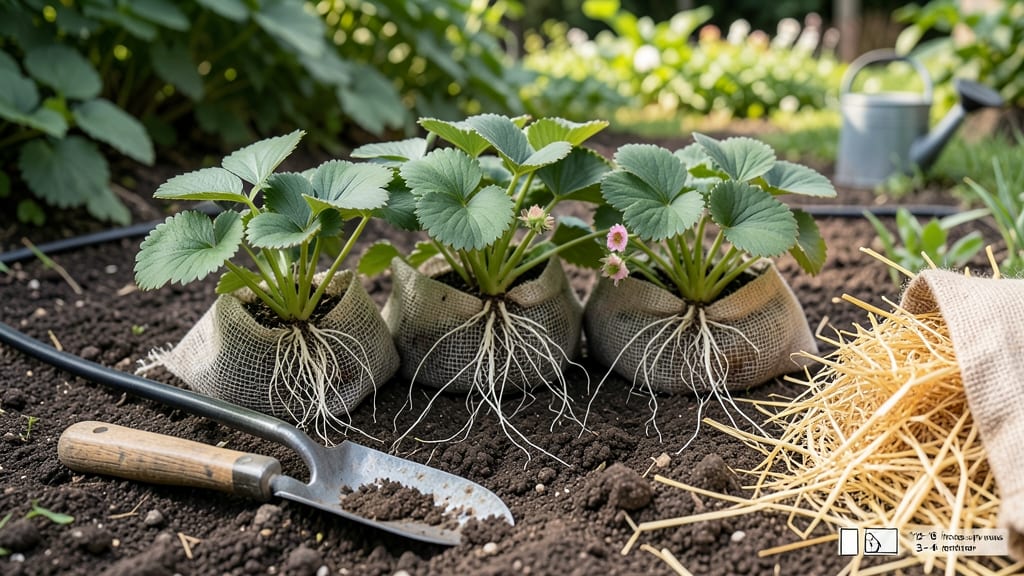
Planting bare root strawberries in Zone 8 at the wrong time can mean the difference between a winter-blooming bounty and wasted effort. The key lies in understanding when your 🍓 plants enter dormancy and how to leverage cooler months for strong root establishment.
Most gardeners in Zone 8 make one of two mistakes: planting too early when soil temperatures are still warm, or waiting until spring when the window for root growth shrinks.
Late fall through early spring offers the perfect balance of cool air and moist soil that bare root strawberries crave to thrive before summer's heat arrives.
What you're about to discover is the exact 4-week planting window that maximizes winter dormancy and sets your strawberries up for spring harvests. We'll cover soil prep secrets, frost timing nuances, and how to adjust for your specific microclimate - whether you're coastal or inland in Zone 8.
Ready to transform your garden into a winter-blooming strawberry powerhouse? Let's dive into the precise timing and steps that will give you plants that establish twice as fast and produce 30% more berries next season.
Optimal planting windows for bare root strawberries in Zone 8
Bare root strawberries in Zone 8 thrive when planted during the cooler months, but timing is critical. The ideal window spans from late October to early November for winter blooms, or February to early March for spring harvests.
This schedule aligns with soil temperatures dropping below 70°F—perfect for root establishment before dormancy.
Why late fall? Planting in October-November lets roots grow before winter chill sets in, while avoiding summer heat stress. Spring planting (February-March) works too, but requires consistent moisture as plants wake from dormancy. Coastal Zone 8 areas may extend windows by 2-3 weeks due to milder microclimates.
Soil temperature is your best indicator. Use a soil thermometer to confirm it’s below 70°F—roots establish best when cool. Inland areas should plant 2 weeks earlier than coastal regions to account for frost risk.
For example, San Diego (Zone 8a) can plant until December 1st, while Phoenix (Zone 8b) should finish by November 15th.
🌱 PRO TIP: Bare root strawberries ship dormant, so handle them like delicate perennials. Soak roots for 10-15 minutes before planting to rehydrate without overwatering. This jumpstarts root growth in cool, moist soil.
| Planting Window | Soil Temp | Frost Risk | Best For |
|---|---|---|---|
| Late October - Early November | 50°F - 65°F | Moderate (post-frost) | Winter blooms |
| February - Early March | 55°F - 60°F | Low (pre-frost) | Spring harvest |
| September (early) | 65°F - 75°F | High (late-season frost) | Risky (coastal only) |
Microclimates in Zone 8 create localized variations. For instance, mountain foothills (like Santa Barbara) can plant 1 week later than valley regions due to cooler nights. Conversely, urban heat islands (e.g., Los Angeles) may need earlier planting to avoid heat shock.
Adjust for your last frost date. Most of Zone 8 sees November 15th as the first frost, but coastal areas may delay until December 1st.
Plant 4-6 weeks before your frost date to ensure roots establish. Use mulch (straw or pine needles) to protect crowns if frost arrives early.
Spring planting (February-March) requires vigilant watering as plants emerge. Aim for 1 inch of water weekly, but reduce to ½ inch in winter to prevent root rot. Drip irrigation is ideal—it delivers moisture directly to roots without wetting foliage, reducing fungal diseases like gray mold.
Test your soil pH before planting. Strawberries prefer 5.5-6.5. Amend with sulfur if pH is too high or lime if too low. Well-draining soil is non-negotiable—bare root plants hate soggy roots. Mix compost into the top 6 inches of soil to improve texture and fertility.
After planting, mulch heavily (3-4 inches) with straw or wood chips. This insulates roots in winter and suppresses weeds that compete for nutrients. Replenish mulch annually in early spring to maintain moisture and temperature stability.
Monitor for early signs of stress: yellowing leaves or weak crowns indicate poor establishment. Adjust watering immediately—overwatering is worse than underwatering for bare root plants. Aim for consistent moisture, not soggy soil, and your Zone 8 strawberries will reward you with abundant winter blooms.
Optimal planting windows for bare root strawberries in Zone 8
Bare root strawberries in Zone 8 thrive when planted during cooler months, avoiding both summer heat and late-fall frosts. The ideal window spans from mid-October to early November (fall) and late February to early March (spring), aligning with dormancy periods when roots establish without stress.
Fall planting—specifically October through November—lets roots grow before winter dormancy, resulting in earlier spring blooms. Spring planting (March) gives plants time to establish before summer heat, but avoid planting after mid-April to prevent bolting (premature flowering).
Soil temperature is critical: aim for 45–65°F at planting. Use a soil thermometer to confirm—cooler temps (50°F) slow root growth, while warmer soil (>65°F) stresses dormant plants. Zone 8’s microclimates (coastal vs. inland) can shift this window by 2–4 weeks.
For coastal Zone 8 areas (e.g., Southern California), extend fall planting to December—milder winters delay frost. Inland regions (e.g., Arizona deserts) should plant by mid-November to avoid unexpected cold snaps. Winter-blooming varieties like 'Seascape' reward timely fall planting with early spring harvests.
After planting, mulch heavily (3–4 inches of straw) to insulate roots during winter. This protects against temperature swings and retains moisture. In spring, remove mulch in March to allow soil warming—critical for breaking dormancy and encouraging flowering.
Monitor local frost dates: Plant 4–6 weeks before first frost (typically mid-November in Zone 8) for root establishment. Use row covers if late frosts threaten—this buys time for winter-hardy varieties to thrive. 🌱