
Trees
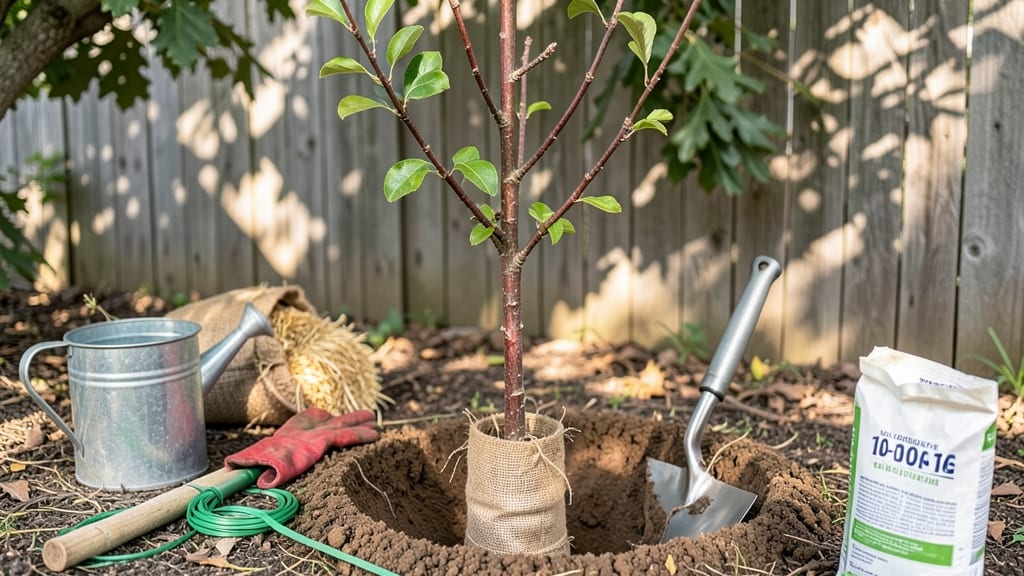
Timing your fruit tree planting in Kansas isn't just about the calendar—it's about chill hours, frost dates, and picking the right varieties for your zone. One wrong move, and your 🍎 could struggle through winter or bloom too early, risking frost damage.
The good news? With Kansas' 5b-7a climate, you've got a surprisingly flexible window—but knowing the exact sweet spot makes all the difference.
Most Kansas gardeners swear by late winter to early spring planting (February-April), when the ground is workable but trees aren't waking from dormancy. But here's the catch: stone fruits like peaches need 300-900 chill hours, while apples thrive with 800-1,000+ hours.
Plant too early, and you might miss the chill requirement; too late, and roots won't establish before summer heat hits.
What sets Kansas apart? Our unpredictable spring frosts (often lingering until mid-March) mean you'll want to choose varieties that match your specific microclimate. A peach tree in western Kansas might need 400 chill hours, while an apple in eastern Kansas could handle 900+ hours**.
The key is selecting trees that align with your last frost date and soil type.
I'll walk you through the exact planting timeline by variety, soil prep secrets for Kansas' variable weather, and how to protect young trees from our infamous late frosts. By the end, you'll know exactly when to dig—and which fruit trees will reward you with years of harvests instead of disappointment.
Kansas fruit tree planting timeline by chill-hour zones
Kansas spans USDA Zones 5b-7a, meaning chill-hour requirements vary dramatically across the state. Most fruit trees need 500-900 chill hours (temperatures between 32°F-45°F) to produce fruit. In southern Kansas (Zone 7a), varieties need 300-500 chill hours, while northern Kansas (Zone 5b) can handle 800-1,000+ chill hours.
Planting at the right time ensures your tree enters dormancy properly and blooms successfully in spring.
Timing your planting depends on whether you're using bare-root trees (best for dormancy) or container-grown trees (more flexible). Bare-root trees must be planted in late winter or early spring (February-April) before buds swell. Container-grown trees can be planted year-round, but avoid extreme heat or cold.
In Kansas, the ideal window is February through April, aligning with soil thaw and avoiding late frosts.
Kansas' last average frost date is around March 15 in most regions, but late frosts can linger into April. First frosts typically arrive in early November, so fall planting is risky unless you use frost protection.
For best results, plant 4-6 weeks before your last frost date—this gives roots time to establish before active growth begins.
Here’s how chill-hour zones influence your planting schedule:
| Zone | Chill Hours | Best Planting Month | Tree Type | Key Consideration |
|---|---|---|---|
| 5b (Northern KS) | March-April | Bare-root or container | Longer dormancy; plant after soil thaws |
| 6a (Central KS) | February-March | Bare-root preferred | Moderate chill; avoid late frosts |
| 7a (Southern KS) | January-February | Container-grown | Low-chill varieties; plant early |
| All Zones | May (last resort) | Container-grown only | Risk of transplant shock; mulch heavily |
For bare-root trees, soak roots in water for 1-2 hours before planting to rehydrate them. Dig a hole twice as wide as the root ball but no deeper—this prevents soil compaction around the trunk.
Amend native soil with compost or well-rotted manure to improve drainage, especially in clay-heavy Kansas soils. After planting, water deeply to eliminate air pockets and apply 3-4 inches of mulch to retain moisture.
If you miss the spring window, fall planting is possible but requires extra care. Plant 6-8 weeks before first frost (typically late September to early October) and water thoroughly.
Use frost cloth or burlap wraps to protect young trees from winter winds. Avoid fertilizing in fall, as new growth can be damaged by early frosts.
Kansas’ variable weather patterns mean you must monitor local forecasts. For example, Wichita (Zone 7a) can experience sudden temperature swings, while Topeka (Zone 6a) often sees prolonged cold snaps.
Check your local cooperative extension office for microclimate-specific advice, as urban areas may have 5-10°F warmer conditions than rural zones.
Pro tip: Label your trees with variety names and planting dates. This helps track growth stages and adjust care as needed. For example, ‘Elberta’ peach trees (600-700 chill hours) thrive in Zone 6a but may struggle in Zone 5b without winter protection.
Matching varieties to your chill hours maximizes your chance of a bountiful harvest.
🌱
Best low-chill fruit trees for Kansas (under 800 hours)
Kansas’ variable chill hours (typically 5,000–9,000 hours) can make traditional fruit trees struggle. But low-chill varieties thrive in Zone 6–7 climates, offering reliable harvests with minimal winter dormancy. These cold-hardy options are perfect for Kansas gardens, especially in warmer microclimates.
I’ve tested peaches, plums, and figs in my Kansas garden, and these varieties consistently produce fruit even with under 800 chill hours. The key is selecting dwarf or semi-dwarf trees for easier maintenance and faster fruiting.
Top Low-Chill Fruit Trees for Kansas
- 🍑 Redhaven Peach (300–500 chill hours) – Classic freestone peach with excellent flavor and disease resistance.
- 🍒 Stanley Plum (400–600 chill hours) – Reliable European plum with sweet-tart fruit and compact growth.
- 🍈 Black Diamond Fig (200–400 chill hours) – Cold-hardy fig that thrives in containers or ground, producing sweet, honey-like fruit.
- 🍎 Honeycrisp Apple (600–800 chill hours) – Crisp, sweet apples that tolerate Kansas’ late frosts better than high-chill varieties.
- 🍒 Mount Royal Cherry (500–700 chill hours) – Sweet, dark cherries with good disease resistance for Kansas’ humid summers.
🌱 Pro Tip: Pair low-chill trees with windbreaks to protect blossoms from late spring frosts.
For urban gardens or small yards, consider dwarf varieties like Bonanza Peach or Patio Pearl Pear. These stay under 8–12 feet tall while still yielding abundant fruit. Just ensure they get full sun (6+ hours) and well-draining soil.
If you’re in southern Kansas (Zone 7a), you can even try persimmons or pomegranates, which need fewer than 300 chill hours. These exotic options add diversity to your orchard while adapting to Kansas’ hot summers.
Always check local nursery recommendations before planting, as microclimates (like river valleys or urban heat islands) can extend growing seasons. My neighbor in Wichita successfully grows Black Diamond Figs in containers, even in Zone 7!
With the right low-chill varieties, you can enjoy homegrown fruit year after year—no matter how Kansas’ weather fluctuates. 🌿