
Trees
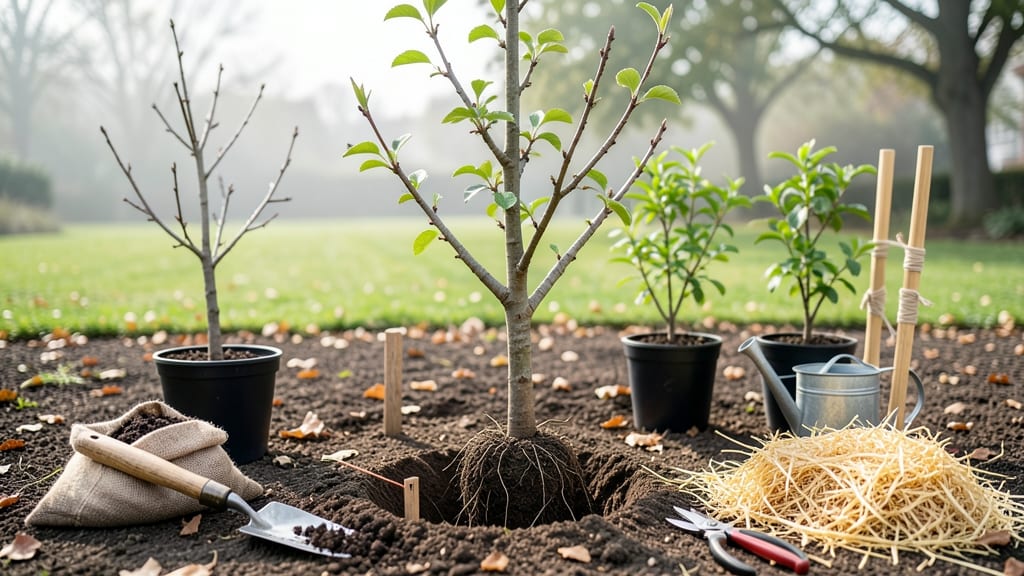
Planting fruit trees in Iowa at the wrong time can mean the difference between a thriving orchard and years of disappointment—especially in USDA Zone 5B where frost lingers late.
The key isn’t just picking a season; it’s understanding how Iowa’s unpredictable spring and early fall frost dates play into your success. Whether you're dreaming of juicy apples or sweet cherries, timing your planting right ensures your 🍎 trees take root strong and grow healthy.
Most Iowa gardeners swear by early spring—March to April—when the soil thaws but before buds burst. But fall planting (September to October) also works, giving roots time to establish before winter. The trick?
Avoid planting too early when the ground is still frozen or too late when frost looms. I’ll break down exactly when to dig in for each fruit type, so you don’t waste time or money on a failed start.
You might think all fruit trees are the same, but apples, peaches, and cherries each have their own ideal window. For example, bare-root trees need cooler soil, while container-grown varieties are more flexible.
I’ll share how to prep your soil, choose the right variety for Iowa’s climate, and even where to find local nurseries stocked with hardy, zone-5b-approved trees. Let’s get your orchard off to the best possible start.
Ready to turn your backyard into a fruitful haven? The next few months are your best shot—don’t let another season slip by without the knowledge to plant like a pro.
I’ll walk you through every step, from soil prep to frost dates, so you can enjoy homegrown fruit for years to come.
Best planting months for fruit trees in Iowa’s USDA Zone 5B
Timing is everything when planting fruit trees in Iowa’s USDA Zone 5B, where last frost dates average around April 15 and first frosts arrive by October 15.
My experience shows that early spring (March-April) and early fall (September-October) offer the best windows for establishing healthy roots before extreme weather sets in. The key is planting when soil temperatures rise above 40°F (4°C) but before summer heat stresses young trees.
Iowa’s climate rewards patience—planting too early risks frost damage to tender roots, while waiting too late can stunt root development before winter dormancy. For bare-root trees, I always aim for late winter to early spring (February-March) when roots are dormant but soil is workable.
Container-grown trees, however, give you more flexibility and can be planted until early fall.
🍎 Iowa Fruit Tree Planting Calendar
| Fruit Type | Best Planting Window | Key Considerations |
|---|---|---|
| Apples | Late March–April or September–October | Cold-hardy varieties like Honeycrisp thrive with 6-8 weeks of root establishment before winter |
| Peaches | Early April–May or late August–September | Avoid late planting—peaches need full dormancy before winter; choose late-blooming varieties |
| Cherries | Late March–April (spring only) | Sweet cherries require cross-pollination; plant two compatible varieties; avoid fall planting due to crown rot risks |
| Plums | March–April or September | Dwarf varieties like Stanley establish faster; amend soil with compost to improve drainage |
| Pears | Late April–May or early September | Wait until after last frost; Bartlett pears need well-drained soil to prevent root rot |
🌱 Pro Tip: Always check local Iowa State University Extension frost date maps before planting.
For bare-root trees, I recommend planting as soon as soil thaws in late winter (February-March) to give roots time to establish before summer heat. These trees enter dormancy naturally, making them ideal for Iowa’s climate.
I’ve seen apple trees planted in early April thrive when given consistent moisture during their first growing season.
Fall planting (September-October) works beautifully for container-grown trees because cooler temperatures reduce transplant shock. The key is planting 6-8 weeks before first frost—enough time for roots to establish but not so late that new growth can’t harden off before winter.
I always test soil temperature with a soil thermometer to ensure it’s above 50°F (10°C).
One mistake I’ve seen new gardeners make is planting stone fruits (peaches, nectarines) too late in fall. These varieties need time to acclimate to winter dormancy, and late planting can lead to crown rot or winter dieback. Always choose late-blooming cultivars like Redhaven peaches for Iowa’s climate.
Local nurseries like Iowa Fruit Trees in Ames or Stella’s Tree Farm in Mount Pleasant offer region-specific varieties that thrive in Zone 5B. Their experts can help you select disease-resistant trees adapted to Iowa’s humid summers and freezing winters.
I always ask about fire blight resistance in apples—a common issue in Iowa’s climate.
Remember that soil conditions play a huge role in timing. If your soil stays waterlogged in spring, delay planting until drainage improves. In my experience, raised beds or mounded soil can help if your yard has heavy clay—a common challenge in Iowa.
The goal is to plant when roots can grow actively without stress from extreme temperatures.
🌿 Finally, consider microclimates in your yard. South-facing slopes warm up faster in spring, while low-lying areas may stay cold longer. I’ve had success planting peach trees on south-facing hillsides where they receive extra sunlight to offset Iowa’s shorter growing season.
Critical factors affecting Iowa fruit tree planting success
Planting fruit trees in Iowa isn’t just about picking a month—it’s about understanding soil temperature thresholds, frost dates, and how your local microclimate behaves. In USDA Zone 5B, where winters can swing from -15°F to 90°F, timing is everything.
For example, bare-root trees need to establish roots before the ground freezes, while container-grown trees offer more flexibility but still require workable soil.
Iowa’s last average frost date hovers around April 15, but this can vary by 10-14 days depending on your county. Planting too early risks frost damage to new growth, while waiting too long may stunt root development before summer heat arrives.
Similarly, fall planting (September-October) works because trees enter dormancy, but you must finish 6-8 weeks before the first frost.
Soil must reach 40°F+ for roots to activate. Use a soil thermometer to check depth (6-8 inches).
Plant bare-root trees when soil is workable (March-April) or 6-8 weeks before first frost in fall.
Fall-planted trees benefit from dormancy, reducing transplant shock before winter.
South-facing slopes warm faster; valleys hold cold air longer. Adjust planting dates by 1-2 weeks accordingly.
Iowa’s spring rains can waterlog soil—amend with compost to improve drainage before planting.
Another critical factor is tree variety selection. Stone fruits (peaches, plums) thrive in Iowa’s heat but need winter protection (e.g., mulch, windbreaks). Apples and cherries, however, handle cold better but require cross-pollination—plant at least two compatible varieties for fruit production.
Always check the chilling hour requirements of your chosen tree; Iowa’s 1,500-2,000 hours of winter chill suit most varieties, but some (like apricots) need fewer.
Don’t overlook local weather patterns. Use Iowa State University’s Mesonet or NOAA climate data to track 5-year averages for your area. For instance, Des Moines may have a softer spring than Dubuque, allowing earlier planting.
Pro tip: Container-grown trees can be planted 1-2 weeks later than bare-root since their roots are already established.
Finally, mulching plays a pivotal role. Apply 3-4 inches of organic mulch (straw or wood chips) after planting to retain moisture and regulate soil temperature. In Iowa’s hot summers, mulch prevents root burn, while in winter, it insulates roots from freeze-thaw cycles.
Just avoid piling mulch against the trunk—keep it 3 inches away to prevent rot.
By aligning your planting with these Iowa-specific factors, you’ll give your fruit trees the best shot at healthy growth and abundant harvests—no matter how unpredictable the season gets. 🌳