
Trees
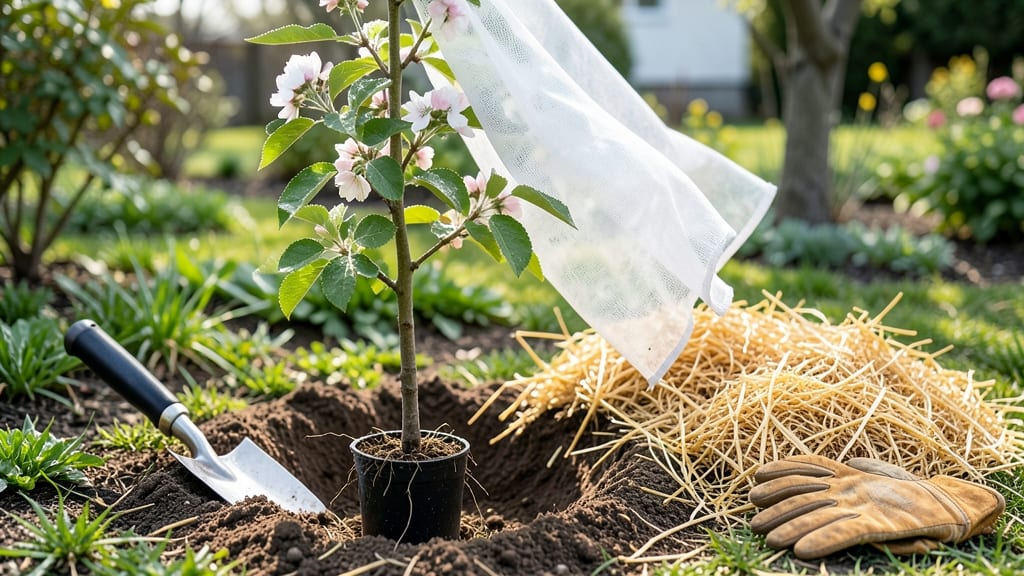
Planting an apple tree 🍎 in Iowa isn’t just about grabbing a sapling and sticking it in the ground—it’s about timing it right to beat the 5a-5b zone’s unpredictable frosts.
One wrong move, and you could end up with stunted growth or worse, a dead tree before it even takes root.
Iowa’s early springs and late frosts mean the difference between a thriving orchard and a failed experiment often comes down to when you plant.
Whether you’re working with bare-root trees or container-grown saplings, knowing the exact window—early spring or fall—can make all the difference in survival rates and long-term health.
In this guide, I’ll break down the zone-specific deadlines you need to know, from soil temperature cues to frost-free date tracking. You’ll also discover how to prepare your soil, choose the right varieties for Iowa’s climate, and avoid common pitfalls that trip up even experienced gardeners.
Ready to plant with confidence? Let’s get your apple tree off to the best possible start—because in Iowa, timing isn’t just a suggestion, it’s the key to success.
Iowa’s USDA Zones and the ideal planting window for apple trees
Iowa spans USDA Zones 4a–6b, but most gardeners focus on Zones 5a–5b where apple trees thrive. The critical planting window is early spring (March–early April) or fall (September–early October), when soil temperatures stay above 45°F and frost risks drop.
Planting outside these windows risks root shock or late-spring freezes, which can kill young trees.
For bare-root trees, spring planting gives roots time to establish before winter. Fall planting works too, but avoid late October when first frost (around October 15) can damage tender roots. Container-grown trees offer flexibility—plant them anytime soil isn’t frozen, but spring is still ideal for faster root growth.
Iowa’s last average frost date is April 15, but late frosts can linger into May. Check your local Almanac frost calendar or use a soil thermometer to confirm ground temps are consistently above 45°F for 7+ days. This ensures roots won’t freeze after planting.
In Zone 4a (north Iowa), aim for mid-April planting to avoid late frosts. Zone 5a–5b (central/southern Iowa) can plant as early as late March, while Zone 6b (southeast Iowa) may extend planting into early May with caution.
Always choose a sunny, sheltered spot to protect young trees from wind and frost.
| USDA Zone | Ideal Planting Window | Soil Temp Threshold | Frost Risk | Notes |
|---|---|---|---|---|
| 4a (north IA) | Mid-April to early May | 45°F+ for 7+ days | High (late frosts common) | Use frost cloth for first 2 weeks |
| 5a (central IA) | Late March to early April | 45°F+ for 5+ days | Moderate (check Almanac) | Bare-root best in spring |
| 5b (south IA) | Early March to late April | 40°F+ for 7+ days | Low (earlier planting) | Fall planting works until Oct 1 |
| 6b (southeast IA) | Late February to May | 40°F+ for 5+ days | Minimal (warmer microclimates) | Container trees can plant year-round |
If you miss the spring window, don’t panic—fall planting (September–early October) is a great backup. Just ensure the tree has 6+ weeks to establish roots before winter. Mulch heavily (4–6 inches) to insulate roots, and water deeply before the ground freezes.
Avoid planting in extreme heat or drought, as stressed trees struggle to recover.
For container-grown trees, Iowa’s mild winters (Zone 5a–6b) allow planting almost year-round, but spring or fall still yields the best results. Container roots are more vulnerable to temperature swings, so harden off plants gradually if moving from a greenhouse or indoor space.
Pro tip: Pair your apple tree with a windbreak hedge (like lilacs or arborvitae) to shield it from Iowa’s prevailing westerly winds. This reduces transpiration stress and improves fruit set. Just keep the hedge 30+ feet away to avoid root competition.
Remember, soil preparation is just as critical as timing. Test your soil’s pH (6.0–7.0 ideal) and amend with compost or peat moss if needed. Apple trees hate waterlogged soil, so raise beds or plant on a slope if drainage is poor.
A well-prepared site sets your tree up for decades of fruit production.
🌱
5 Signs your Iowa soil is ready for apple tree planting (and what to do if it’s not)
Don’t let Iowa’s unpredictable spring catch you off guard—soil readiness is the real deadline for planting apple trees. While calendar dates matter, soil temperature and moisture levels are the true indicators.
Cold soil can shock roots, while soggy conditions invite rot. Let’s break down the 5 must-check signs before digging that hole.
First, test soil temperature with a probe or your finger. Apple roots need soil at 45°F or warmer to thrive. Stick a thermometer 4 inches deep—if it’s cooler, wait. Dormant roots won’t wake up until the ground warms naturally.
This is especially critical in USDA Zone 5a, where late frosts linger.
Next, check for soil moisture balance. Press a handful of soil—it should crumble slightly but not feel muddy. If it’s too dry, water deeply 24 hours before planting.
If it’s waterlogged, amend with compost or plant on a mound. Well-draining soil is non-negotiable for apple trees in Iowa’s clay-heavy regions.
Look for early spring blooms like crocuses or daffodils—they signal safe planting. These frost-sensitive flowers won’t survive hard freezes, so their appearance means the worst is over.
Pair this with checking your local frost date (typically April 15 in Iowa). Planting after these blooms reduces frost risk to your young tree.
🌱 5 Signs Your Soil Is Ready
- 🌡️ Soil temp ≥45°F (4" deep)
- 💧 Moist but not soggy (crumbles when pressed)
- 🌼 Crocuses/daffodils blooming
- ❄️ Last frost date passed (check local records)
- 🪴 No standing water in planting area
If your soil isn’t ready, don’t panic. For delayed planting, try these fixes: Use a cold frame to warm bare-root trees, or plant in containers to control soil conditions. Root pruning (trimming roots before replanting) can help stressed trees recover.
For fall planting, aim for September–early October when soil cools but stays workable.
Pro tip: Mulch immediately after planting to regulate soil temperature and retain moisture. Use 3–4 inches of wood chips, keeping mulch 6 inches away from the trunk to prevent rot. This simple step can mean the difference between a thriving tree and a struggling one in Iowa’s variable climate.