
Plants
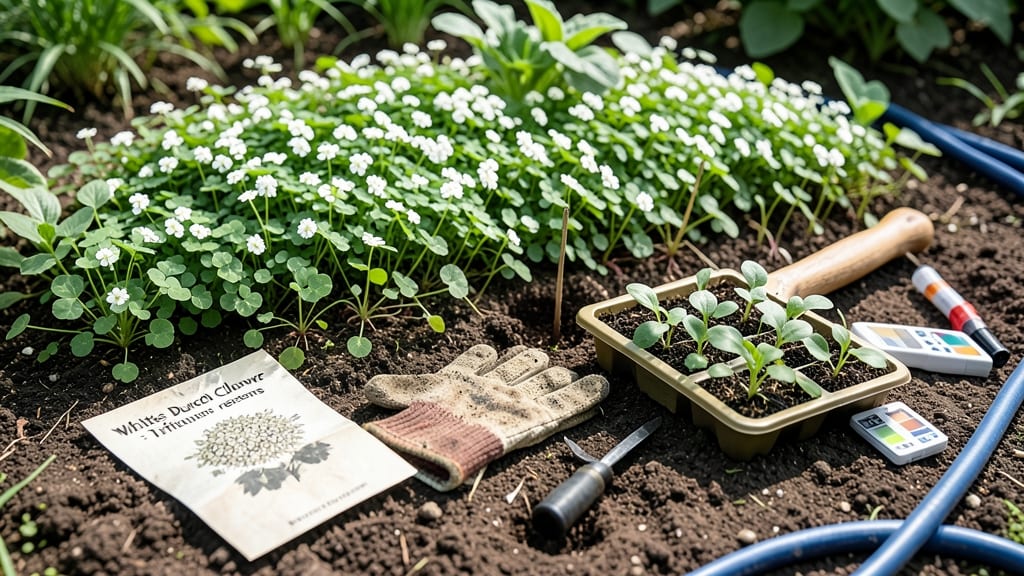
Timing your food plot planting in Texas isn't just about the calendar—it's about avoiding that heartbreaking frost-kill moment when your 🌱 hard work turns to ice.
Whether you're in the humid East or the arid Panhandle, getting the window right means the difference between a thriving deer magnet and a failed experiment.
I've seen firsthand how a 5-day delay can turn a lush clover plot into a crispy mess, especially when zero-frost survival is on the line. The key isn't just knowing when to plant—it's understanding how Texas' microclimates create wildly different deadlines from county to county.
Let me break down the exact windows you need to hit for success.
We'll cover everything from soil prep tricks to crop selection that actually thrives in your specific zone. No more guessing games—just data-backed deadlines that'll have your plots growing strong when the deer need them most. Ready to stop playing roulette with your planting calendar?
What you'll discover is how to work with Texas' unpredictable weather patterns rather than against them. Whether you're planting brassicas in the Hill Country or clover along the Gulf Coast, these strategies will help you extend your growing season and keep your food plots productive through summer and fall.
Texas food plot planting deadlines by county: frost-free zones explained
Texas' diverse climate means your food plot planting window can vary by hundreds of miles—from North Texas' late frosts to South Texas' near-zero frost risk. Understanding these regional differences is key to avoiding frost damage and maximizing deer attraction.
The Texas A&M AgriLife Extension tracks average last-frost dates, but microclimates (like Hill Country valleys) can shift deadlines by weeks.
For cool-season plots (like clover or brassicas), aim to plant 4-6 weeks before your county's first hard frost. Warm-season crops (e.g., sorghum or millet) need soil temps above 60°F—typically March-April in South Texas but May in the Panhandle.
Missing these windows can leave you with stunted growth or frost-killed seedlings.
Here’s how to find your county-specific deadline: Check the USDA Plant Hardiness Zone Map (Zone 7a in North Texas vs. Zone 9a in the Rio Grande Valley) and cross-reference with local extension office frost data.
For example, Dallas County averages its last frost March 15**, while Hidalgo County sees zero frost risk year-round.
Use this comparison table to align your planting with Texas’ frost-free zones. Bookmark the Texas Frost-Free Date Map (linked below) for real-time adjustments based on weather anomalies.
For zero-frost survival, prioritize fast-germinating seeds (like turnips or radishes) if planting near your county’s deadline. In North Texas, consider row covers to extend the season by 2-3 weeks.
Always test soil temperatures with a soil thermometer—warm-season crops need 60°F+, while cool-season crops thrive at 50-60°F.
Missed the deadline? Don’t panic. Late-season plantings of frost-tolerant crops (e.g., winter peas or brassicas) can still thrive if seeded 6-8 weeks before frost.
Use mulch to insulate soil and drip irrigation to maintain moisture during dry spells. Texas A&M’s "Food Plot Survival Guide" (linked below) offers county-specific adjustments for delayed plantings.
Remember: Deer activity peaks when food plots are 30-50% mature. Planting too early risks
Best food plot crops for Texas planting timing: zero-frost vs. frost-tolerant options
Choosing the right food plot crops for Texas means balancing frost sensitivity with your local planting window. Some crops thrive in warm-season plantings, while others handle cool-season freezes—critical for regions like the Panhandle or East Texas with unpredictable frost dates.
For zero-frost survival, prioritize crops like sorghum or sunflower, which germinate quickly and tolerate heat. In contrast, clover and brassicas (e.g., turnips) need earlier planting to establish roots before first frost arrives.
Here’s how to match crops to Texas’ planting zones and frost risks:
For late-season plantings, opt for fast-germinating seeds like sunflower or buckwheat, which can establish roots in 45–60 days—ideal for pushing deadlines in North Texas or the Hill Country.
If frost threatens, use row covers or soil warming to extend the growing season for cool-season crops like radishes or kale. These tactics buy 2–4 weeks of growth before hard freezes.
Pro tip: Check Texas A&M AgriLife frost maps for your county’s last-frost date—this dictates whether you can plant warm-season crops like sorghum or need to switch to frost-hardy brassicas.