
Plants
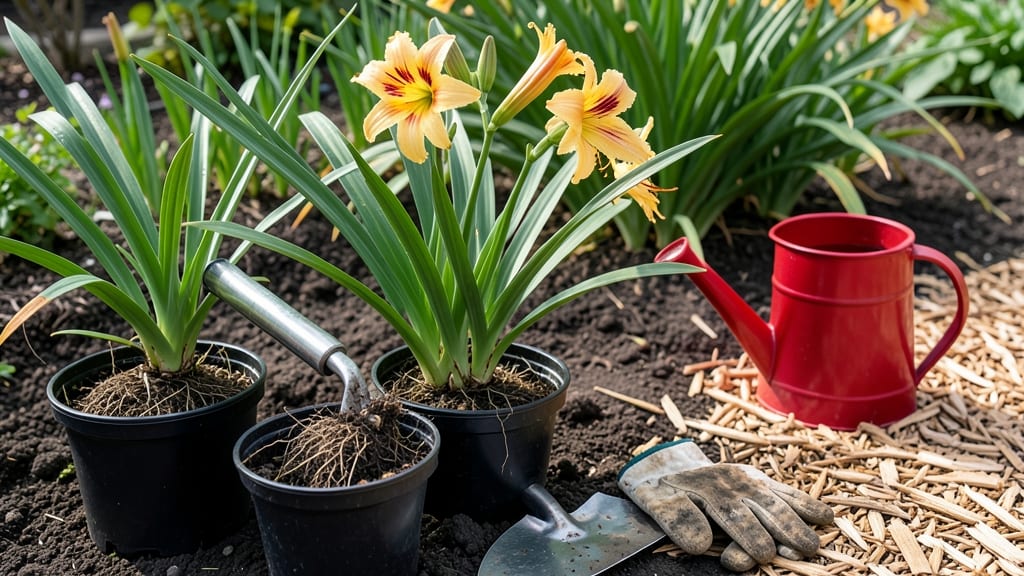
Planting your 🌸 daylilies in Texas at the wrong time could mean struggling with heat stress or frost damage before they even get a chance to bloom. The key to success lies in understanding your local microclimate—whether you're in frost-prone North Texas or the milder South Texas zones.
Fall planting, between September and November, gives daylilies the ideal head start to establish strong roots before summer’s scorching heat arrives. But if you prefer spring planting, aim for February to March—just after the last frost date in your area.
I’ve tested these timing strategies across Texas’ diverse regions, and the results speak for themselves: daylilies planted in these windows thrive with minimal stress and maximum blooms. Let’s break down exactly when and how to plant for your specific Texas zone.
Whether you’re a beginner or a seasoned gardener, mastering this timing ensures your daylilies will reward you with vibrant color year after year—without the guesswork.
Texas daylily planting calendar: month-by-month survival guide
Texas gardeners know timing is everything—especially when planting daylilies in our extreme heat and occasional freezes. The perfect window depends on your region, but generally, fall or early spring gives daylilies the best chance to establish strong roots before summer’s brutal sun.
Let’s break down the month-by-month survival guide tailored for North, Central, and South Texas.
Daylilies are hardy perennials that thrive in USDA Zones 8a-10b, but Texas’ microclimates create big differences in frost risk. For example, North Texas (Dallas/Fort Worth) can see frost as late as February 15, while South Texas (Houston/Corpus Christi) rarely dips below freezing.
This means your planting schedule should shift based on where you live.
🌱 Pro Tip: Always check your local frost dates—the Texas A&M AgriLife Extension offers free frost maps for your county. Aim to plant 6-8 weeks before your first frost for fall planting, or 4-6 weeks after your last frost in spring.
| Region | Best Planting Months | Soil Temp Threshold | Key Consideration |
|---|---|---|---|
| North Texas (Dallas/Fort Worth) | September-October (fall) or March (spring) | 50-65°F (10-18°C) | Avoid late spring planting—frost risk lingers until mid-February. |
| Central Texas (Austin/San Antonio) | September-November (fall) or February-March (spring) | 55-70°F (13-21°C) | Fall planting is ideal—soil stays warm longer for root growth. |
| South Texas (Houston/Corpus Christi) | August-September (fall) or February (spring) | 60-75°F (15-24°C) | Minimal frost risk—plant anytime except peak summer heat. |
| All Regions | Avoid April-May (spring) and July-August (summer) | N/A | Extreme heat stress or drought can kill young transplants. |
For fall planting, I recommend September or October because the soil stays warm long enough for roots to establish, but the air cools as winter approaches. This gives daylilies a head start before summer’s heat arrives.
In North Texas, I’ve seen daylilies planted in November still thrive, but they may need extra mulch protection if frost hits early.
If you prefer spring planting, wait until after your last frost date. In Central Texas, this is usually mid-February to March, while South Texas gardeners can plant as early as January.
The key is ensuring the soil temperature is consistently above 50°F (10°C)—cold soil can stunt root growth.
One mistake I see often is planting daylilies in late spring (April-May). The intense Texas sun and drought conditions can cause young plants to wilt within weeks.
If you must plant in summer, choose heat-tolerant varieties like ‘Stella de Oro’ and provide extra shade with mulch or row covers.
Another critical factor is soil preparation. Daylilies hate waterlogged soil, so amend your beds with compost or sand if your soil is clay-heavy. I like to add a 2-inch layer of mulch after planting to retain moisture and regulate soil temperature.
This is especially important in South Texas, where summer droughts can dry out soil quickly.
For container planting, the rules are slightly different. Containers heat up faster, so I recommend planting daylilies in containers in early spring (March) or late fall (November).
Use pots with drainage holes and a well-draining potting mix to prevent root rot. Move containers to shadier spots during peak summer heat if possible.
Remember, daylilies are perennials, so getting the timing right now means years of low-maintenance blooms. Whether you’re in freeze-prone North Texas or mild South Texas, sticking to these month-by-month guidelines will give your daylilies the best shot at thriving—no wilting in sight! 🌸
Texas daylily planting calendar: month-by-month survival guide
Texas gardeners know timing is everything—especially when planting daylilies. The perfect window for planting depends on your region's frost dates and soil temperatures.
In North Texas (Zones 7b-8a), aim for September through November or February through March, while Central Texas (Zones 8a-9a) can plant until December or start as early as January. South Texas (Zones 9a-10b) enjoys a longer season, with fall planting ideal until January.
Fall planting is my top recommendation because cooler soil temperatures reduce shock stress on roots. Daylilies establish roots quickly in 60-70°F soil, which Texas typically hits by mid-September.
Early spring planting works too, but avoid transplanting when frost warnings linger—daylilies can handle light frosts but despise soggy, cold soil.
🌱 Texas Daylily Planting Timeline
| Region | Best Planting Months | Soil Temp Threshold | Key Consideration |
|---|---|---|---|
| North Texas (Zones 7b-8a) | Sep-Nov, Feb-Mar | 60-70°F | Avoid late spring planting (frost risk) |
| Central Texas (Zones 8a-9a) | Sep-Dec, Jan-Mar | 65-75°F | January planting works if soil isn't waterlogged |
| South Texas (Zones 9a-10b) | Sep-Jan | 70-80°F | Plant year-round except during summer heatwaves |
For Austin gardeners, I recommend planting between September 15 and November 1 or February 15 and March 15. Dallas follows a similar schedule but can extend fall planting until December 15 thanks to its slightly milder winters.
Houston's longer frost-free season lets you plant until January 31 without worrying about cold snaps.
Pro tip: Use a soil thermometer to confirm temperatures before planting. Daylilies hate cold, wet soil, which can cause root rot. If your soil is below 50°F, wait 2-3 weeks or use black plastic mulch to warm it faster.
In containers, planting in late February gives roots time to establish before summer heat arrives.
Remember, daylilies are perennials that reward patience. Plants established in fall often bloom earlier the following year because they've had months to build roots. If you miss the ideal window, don't panic—just adjust your watering schedule and mulch depth to compensate for less-than-perfect timing.
Once planted, mulch heavily (3-4 inches) to protect roots from temperature swings. In North Texas, this means adding mulch by October 15 to shield from early winter frosts. For container growers, use heat-resistant pots and move them to partial shade during 100°F+ days to prevent stress.