
Companion Plants
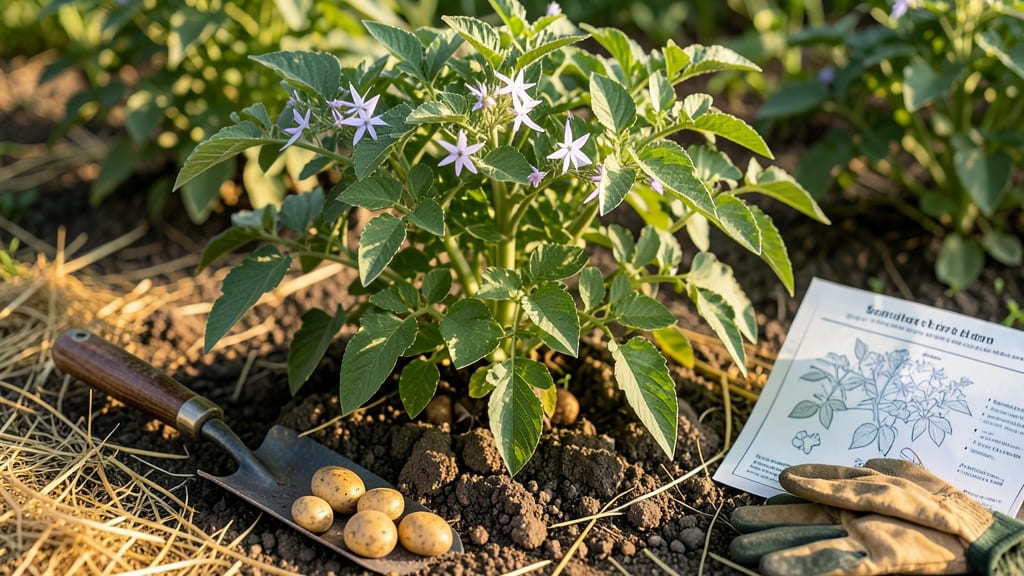
If you're asking "when can I plant potatoes in Texas", timing is everything—because one wrong move could mean a ruined crop or a missed harvest.
Texas gardeners face unique challenges: late frosts in North Texas or scorching heat in South Texas, both of which can sabotage your 🥔 harvest if you're not careful.
The good news? With the right schedule, you can grow potatoes year-round in Texas, whether you're in Zone 8a or Zone 11.
I’ve broken down the exact planting windows—from February to March in North Texas to September to October in South Texas—so you can avoid frost damage and maximize your yield.
But here’s the catch: soil temperature and variety choice matter just as much as dates. Some potatoes thrive in cooler spring soil, while others need the warmth of fall. I’ll show you how to pick the best types for your region and extend your growing season with simple tricks.
Ready to dig in? Let’s get you planting at the perfect time—so you can enjoy homegrown potatoes all year, no matter where you are in the Lone Star State.
Texas potato planting dates by region: avoid frost & maximize yield
Texas spans USDA Zones 8a-11, meaning potato planting windows vary dramatically from the Panhandle's cold snaps to South Texas' mild winters. In North Texas (Zones 8a-9a), the last frost typically hits around February 15, while South Texas (Zones 9b-11) rarely sees frost at all.
This regional divide means your planting strategy should adapt—don't use a one-size-fits-all approach!
For North Texas gardeners, the ideal planting window is February to early March, giving potatoes 90-120 days to mature before summer heat sets in. Meanwhile, South Texas gardeners can plant in September-October for a winter harvest, avoiding the brutal summer heat that stresses potato plants.
Even West Texas (El Paso/Midland) has a shorter window—plant by late February to avoid early summer's extreme heat.
Soil temperature is just as critical as air temperature. Potatoes won't sprout until soil reaches 45°F (7°C), but ideal germination occurs at 50-60°F (10-15°C). In North Texas, this usually aligns with late February, while South Texas soil stays warm year-round, allowing for more flexible timing.
Always check soil temp with a soil thermometer—don't guess!
| Region | Last Frost Date | Ideal Planting Window | Soil Temp for Planting | Harvest Window |
|---|---|---|---|---|
| North Texas (Dallas/Fort Worth) | Feb 15 | Feb 1 - Mar 15 | 50-60°F (10-15°C) | Apr 15 - May 15 |
| Central Texas (Austin/San Antonio) | Jan 31 | Jan 15 - Mar 1 | 50-60°F (10-15°C) | Mar 15 - Apr 30 |
| South Texas (Houston/Beaumont) | Jan 15 (rare) | Sep 1 - Oct 15 | 60-70°F (15-21°C) | Dec 1 - Jan 31 |
| West Texas (El Paso/Midland) | Feb 20 | Feb 1 - Feb 28 | 50-60°F (10-15°C) | Apr 1 - Apr 30 |
🌱 Pro Tip: Use row covers in North Texas to push planting back by 2-3 weeks if needed.
If you're in North Texas, aim to plant 4-6 weeks before your last frost date. This gives seedlings time to establish before temperatures rise. For example, if your last frost is March 1, plant by mid-February.
In South Texas, where frost is rare, focus on planting in September-October to avoid summer's 90°F+ soil temps, which can scorch tubers.
Texas soil can be tricky—clay-heavy soils in East Texas and sandy soils in West Texas both need amendments. Add compost or aged manure to improve drainage and fertility. Test your soil's pH (aim for 5.0-6.5)—potatoes hate alkaline soil.
If your soil is too acidic, mix in lime; if too alkaline, add sulfur or peat moss.
For container growing, use pots at least 12 inches deep and 18 inches wide. Plant in well-draining potting mix and place containers in full sun. In South Texas, containers let you move potatoes to shade during peak summer heat.
Just remember: containers dry out faster, so water every 2-3 days during hot spells.
Finally, mark your planting dates on a garden calendar and set reminders for harvest time. Potatoes are ready when foliage yellows and dies back, or when tubers are 2-3 inches wide.
How to extend your Texas potato growing season: tips for early & late plantings
Texas gardeners can push potato planting windows earlier or later using smart strategies. In North Texas, where frost risks linger until mid-February, cold-hardy varieties and soil warming techniques let you plant as early as January.
Meanwhile, in South Texas, where winters are mild, you can enjoy a fall harvest by planting in September or October for a winter crop.
For early planting, focus on cold-tolerant varieties like Yukon Gold or Red Pontiac. These can handle 40°F soil temperatures and even light frosts. Pair them with black plastic mulch or straw covers to warm the soil faster and protect young sprouts.
In South Texas, aim for September plantings to avoid summer’s brutal heat while still enjoying a harvest before the holidays.
🌱
🌱 5 Pro Tips to Extend Your Texas Potato Season
-
1. Chit Your Seed Potatoes
Sprout potatoes indoors 4-6 weeks before planting by placing them in a bright, cool spot. This gives you a 2-week head start on growth. -
2. Use Row Covers
Floating row covers protect young plants from late frosts (down to 25°F) and extend the harvest window by 3-4 weeks. -
3. Warm the Soil
Lay down black plastic mulch 2 weeks before planting to raise soil temps by 10-15°F, ideal for early North Texas plantings. -
4. Choose Heat-Tolerant Varieties
For South Texas, pick Sweet Potato or Red Lasoda—they thrive in 90°F+ heat and avoid bolting. -
5. Succession Plant Every 2 Weeks
Stagger plantings every 2 weeks from February to April in North Texas for a continuous harvest through June.
In North Texas, where summers are scorching, avoid planting after mid-April. Instead, opt for late summer plantings (August) with drip irrigation to keep soil moist during heatwaves. For South Texas, focus on fall plantings (September-October) to escape summer’s intensity and harvest before Christmas.
Another trick? Try container growing with 5-gallon buckets. Fill them with a mix of compost and coconut coir to retain moisture, then place pots in partial shade during peak summer. This method works year-round in Zone 10+ areas like Houston or Corpus Christi.
Finally, monitor soil temperatures with a soil thermometer. Potatoes thrive when soil stays between 50-70°F. If temps rise above 80°F, tubers may sprout or turn green—a sign of solanine poisoning. Mulch heavily with straw or grass clippings to regulate temps.
With these strategies, you can enjoy fresh potatoes year-round in Texas—whether it’s a spring harvest in North Texas or a winter crop in South Texas! 🥔