
Trees
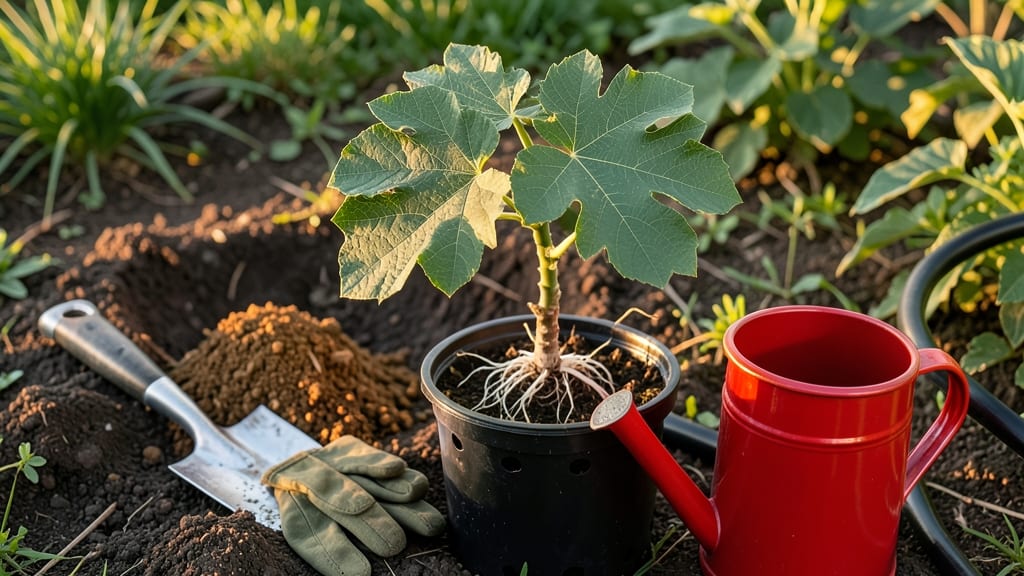
Planting fig trees in Georgia at the wrong time could mean the difference between a thriving 🍈 orchard and a sad, frost-nipped sapling.
Georgia’s mild winters and long growing season make it perfect for figs—but timing matters. Too early, and a late frost could wipe out your young tree. Too late, and it won’t establish strong roots before summer’s brutal heat.
I’ll break down the exact months (spring vs. fall) that work best for your specific zone, plus which chill-resistant varieties handle Georgia’s unpredictable weather like a champ.
Ready to plant with confidence? Let’s get your fig tree off to the right start—no guesswork, just science-backed timing.
Best months to plant fig trees in Georgia by climate Zone
Georgia’s diverse climate—from the cool Appalachian foothills to the humid coastal plains—means fig tree planting windows vary by zone. In North Georgia (Zone 7a), where frosts linger until mid-April, wait until late April or early May to plant.
Central Georgia (Zone 8a) offers a wider window: March 15–April 15 or September 15–October 15. South Georgia (Zone 8b/9a) can plant as early as February or as late as November, but aim for March–April for best root establishment.
Soil temperature is critical: roots need 60°F+ soil to grow. Use a soil thermometer—if it’s cooler, delay planting. In Zone 7a, late frosts can still hit, so protect young trees with frost cloth or plant near a south-facing wall for warmth.
In Zone 8b/9a, container planting extends your window—just move pots indoors if frost threatens.
Spring planting (March–April) gives figs 6–8 months to establish roots before winter. Fall planting (September–October) avoids summer heat stress but requires 6–8 weeks of warm soil for roots to settle.
In Zone 7a, fall planting is riskier due to early frosts, but ‘Celeste’ figs tolerate 15°F and can handle it.
| Zone | Best Planting Window | Soil Temp Requirement | Frost Risk | Pro Tip |
|---|---|---|---|---|
| Zone 7a (North GA) | Late April–Early May OR September 15–October 1 |
60°F+ | High (until mid-April) | Use frost cloth or plant near walls |
| Zone 8a (Central GA) | March 15–April 15 OR September 15–October 15 |
60°F+ | Moderate (occasional late frosts) | Mulch heavily for winter protection |
| Zone 8b/9a (South GA) | February–April OR September–November |
55°F+ (earlier) | Low (rare frosts) | Container planting extends season |
For container-grown figs, Georgia gardeners can plant anytime soil is workable—even winter in mild zones. Just ensure pots have drainage holes and use a lightweight potting mix to prevent root rot.
Move containers indoors if temperatures drop below 30°F. In-ground planting, however, is best timed to avoid summer heat stress or winter dormancy.
Watch for local microclimates: valleys and low spots freeze faster. Plant figs on slopes or hillsides to improve air circulation and reduce frost pockets. If you’re in Zone 7a and plant in fall, choose ‘Chicago Hardy’—it survives 0°F with proper mulching.
In Zone 8b/9a, ‘Desert King’ thrives year-round with minimal protection.
Avoid planting in July or August—the intense heat can shock young roots. Instead, opt for early spring or late fall when temperatures are mild. If you miss the ideal window, bare-root figs can be planted in winter (December–February) in Zone 9a, as long as soil isn’t frozen.
Just soak roots in water for 1–2 hours before planting to reduce transplant shock.
Georgia’s humidity also plays a role: figs planted in summer may struggle with powdery mildew if not spaced properly. Aim for 15–20 feet apart for in-ground trees to ensure airflow. In containers, space plants 3–5 feet apart and prune regularly to maintain shape and reduce disease risk.
Pro tip: Test your soil’s pH before planting—figs prefer 6.0–7.0. If your soil is clay-heavy (common in Georgia), amend with compost or sand to improve drainage. Poor drainage leads to root rot, which can kill fig trees within weeks.
Always plant in a slightly raised bed or mound if your yard has compacted soil.
Finally, mulch heavily after planting to retain moisture and regulate soil temperature. Use 3–4 inches of wood chips or straw, keeping it 6 inches away from the trunk to prevent rot. Replenish mulch annually—this simple step can double your fig tree’s survival rate in Georgia’s unpredictable climate.
Best months to plant fig trees in Georgia by climate Zone
Georgia’s three distinct climate zones—North (Zone 7a), Central (Zone 8a), and South (Zone 8b/9a)—each demand slightly different planting windows for fig trees. The last average frost date in Georgia is March 15, but colder microclimates in North Georgia may experience late frosts into April.
Timing your plantings to align with soil warmth and frost risk is critical for survival.
For North Georgia (Zone 7a), the safest window is late April to early May, allowing roots to establish before summer heat. In Central Georgia (Zone 8a), you can plant as early as mid-March or extend into early April.
Meanwhile, South Georgia (Zone 8b/9a) gardeners enjoy a longer window from February to early April or even fall planting in October.
Fall planting is a smart strategy for Georgia’s Zone 8a and 9a regions, as cooler temperatures reduce transplant shock. Young fig trees benefit from 60-70°F soil temperatures for root growth, which aligns with September-October in most of the state. However, avoid planting too close to the first frost (November 15), giving roots 6-8 weeks to establish.
| Zone | Best Planting Window | Soil Temp Requirement | Frost Risk |
|---|---|---|---|
| North Georgia (7a) | Late April - Early May | 60-70°F | High (late frosts) |
| Central Georgia (8a) | Mid-March - Early April | 60-70°F | Moderate (occasional late frosts) |
| South Georgia (8b/9a) | February - Early April OR September - October | 60-70°F | Low (minimal frost risk) |
If you’re planting in containers, adjust your timing slightly—potted fig trees can tolerate earlier spring plantings (February) since you can move them indoors if frost threatens. However, ensure containers have drainage holes to prevent root rot, a common issue in Georgia’s clay-heavy soils.
For in-ground plantings, amend soil with compost or sand to improve drainage.
Pro tip: Use a soil thermometer to confirm soil temperatures before planting. Aim for consistent warmth above 60°F for 7-10 days to ensure root growth isn’t stunted.
In North Georgia, this often means waiting until after Mother’s Day to plant outdoors. For container growers, extend your season by 2-3 weeks with protective covers.
Remember, fig trees are fast growers once established—planting at the right time means you’ll see 3-5 feet of growth in the first year and fruit production as early as Year 2. Don’t rush the process; patience now means years of sweet rewards! 🌱