
Plants
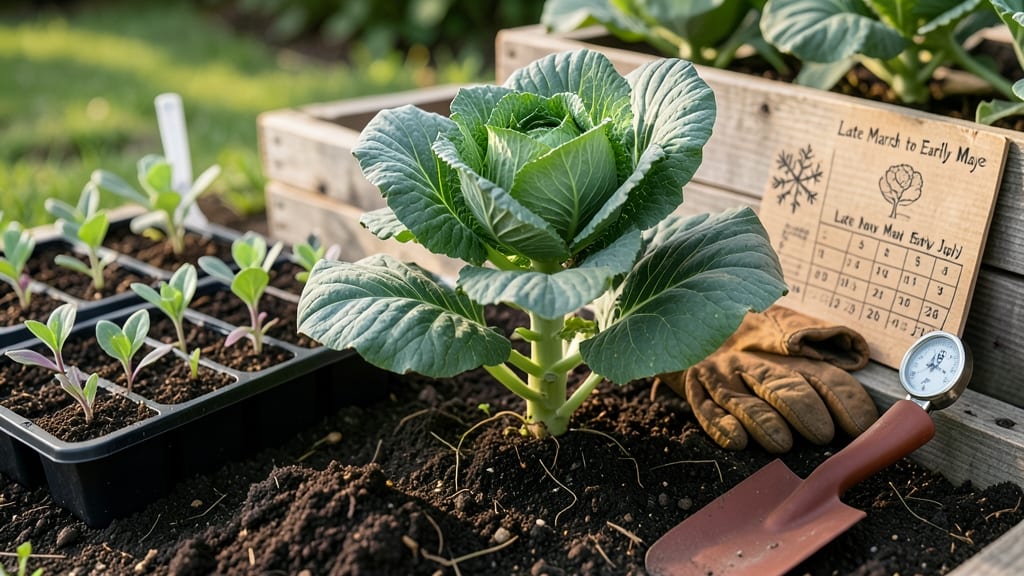
Timing your 🥬 cabbage planting in Michigan isn’t just about following a calendar—it’s about outsmarting those unpredictable frost dates that can turn your hard work into a sad, bolted mess.
Whether you're a seasoned gardener or just starting with your first 🥬 cabbage patch, getting those seeds in the ground at the right moment means the difference between a heady harvest and a disappointing flop.
Michigan’s 5b-6b climate gives you two prime windows to plant: spring and fall, each with its own sweet spot for success. Too early, and frost will nip your seedlings in the bud; too late, and your cabbage might bolt before you get a chance to enjoy it.
I’ll break down exactly when to plant—from mid-April to late June for spring, and late July to early August for fall—to make sure your 🥬 cabbage thrives no matter where you are in the state.
But here’s the kicker: even if you nail the timing, Michigan’s microclimates can throw a wrench in your plans. The Upper Peninsula and Lower Peninsula don’t always play by the same rules, and soil temperature can make or break your 🥬 cabbage’s growth.
I’ll show you how to adjust for your specific corner of Michigan, so you’re not left guessing whether your plants will survive the next frost.
Ready to grow 🥬 cabbage like a pro? Let’s dive into the exact months, cold-hardy varieties, and pro tips to extend your growing season—so you can enjoy fresh, homegrown cabbage from late summer all the way through winter.
Michigan cabbage planting calendar: exact months for spring and fall success
Michigan’s frost dates can swing wildly from year to year, but with the right timing, you can grow cabbage successfully in both spring and fall. The key is planting when soil temperatures hit 45°F (7°C) and avoiding late-season heat that triggers bolting.
In most of Michigan’s USDA Zones 5b-6b, this means two distinct planting windows: early spring and midsummer for fall harvests.
For spring planting, aim to get seeds in the ground 4-6 weeks before your last frost date. In southern Michigan, this typically means mid-April to early May, while northern regions like the Upper Peninsula should wait until late April to early June.
Fall planting requires even more precision—start seeds indoors in late July for transplanting by early August, giving heads time to mature before frost.
Here’s how Michigan’s regional microclimates affect planting:
| Region | Spring Planting Window | Fall Planting Window | Soil Temp Requirement |
|---|---|---|---|
| Southern Michigan (Detroit, Ann Arbor) | Mid-April to early May | Late July to early August | 45°F (7°C) minimum |
| Central Michigan (Lansing, Grand Rapids) | Late April to early June | Early August to mid-August | 45°F (7°C) minimum |
| Northern Michigan (Traverse City, Upper Peninsula) | Late May to early June | Mid-August to early September | 50°F (10°C) minimum |
Always check your local frost-free date—Michigan’s average last frost ranges from April 15 in southern regions to May 15 in the north. For fall, count back 75-100 days from your first frost (typically mid-October) to determine your ideal transplant date.
Overestimating can lead to bolting, while underestimating risks frost damage before harvest.
Pro tip: Use row covers or low tunnels to extend your fall season by 2-4 weeks. These tools create a microclimate that protects tender cabbage heads from early frosts, letting you harvest well into November in milder Michigan zones.
For succession planting, stagger your spring sowings every 2 weeks to ensure a continuous harvest. This works especially well for fast-maturing varieties like ‘Tendercrisp,’ which can go from seed to harvest in just 60 days.
Pair this with fall planting for a year-round cabbage supply—just be sure to harvest before hard frosts hit.
If you’re new to Michigan gardening, start with transplants instead of seeds—they’re easier to time and give you a head start. Nurseries often carry cabbage starts by early May, so you can pop them in the ground as soon as soil is workable.
Just avoid planting when daytime temps exceed 80°F (27°C), as this stresses young plants and encourages pests like cabbage maggots.
Remember: Soil temperature matters more than air temperature. Use a soil thermometer to confirm your garden bed is ready—cabbage roots won’t thrive below 45°F (7°C). If your soil is still cold, wait a few more days or use black plastic mulch to warm it faster.
For container gardening, stick to compact varieties like ‘Miniature Peanut’ and plant in 5-gallon pots with well-draining soil. Containers warm up faster than garden beds, so you can plant 1-2 weeks earlier than in-ground cabbage.
Just ensure pots get full sun and water consistently—containers dry out quickly in Michigan’s summer heat.
Finally, keep an eye on your local weather forecasts in late summer. If a heatwave is predicted, delay your fall planting until temps drop below 85°F (29°C). Cabbage thrives in cool weather, and even a few days of extreme heat can send your plants bolting prematurely.
Best cold-hardy cabbage varieties for Michigan’s short growing season
Michigan’s short growing season demands cold-hardy cabbage varieties that thrive in USDA Zones 5b-6b. Choosing the right type ensures you avoid bolting (premature flowering) and maximize your harvest before frost. For my Michigan garden, I’ve found five standout varieties that consistently deliver—each with unique strengths for our climate.
First, let’s talk about ‘January King’, a late-maturing variety that’s perfect for fall planting. It can handle Michigan’s early frosts and even tastes sweeter after a light frost.
Then there’s ‘Golden Acre’, a compact, fast-maturing option ideal for spring plantings when space is limited. These varieties are my go-tos for reliable results.
Here’s a quick comparison of the top cold-hardy cabbage varieties suited for Michigan, including their maturity timelines and pest resistance:
| Variety | Maturity Days | Best Planting Time | Pest Resistance | Frost Tolerance |
|---|---|---|---|---|
| January King | 100-120 days | Late July-August (fall) | Moderate (watch for maggots) | High (survives light frost) |
| Golden Acre | 60-70 days | Mid-April to early June (spring) | Good (resists flea beetles) | Moderate (needs protection if late) |
| Tendercrisp | 70-80 days | Late May-June (spring) or July (fall) | High (disease-resistant) | Moderate (best with row covers) |
| Early Jersey Wakefield | 55-65 days | Early April (spring only) | Moderate (susceptible to cabbage worms) | Low (plant early for harvest) |
| Red Express | 65-75 days | Late May-June (spring) or July (fall) | Good (color deters pests) | Moderate (needs consistent care) |
For spring plantings, I recommend ‘Golden Acre’ or ‘Early Jersey Wakefield’—they mature quickly enough to avoid Michigan’s unpredictable late-spring frosts. If you’re planting for a fall harvest, ‘January King’ is my top pick because it can withstand cooler temperatures and even improves in flavor after frost.
Just be sure to use row covers if temperatures dip below 20°F (-6°C).
One challenge in Michigan is cabbage maggots and flea beetles, which love our cool, moist springs. To combat these pests, I rotate my planting locations yearly and interplant with onions or thyme.
These companion plants naturally repel pests while adding flavor to your garden. Another trick? Use diatomaceous earth around the base of plants for extra protection.
Don’t overlook ‘Tendercrisp’ if you’re short on space—it’s a compact variety that’s perfect for containers or small gardens. Its disease resistance makes it a low-maintenance choice, and it matures just in time for late-summer harvests.
For a splash of color, ‘Red Express’ adds visual appeal while offering the same cold tolerance as its green counterparts.
Pro tip: Always harden off seedlings before transplanting, especially if you’re starting them indoors. This 10-day process of gradually exposing them to outdoor conditions prevents shock and sets them up for success in Michigan’s variable weather.
With the right variety and a little extra care, you’ll enjoy a bountiful cabbage harvest—even in our short growing season! 🥬