
Plants
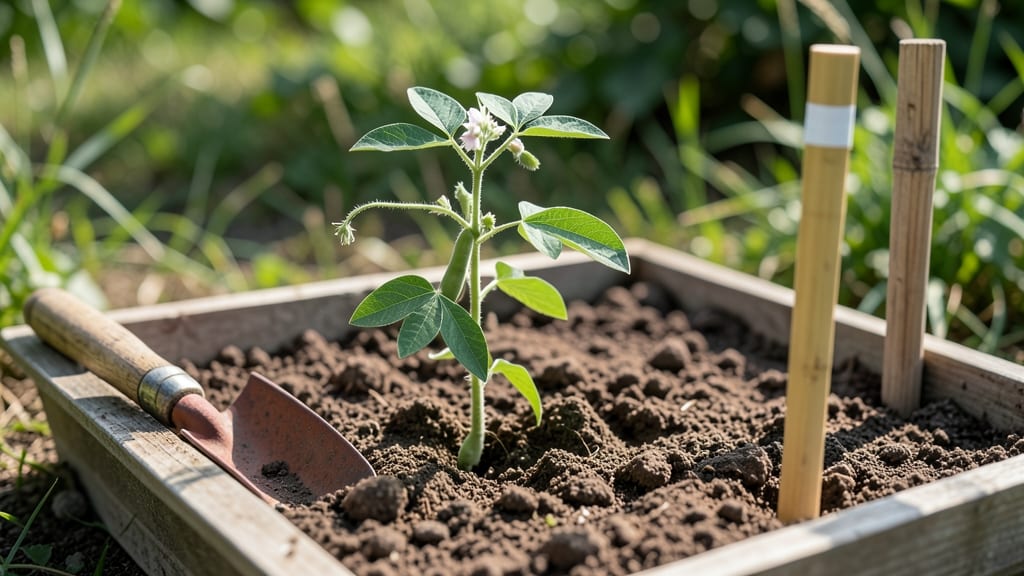
If you’ve ever wondered when to plant fava beans in Zone 8, timing is the secret to a bountiful harvest—because these cool-weather lovers 🌱 hate the heat.
Plant too late, and summer’s scorching temperatures will stunt their growth; too early, and frost can wipe out your crop before it even starts.
Here’s the good news: Zone 8 gardeners actually have two prime windows to sow fava beans—fall and late winter—each offering its own advantages. Whether you’re aiming for a spring harvest or a late-fall crop, the key is avoiding the dog days of summer when temperatures climb above 75°F.
In this guide, I’ll break down the exact months to plant, how to adjust for your local microclimate (coastal vs. inland), and simple tricks to protect your crop from unexpected frost.
By the end, you’ll know exactly when to pop those seeds in the ground for the most flavorful, protein-packed beans your garden has ever seen.
Ready to master the art of fava bean timing? Let’s dive into the best planting schedule for your Zone 8 garden—so you can enjoy fresh pods from spring through fall.
Optimal planting months for fava beans in Zone 8: avoiding heat and frost pitfalls
Fava beans love cool weather, but Zone 8’s mild winters and hot summers demand precise timing. Plant too early, and frost zaps your seedlings; too late, and summer heat stunts growth. The sweet spot? Fall or late winter—when soil temps dip but frost hasn’t arrived.
Zone 8’s last frost date typically lands around February 15, while the first frost arrives near November 15. This leaves a 240-day frost-free window, but fava beans thrive best when daytime temps stay between 60-75°F. Outside this range, growth slows or stops.
For a spring harvest, aim to plant in late February to early March—just as soil warms but before summer heat peaks. For a fall harvest, September to early October is ideal, letting plants mature before cooler temps set in.
Microclimates matter! Coastal areas in Zone 8 (like San Diego) stay milder year-round, while inland spots (like Phoenix) face sharper temperature swings. Adjust planting by 2-4 weeks based on your local frost data.
Soil temperature is critical. Fava beans germinate best in soil between 45-75°F. Use a soil thermometer to check—if temps drop below 40°F, wait a week or two. Cold soil delays germination and invites rot.
Here’s the breakdown of your planting windows, soil needs, and what to avoid:
Pro tip: In Zone 8’s inland areas, where summer heat hits 90°F+, avoid planting after April 15. Instead, focus on fall planting for a cooler-season crop. Coastal gardeners can stretch spring planting into late March thanks to milder air.
Watch for soil moisture during germination. Dry soil in spring or fall can delay sprouting. Water lightly but consistently until seedlings emerge—about 1 inch of water per week. Once established, fava beans are drought-tolerant but produce better with steady moisture.
If you’re new to fava beans, start with 2-3 plants in a sunny spot to test your timing. They’re nitrogen-fixing, meaning they enrich soil naturally—so even if yields are small, your garden benefits. Just remember: cool soil + mild temps = happy fava beans.
For coastal Zone 8 gardeners, September 15 is your ideal fall planting date. Inland? Shoot for October 1 to avoid early frosts. And always check your local frost-free date calculator—a few degrees can make or break your harvest.
Optimal planting months for fava beans in Zone 8: avoiding heat and frost pitfalls
Fava beans love cool weather, but Zone 8’s mild winters and hot summers demand precise timing. Plant too early, and a late frost can wipe out seedlings. Too late, and summer heat stresses the plants before they mature.
The sweet spot? Late winter to early spring (February–March) or fall (September–October) when soil temps hover between 50–65°F—ideal for germination.
Zone 8’s last frost date typically falls around February 15, while the first frost arrives by November 15. This gives you two prime planting windows: fall (September–October) for a winter harvest or early spring (February–March) for a spring crop.
Coastal areas may enjoy slightly longer growing seasons, while inland zones face earlier frosts.
| Planting Window | Soil Temp | Frost Risk | Harvest Time |
|---|---|---|---|
| Fall (Sept–Oct) | 50–65°F | Low (before frost) | Nov–Dec |
| Early Spring (Feb–Mar) | 55–70°F | None (post-frost) | April–June |
For fall planting, aim for 6–8 weeks before your first frost—this ensures pods mature before cold snaps. In Zone 8’s coastal regions, you might squeeze in a late November harvest, while inland areas should finish by October.
Test soil temps with a thermometer; seeds won’t sprout below 50°F.
Spring planting requires patience. Wait until soil warms to 55°F (usually late February–March) to avoid soggy, slow germination. Direct-sow seeds 1–2 inches deep, 2–3 inches apart, and thin seedlings to 6 inches apart once they’re 2 inches tall. Mulch with straw to retain moisture and regulate soil temps.
Heat is the bigger enemy in Zone 8. Temperatures above 80°F stunt growth, so avoid planting after April unless you’re using shade cloth or heat-tolerant varieties. Succession plant every 2–3 weeks in fall for a prolonged harvest, but stop by October 1st to ensure maturity before frost.
Pro tip: Use a planting calendar tailored to your Zone 8 subregion (e.g., San Diego vs. Phoenix). Local agricultural extensions offer frost date maps—your best guide for nailing the timing. With the right window, you’ll enjoy protein-packed pods from late fall to early summer! 🌱