
Plants
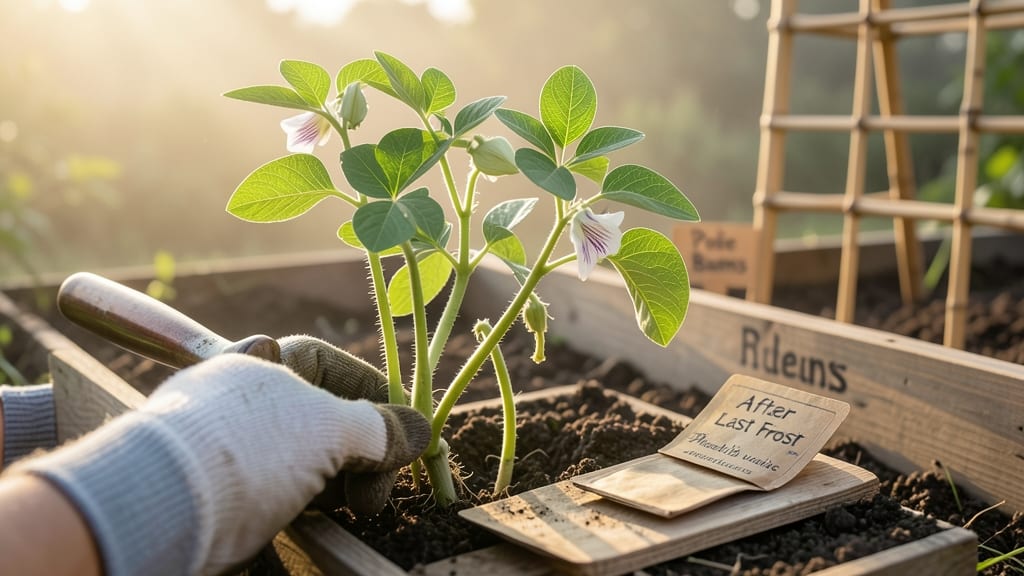
Planting beans in Zone 5 at the wrong time can turn your summer garden dreams into a sad, shriveled mess—especially when a late frost sneaks in and wipes out your hard work.
The key to success lies in understanding your microclimate and soil conditions, because even within Zone 5, planting windows can shift by weeks depending on where you live.
Most gardeners in Zone 5 know the general rule: wait until after the last frost, which typically lands around May 10 in most areas. But what you might not realize is that soil temperature plays a bigger role than just the calendar date.
Beans need warm soil—at least 60°F—to germinate properly, and cooler northern sub-zones may need to wait until early June for reliable results.
In this guide, I’ll break down the exact planting dates for bush beans, pole beans, and heirloom varieties, so you can avoid common mistakes like planting too early or crowding your seeds.
Whether you’re a beginner or a seasoned gardener, these tips will help you time your plantings perfectly for a harvest from July to September.
Ready to grow beans that thrive? Let’s dive into the best strategies for your Zone 5 garden, including how to adjust for local conditions and extend your growing season for even more yields.
Optimal planting dates for beans in Zone 5 by variety type
In Zone 5, timing your bean planting correctly ensures healthy germination and a productive harvest. Most varieties thrive when soil temperatures reach 55°F+, typically 2–4 weeks after your last frost date (usually around May 10 in most of Zone 5).
However, the exact window depends on whether you're growing bush beans, pole beans, or heirloom varieties—each has slightly different needs.
For bush beans, which mature faster (50–60 days), aim to plant between April 20 and May 15 in southern Zone 5 (e.g., northern Indiana, central Illinois). In northern Zone 5 (e.g., southern Michigan, upstate New York), wait until May 10–25 to avoid frost damage.
These compact plants benefit from early starts but can’t tolerate cold soil.
Pole beans, which take 60–75 days to harvest, are more forgiving. You can plant them as late as June 1 in Zone 5’s northern regions, thanks to their longer vines that climb trellises. Their extended growing season lets them recover from late springs. For heirloom varieties, like Kentucky Wonder or Rattlesnake beans, follow pole bean timing but plant 1–2 weeks earlier—they’re slower to mature.
Here’s a quick reference for your planting schedule, tailored to Zone 5’s microclimates:
| Variety Type | Southern Zone 5 (e.g., IN, IL) | Northern Zone 5 (e.g., MI, NY) | Key Notes |
|---|---|---|---|
| Bush Beans | April 20–May 15 | May 10–25 | Fast-maturing; plant after soil warms to 60°F. |
| Pole Beans | April 25–June 1 | May 15–June 15 | Longer season; use trellises for support. |
| Heirloom Beans | April 15–May 10 | May 1–15 | Slower growth; prioritize early planting. |
If you’re unsure about your last frost date, use a soil thermometer to confirm 60°F soil temps at a 4-inch depth. Cold soil delays germination and invites rot. For extra insurance, soak seeds overnight in lukewarm water before planting—this speeds up sprouting by 2–3 days.
Zone 5’s short growing season (only 165 frost-free days) means you can also try a late summer planting (around July 15) for a fall harvest. Use fast-maturing varieties like Blue Lake or Contender to ensure pods ripen before the first frost (October 1).
Just be prepared to harvest aggressively once pods appear.
Pro tip: Stagger your plantings every 10–14 days for a continuous harvest. This works especially well for pole beans, which produce over a longer period.
For example, plant a row on May 1, another on May 15, and a final one on May 30—this ensures fresh pods from July through September.
Always choose a sunny spot with 6+ hours of direct light and well-draining soil (beans hate soggy roots). Amend clay-heavy soil with compost or aged manure to improve drainage and fertility. Avoid fresh manure, which can burn tender roots.
🌱
How microclimates in Zone 5 shift bean planting timing
Zone 5’s diverse landscapes—from urban heat islands to wind-swept ridges—can shift your bean planting window by 2–4 weeks. What works in a sheltered valley may fail on a cold north-facing slope. Understanding these microclimates helps you extend your harvest or avoid frost damage entirely.
Urban areas with concrete and asphalt often warm up faster in spring, letting you plant beans 1–2 weeks earlier than rural areas. Meanwhile, high-elevation spots or open fields may need a delayed start to avoid late frosts.
Here’s how to adapt your planting schedule based on local conditions:
⚠️ Warning: Late Frosts Can Wreck Your Crop
Even in Zone 5, unpredictable late frosts (after May 15) can kill young bean seedlings. Use row covers or cold frames to protect early plantings in exposed areas. Monitor your local frost-free date—it’s not always May 10!
For pole beans, which take longer to mature, prioritize south-facing slopes or sunny garden beds. These spots stay warmer longer, giving vines extra time to climb and produce. If your yard is shady, opt for bush varieties like 'Blue Lake'—they mature faster and tolerate cooler soils.
Staggered planting is another smart tactic. Sow half your seeds 1–2 weeks apart to ensure a continuous harvest. This works especially well for heirloom varieties, which often have longer growing seasons.
For example, plant 'Kentucky Wonder' pole beans in early May and follow up with 'Roma' bush beans in late May.
Don’t forget about wind exposure. Beans need 6–8 hours of sun daily, but strong winds can stress young plants. Use windbreaks (like cornstalks or tall sunflowers) to shield your rows, especially in open fields. In containers, place pots near a south-facing wall to maximize warmth.
Pro tip: Test your soil’s warmth before planting. Stick a soil thermometer 2 inches deep—beans need 60°F+ soil to germinate. If it’s cooler, wait or use a black plastic mulch to speed up warming.