
Plants
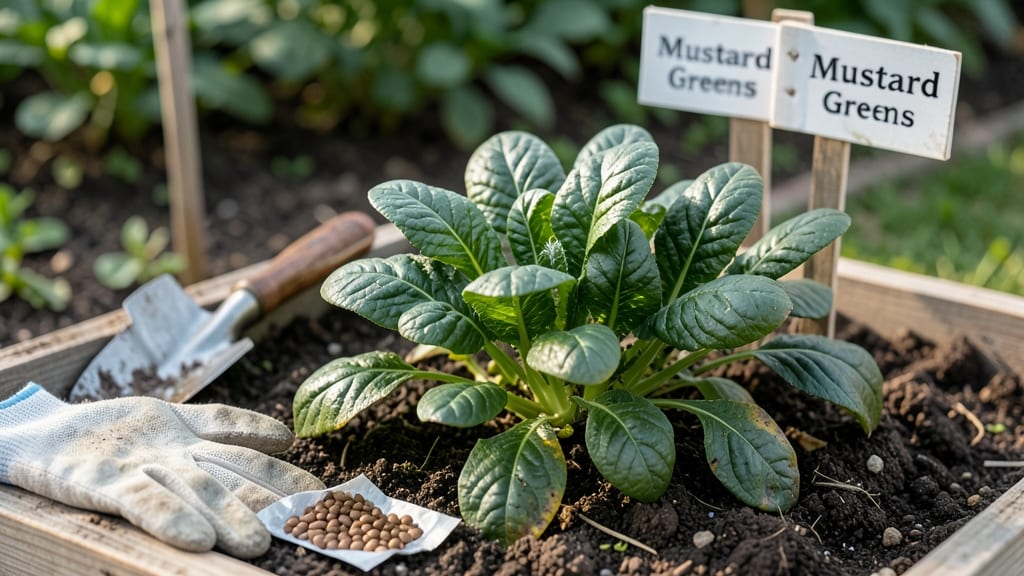
Planting mustard greens in Louisiana at the wrong time means watching your 🌱 crop bolt into bitter flowers instead of tender leaves—unless you follow the local pro’s schedule.
The key to fast, flavorful harvests lies in timing your seeds for Louisiana’s unique climate, where warm winters and long growing seasons demand precision.
Most gardeners in zones 8a-9b know the secret: mustard greens thrive when planted in September-October for fall harvests or February-March for spring, but even these windows require adjustments based on your microclimate. Coastal areas can push planting slightly later, while inland spots need earlier starts to beat the heat.
What sets Louisiana apart is the ability to extend harvests through succession planting, a technique that lets you stagger crops every 2-3 weeks for a steady supply. This isn’t just theory—it’s how local farmers avoid the dreaded “heat stress” that turns mustard greens into sad, stringy messes.
In this guide, I’ll break down the exact months to plant, soil prep tricks to keep your greens happy, and how to outsmart Louisiana’s unpredictable weather. Ready to grow mustard greens that outperform the grocery store? Let’s get started.
Best planting months for mustard greens in Louisiana’s climate zones
Mustard greens thrive in Louisiana’s cool-season climate, but timing is everything. The ideal window spans from late summer to early spring, avoiding the brutal heat that causes bolting.
In USDA Zones 8a-9b, your best bets are September through October for fall harvests and February through March for spring. This schedule lets you enjoy fresh greens before temperatures climb past 85°F, which triggers premature flowering.
Louisiana’s microclimates add complexity—coastal areas (like New Orleans) have milder winters, while inland regions (like Shreveport) face earlier frosts. Always check your last frost date: January 15 in Zone 8a and January 25 in Zone 9b.
Planting 4-6 weeks before frost ensures a full harvest before cold sets in. For example, September 15 is perfect for a November harvest in most areas.
Here’s the golden rule: Never plant mustard greens in Louisiana’s peak summer months (June–August). The heat forces them to bolt (flower) in as little as 3 weeks, ruining your crop.
Instead, focus on fall and spring when temperatures stay below 75°F during the day. Even a 10°F dip at night helps prevent bolting and improves flavor.
🌱
For succession planting, sow new seeds every 2 weeks from September through November. This ensures a continuous harvest until frost. For example, if you plant September 1, follow up with September 15 and October 1 for staggered maturity.
In spring, limit succession to February only—any later, and you’ll risk bolting before harvest.
Louisiana’s humid climate demands extra care during planting. Always work with well-draining soil (aim for pH 6.0–6.8) and add compost to improve fertility.
If your soil is heavy clay (common in Baton Rouge), amend with sand or peat moss to prevent waterlogging. Raised beds are ideal for inland areas with poor drainage.
Pro tip: Direct-sow seeds instead of transplanting. Mustard greens have delicate roots that don’t handle transplant shock well. Scatter seeds ½ inch deep and 1 inch apart, then thin to 6 inches once seedlings emerge.
This method gives you 30–50% more yield than transplants, which is critical for Louisiana’s short growing season.
🌿
If you’re in a coastal zone (like Lafayette or Grand Isle), you can push planting slightly later—October 15 for a December harvest. The Gulf’s moderating influence delays frost, but watch for salt spray near the coast, which can stress young plants.
Always rinse seedlings with fresh water after storms to remove salt buildup.
Finally, mark your calendar for April 15, the unofficial "last call" for spring planting. After this date, even heat-tolerant varieties will bolt quickly. Instead, shift focus to shade-tolerant greens like collards or kale, which handle Louisiana’s summer heat better than mustard greens.
Best planting months for mustard greens in Louisiana’s climate zones
Mustard greens thrive in Louisiana’s cooler months, but the wrong timing can turn your garden into a heat-stressed disaster. The key is planting when temperatures stay below 80°F—any hotter, and your greens will bolt (flower) prematurely.
For Louisiana’s USDA Zones 8a–9b, this means focusing on fall and early spring windows.
In most of Louisiana, the ideal planting window is September to October for a fall harvest, followed by February to March for spring. These months give your greens 4–6 weeks of cool weather before Louisiana’s brutal summer heat arrives.
Coastal areas (like New Orleans) can extend fall planting into early November, while inland regions (like Shreveport) should plant by mid-October.
Timing is everything—plant too early in spring (after March 15), and your greens will bolt by May. Plant too late in fall (after November 15), and frost may hit before harvest.
The sweet spot is 6–8 weeks before your area’s first frost (typically December 1–10 in most of Louisiana).
| Planting Window | Climate Zone | Key Considerations | Harvest Time |
|---|---|---|---|
| September 1–15 | 8a–9b (Statewide) | Best for fall harvest; avoid bolting | October–November |
| September 16–30 | Coastal (9a) | Extend to early November; watch for humidity | November–December |
| February 1–15 | 8a–9b (Statewide) | Spring planting; harvest before heat spikes | March–April |
| March 1–15 | Inland (8a) | Risk of bolting; use shade cloth | April (limited harvest) |
For succession planting, sow new seeds every 2–3 weeks from September through November to stretch your harvest. This works especially well in Louisiana’s humid climate, where continuous moisture keeps greens crisp. Just be sure to space seeds 1 inch apart and thin to 6 inches when seedlings emerge.
If you’re in Zone 9b (southern Louisiana), you can even try a winter crop in December—just use row covers to protect from light frosts. The goal is to harvest before temperatures rise above 75°F, so plan accordingly.
For example, a September 15 planting in Lafayette should yield by November 1, while a February 1 planting in Baton Rouge will bolt by April 15 if unprotected.
Pro tip: Use a soil thermometer to monitor ground temps—mustard greens prefer 60–75°F soil. If temps creep above 80°F, switch to shade-tolerant varieties or delay planting until fall. With the right timing, you’ll enjoy crisp, peppery greens all winter long—no wilted disappointment in sight! 🌱