
Plants
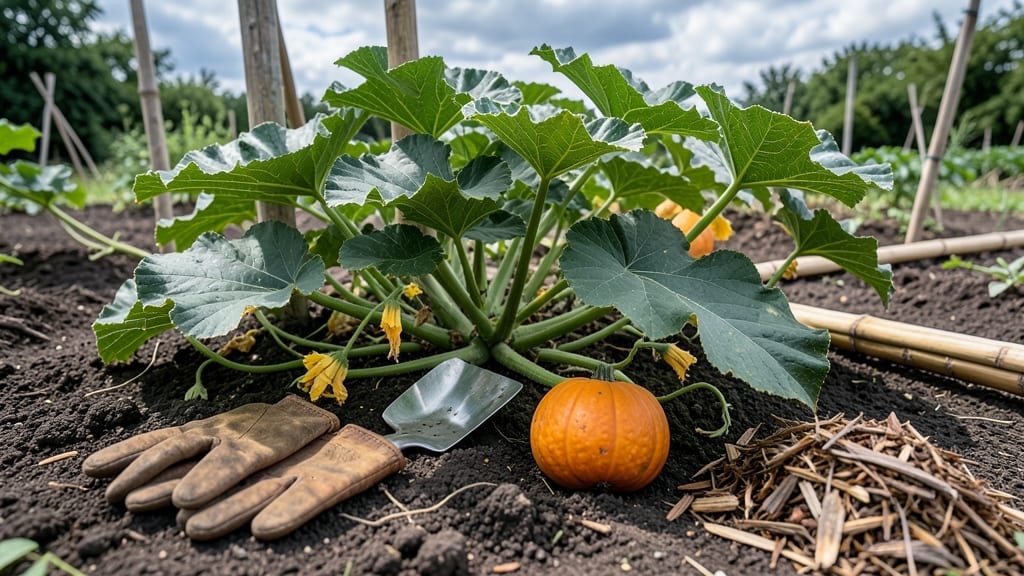
Timing your pumpkin planting in Utah can feel like solving a puzzle—get it wrong, and your 🎃 dreams might wither before harvest. The key isn’t just waiting for spring; it’s accounting for Utah’s dramatic elevation shifts, where USDA zones 5-8 can mean wildly different frost-free windows.
Most gardeners in Utah’s low deserts (like St. George) can start pumpkin seeds as early as mid-March, while high-mountain areas (like Park City) may need to wait until late May to avoid late frosts.
The goal? Plant when soil hits 60°F and you’ve got 90 days of growing season left.
But here’s the game-changer: Utah’s altitude zones throw a wrench into one-size-fits-all advice. A pumpkin variety that thrives in zone 7 Salt Lake City might flop in zone 5 Cache Valley if planted too early.
I’ll break down exactly when to plant for your specific elevation—and how to adjust for early or late harvests.
Ready to turn your Utah garden into a pumpkin powerhouse? Let’s dive into the altitude-specific planting chart that’ll have you harvesting 🎃 by October, no matter where you live in the Beehive State.
Utah pumpkin planting dates by altitude zone (with 90-Day harvest timing)
Utah’s three distinct altitude zones create wildly different growing conditions for pumpkins. Low desert areas like St. George have 180 frost-free days, while high mountain valleys near Park City only get 120 days.
To ensure your 90-day pumpkin varieties mature before frost, timing is everything—and your elevation dictates your schedule.
Most Utah gardeners focus on mid-April to mid-May planting, but that’s only true for mid-elevation zones (4,000–6,500 ft). In low desert areas, you can start as early as late March, while high mountain gardeners must wait until late May to avoid frost.
Let’s break down the exact windows for each zone, including soil temperature thresholds and frost risk.
🌱 Key Insight: Utah’s last frost dates shift by 2–4 weeks between zones, so planting too early in high elevations risks frost damage, while late plantings in low deserts may face summer heat stress.
Utah Pumpkin Planting Calendar by Altitude Zone
| Zone | Elevation Range | Planting Window | Soil Temp Threshold | Last Frost Date | Harvest Window |
|---|---|---|---|---|---|
| Low Desert | Below 4,000 ft (e.g., St. George, Cedar City) | Late March – Early April | 60°F+ (consistent) | Mid-March | Late July – Early October |
| Mid-Elevation | 4,000–6,500 ft (e.g., Salt Lake City, Provo) | Mid-April – Mid-May | 60°F+ (consistent) | Mid-April | Late August – Mid-October |
| High Mountain | Above 6,500 ft (e.g., Park City, Ogden) | Late May – Early June | 65°F+ (warmer soil needed) | Late May | Early September – Late September |
✅ Pro Tip: Use row covers in high zones to extend planting by 2–3 weeks if soil warms slowly.
For low desert gardeners, early planting means longer vines and bigger pumpkins, but watch for powdery mildew in Utah’s dry heat. Mid-elevation is the sweet spot for most varieties, while high-altitude gardeners should stick to shorter-season varieties like ‘Jack Be Little’ (75 days) or ‘Small Sugar’ (85 days) to guarantee harvests.
Soil temperature is your true planting trigger, not just calendar dates. Use a soil thermometer to confirm 60°F+ at 4-inch depth before planting. In high mountain zones, soil may stay cold even after air temperatures warm, delaying germination by weeks.
If your soil hasn’t warmed by late May, consider black plastic mulch to speed up the process.
Utah’s first frost dates also vary dramatically: St. George averages October 15, while Park City sees frost by September 20. Plan accordingly—if your 90-day variety won’t mature before frost, opt for 75-day varieties or use row covers to buy extra time.
One critical mistake Utah gardeners make? Planting too late in low desert areas. By June, intense summer heat (100°F+) can stress young pumpkin plants. If you miss the April window, wait until late June for a fall harvest, but expect smaller fruits.
Timing is everything—don’t let Utah’s climate trick you into planting outside the ideal windows!
🎃 Ready to Plant? Grab your soil thermometer, check your elevation, and mark your calendar for the zone-specific window above. Your 90-day pumpkin will thank you with a bountiful harvest!
5 Critical factors that determine your exact pumpkin planting window in Utah
Utah’s last frost dates vary wildly—from mid-April in St. George to early June in Park City. Check your county’s USDA zone (5-8) and add 2-3 weeks after the average last frost before planting.
For example, Salt Lake City gardeners should wait until mid-May, while Provo can start in late April. Use the National Weather Service or local agricultural extension for precise data.
Pumpkin seeds need soil temperatures above 60°F to germinate. In Utah’s high-desert regions, this can mean waiting until late May even if frost risk drops earlier. Use a soil thermometer to confirm—planting too soon in cold soil leads to rotten seeds and wasted effort.
Pro tip: Black plastic mulch warms soil faster, shaving 1-2 weeks off your waiting game.
| Factor | Utah-Specific Consideration | Actionable Adjustment |
|---|---|---|
| Last Frost Date | Varies from mid-April (St. George) to early June (Park City) | Plant 2-3 weeks after average last frost |
| Soil Temperature | 60°F+ required for germination; high desert may need black plastic mulch | Use soil thermometer; delay if below 60°F |
| Pumpkin Variety | 75-90 day varieties (e.g., Jack Be Little) fit Utah’s 150-180 frost-free days | Choose short-season varieties for high elevations |
| Water Availability | Desert areas (St. George) need drip irrigation; mountains (Ogden) risk overwatering | Test soil moisture weekly; adjust 1-2 inches/week |
| Elevation-Specific Pests | Squash bugs thrive in low desert; powdery mildew in high humidity (e.g., Logan) | Apply neem oil preventatively; use row covers early |
Your pumpkin variety dictates your planting window. Utah’s 150-180 frost-free days favor 75-90 day varieties like Jack Be Little or Small Sugar. Longer-season types (e.g., Howden) only work in low-desert zones (USDA 8).
For high elevations (USDA 5-6), stick to compact or bush varieties—they mature faster and handle cooler temps better. Always check the seed packet for days to maturity and count backward from your first frost date.
Water availability shifts your timeline dramatically. In Utah’s arid southwest, pumpkins need 1-2 inches of water weekly, but overwatering in mountain valleys (e.g., Ogden) can stunt growth.
Test soil moisture with your finger—if the top 1-2 inches are dry, it’s time to water. Drip irrigation is ideal for desert areas, while mulch retains moisture in cooler climates. Skimp on water, and your pumpkins turn bitter and small.
Finally, elevation-specific pests can derail your harvest. Squash bugs love Utah’s low-desert heat, while powdery mildew thrives in high-humidity mountain areas. Scout your garden weekly—look for yellowing leaves or chewed vines.
Preventatively, use row covers for the first 4-6 weeks and apply neem oil every 2 weeks. A single missed treatment can mean lost pumpkins.