
Plants
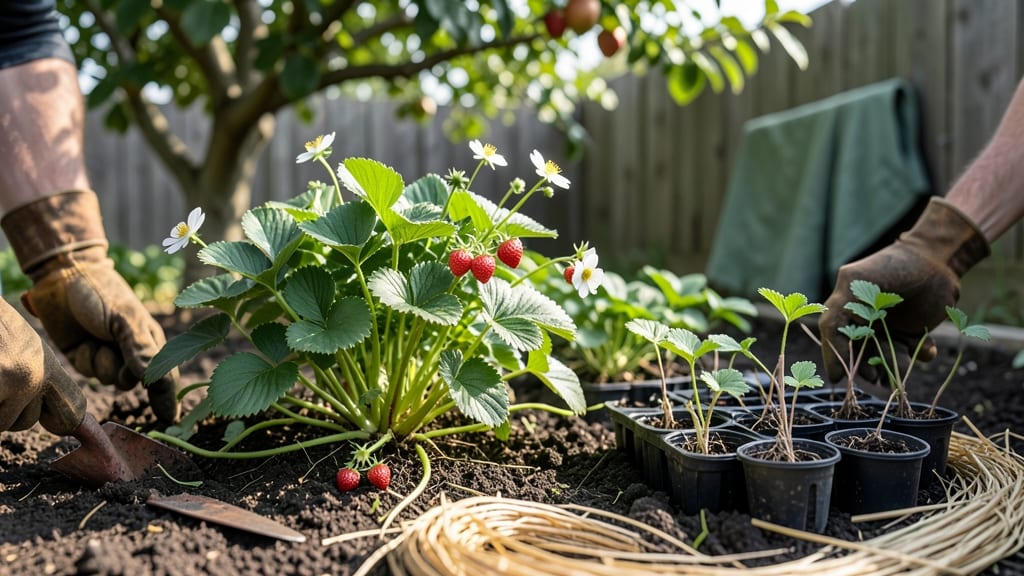
If you're wondering "when do you plant strawberries in Kansas", timing is the key to avoiding frost damage or summer heat stress—both of which can ruin your 🍓 harvest before it starts.
Kansas gardeners know the difference between a thriving strawberry patch and a failed attempt often comes down to matching varieties to the state's unique chill-hour zones. Whether you're in the colder north or warmer south, planting too early or late can mean the difference between juicy berries and bitter disappointment.
In this guide, I'll break down the exact planting windows for June-bearing, everbearing, and day-neutral varieties—plus how to extend your growing season with simple techniques. No more guessing games about frost dates or soil temperatures.
Let's get your strawberries off to the right start so you can enjoy homegrown sweetness from summer through fall. Ready to learn the secrets Kansas experts use?
Kansas strawberry planting zones: chill-hours breakdown by region
Kansas' diverse climate means northern counties like Saline or Brown need June-bearing varieties with high chill hours, while southern regions such as Sedgwick or Harper thrive with day-neutral types. The key? Matching chill-hour requirements to your USDA Zone (5b-7a) ensures proper flowering and fruiting.
For example, Jewel strawberries require 500+ chill hours, perfect for northeast Kansas, while Seascape needs just 300+ hours, ideal for southwest Kansas. Planting at the wrong time risks poor fruit set or bolting from heat stress.
Here’s how Kansas’ chill-hour zones break down by region—plus the best planting windows for each:
| Region | Chill Hours | Best Varieties | Planting Window | Notes |
|---|---|---|---|---|
| Northeast KS (Zone 5b-6a) | 500-700+ | Jewel, Honeyoye, Albany | Late March to April | Avoid late frosts; use row covers. |
| Central KS (Zone 6a-6b) | 400-600 | Chandler, Osage, Fort Laramie | Early April to mid-May | Well-drained soil critical; mulch heavily. |
| Southwest KS (Zone 7a) | 300-450 | Seascape, Tristar, Everbearing | Mid-April to May | Heat-tolerant; plant in partial shade if needed. |
| Southeast KS (Zone 6b-7a) | 350-500 | Tristar, Seascape, Fern | Late March to April | Humidity risks disease; space plants wide. |
In northern Kansas, aim for late March to early April—after the last average frost date (typically April 15 in Topeka). Southern areas can start 2-3 weeks earlier, but avoid planting before soil warms to 40°F.
For bare-root plants, soak roots for 4-6 hours before planting. Potted strawberries can go in anytime after last frost, but everbearing varieties benefit from spring planting for summer harvests.
Pro tip: Use Kansas State University’s frost maps to pinpoint your local last frost date. For example, Hays (Zone 6b) averages April 5, while Wichita (Zone 7a) is March 20—plant accordingly!
If you’re in Zone 5b, like Salina, opt for June-bearing varieties and plant in early April to align with 600+ chill hours. In Zone 7a, such as Dodge City, day-neutral types like Seascape thrive with mid-April planting.
Remember: Soil temperature matters more than air temperature. Use a soil thermometer—strawberries need 50°F+ soil to root properly. If your soil is too cold, wait 1-2 weeks or use black plastic mulch to warm it faster.
For fall planting, only attempt it in southern Kansas (Zone 7a) with heat-tolerant varieties like Seascape. Plant 6-8 weeks before first frost (typically late August) to establish roots before winter.
Best strawberry varieties for Kansas: cold-hardiness vs. heat tolerance
Choosing the right strawberry variety for Kansas is like picking the perfect glove—it needs to fit your climate zone perfectly. The state’s chill-hour requirements range from 300 to 500+ hours, and varieties like ‘Seascape’ thrive in southern Kansas, while ‘Jewel’ needs northern chill.
Let’s match your location to the best performers.
For northern Kansas (500+ chill hours), June-bearing varieties like ‘Jewel’ deliver huge harvests in June but need winter protection. In central/southern Kansas (300-400 hours), everbearing ‘Seascape’ produces berries all season with less fuss. Day-neutral ‘Albion’ is a heat-tolerant middle-ground option for warmer microclimates.
Heat tolerance matters too—‘Seascape’ handles Kansas summers better than ‘Chandler’, which bolts faster in 90°F+ temps. Disease resistance is key: ‘Fort Laramie’ fights gray mold better than many hybrids. I’ll show you which varieties win in your area.
Planting bare-root strawberries in early spring (March-April) gives roots time to establish before summer heat. For potted plants, wait until soil reaches 50°F—usually mid-April in southern Kansas but May in the north. Seedlings need consistent moisture during establishment, so mulch heavily with straw or pine needles.
Pro tip: If you’re in Zone 6 (northwest Kansas), opt for ‘Fort Laramie’—it handles -20°F winters and still produces 2 lbs/plant. Southern gardeners should try ‘Chandler’ for sweeter berries, but plant in shade cloth during July-August to prevent bolting.
Remember, chill-hour requirements aren’t just about winter—they determine flowering cues. A ‘Jewel’ planted in southern Kansas might bolt too early and produce tiny berries. Match your variety to your last frost date and summer heat for the best results.