
Plants
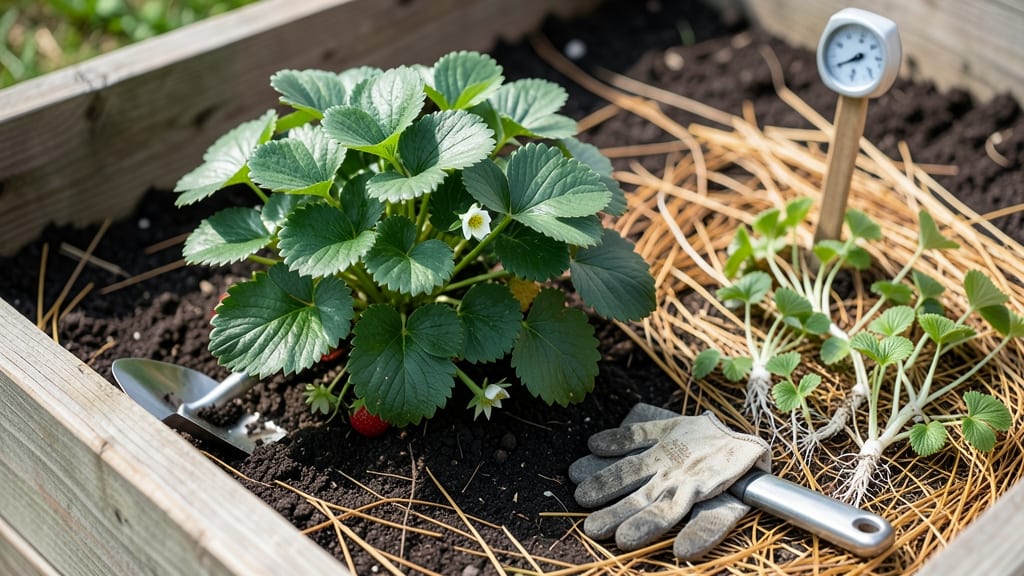
Planting strawberries in Arkansas at the wrong time can mean the difference between a bumper crop and a total loss to frost. Whether you're a seasoned gardener or just starting with your first 🍓 patch, getting the timing right is the most important step for success.
Arkansas's USDA zones 7a-8b give you two prime windows to plant: early spring (February-March) or late summer (August-September). But here's the catch - northern Arkansas's cooler climate demands a different approach than southern Arkansas's warmer zones.
One wrong move, and you could end up with frost-damaged plants or missed harvest windows.
I'll break down the exact months to plant based on your region, plus pro tips for bare-root vs. potted plants that make all the difference. You'll learn how to read your soil temperature, protect against late frosts, and choose varieties that thrive in Arkansas's heat and humidity.
Ready to grow strawberries that produce sweet, abundant fruit year after year? Let's get your planting schedule locked in so you can enjoy those first juicy berries in spring or fall - without any surprises along the way.
Best planting months for strawberries in Arkansas by region
Arkansas spans USDA Zones 7a-8b, meaning frost dates vary dramatically from the Arkansas Ozarks (north) to the Delta region (south). Your planting window depends on your specific microclimate, but here’s the breakdown to avoid frost damage and maximize harvests.
In North Arkansas (Zones 7a-7b), where late frosts linger until mid-April, aim for late February to early March for spring plantings.
For fall, August 15 to September 15 gives plants time to establish roots before winter. Central Arkansas (Zone 7b-8a) gardeners can plant as early as mid-February and extend fall plantings until late September.
Meanwhile, South Arkansas (Zone 8a-8b) enjoys milder winters, allowing January-February plantings with minimal frost risk. Fall plantings here can stretch until mid-October, but avoid planting after September 30—new growth won’t harden off before winter.
| Region | USDA Zone | Spring Planting Window | Fall Planting Window | Last Frost Date |
|---|---|---|---|---|
| North Arkansas | 7a-7b | Late Feb - Early Mar | Aug 15 - Sep 15 | Mid-April |
| Central Arkansas | 7b-8a | Mid-Feb - Early Mar | Aug 1 - Sep 30 | Early April |
| South Arkansas | 8a-8b | Jan - Feb | Aug 15 - Oct 15 | Late Feb - Early Mar |
The key to success is soil temperature. Strawberries need soil that’s at least 40°F for root establishment. In North Arkansas, wait until soil warms to this threshold—usually mid-March—before planting. Use a soil thermometer to check; planting too early in cold soil leads to rot.
For bare-root plants, soak roots in water for 1-2 hours before planting to reduce transplant shock. Space them 18-24 inches apart in rows 3 feet apart for airflow. Potted strawberries can handle slightly earlier plantings since their roots are established, but still avoid frost-prone periods.
Pro tip: Ever-bearing varieties (like Albion or Seascape) planted in fall often produce an early spring crop, while June-bearing types (like Chandler) planted in spring yield heavily in summer. Match your variety to your planting window for best results.
Watch for late spring frosts, especially in North Arkansas. If temperatures dip below 28°F after planting, cover beds with frost cloth or row covers. Mulch with straw or pine needles to insulate roots and retain moisture during Arkansas’s unpredictable spring weather.
Remember: Fall plantings in Arkansas often outperform spring plantings because established roots handle winter better. Just ensure plants have 6-8 weeks to root before November’s first frost—typically November 15 in most regions.
Best planting months for strawberries in Arkansas by region
Arkansas’s varied climate means strawberry planting windows shift dramatically from north to south. In USDA Zones 7a-8b, your success hinges on knowing when to plant to avoid late-spring frosts or summer heat stress.
Northern Arkansas (like Fayetteville) has cooler springs, while southern regions (Little Rock and beyond) enjoy longer growing seasons.
For bare-root strawberries, aim for late winter to early spring (February–March) once soil temps hit 40°F+. This gives plants time to establish roots before peak flowering in April. In warmer southern Arkansas, fall planting (August–September) is ideal for avoiding summer heat.
Here’s how timing breaks down by region—plus soil temp and frost risk factors to watch:
| Region | Best Planting Window | Soil Temp Requirement | Frost Risk | Harvest Window |
|---|---|---|---|---|
| North Arkansas (e.g., Fayetteville) | Late February–March | 40–45°F | High (last frost: April 15) | May–June |
| Central Arkansas (e.g., Little Rock) | March–April or August–September | 45–50°F | Moderate (last frost: March 20) | April–June or October |
| South Arkansas (e.g., Texarkana) | August–September | 50–55°F | Low (last frost: March 10) | September–November |
In northern Arkansas, planting in February lets you beat frost, but wait until March if winters are harsh. Central Arkansas gardeners have flexibility—either spring or fall works, but fall-planted strawberries often yield earlier the next year. For southern Arkansas, August–September is critical to avoid summer’s brutal heat.
Pro tip: Use a soil thermometer to confirm temps before planting. Cold soil delays root growth, leaving plants vulnerable to winter dieback. If soil is too cold, delay planting by 2–3 weeks or use black plastic mulch to warm the ground faster.
For potted strawberries, extend your window—plant anytime soil is workable (even January in mild microclimates). Containers warm up faster and let you move plants to sheltered spots if frost threatens.
Missed the ideal window? Don’t panic. June-bearing varieties planted in late summer may produce a small fall crop, while everbearing types (like Albionel) can fruit year-round with proper care. Just adjust expectations—yield will be lower for off-season plantings.