
Plants
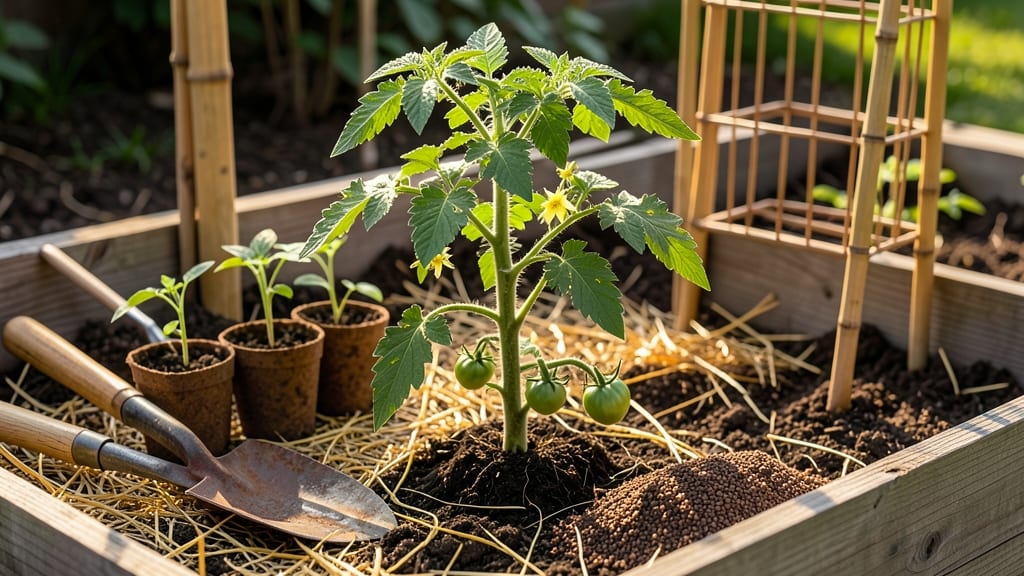
Planting fall tomatoes in Louisiana isn’t just about timing—it’s about beating the clock before frost steals your harvest. With just 8 weeks between your last chance to plant and the first frost, getting it right means the difference between a bounty of juicy 🍅 and empty vines.
Most gardeners in zones 8a-9b know the struggle: too early, and your plants wilt in summer heat; too late, and winter cuts your season short. But here’s the secret—starting mid-August to early September gives your tomatoes the perfect head start, ensuring they mature before temperatures drop.
I’ll walk you through the exact steps to plant, from picking heat-resistant varieties to extending your harvest with simple tricks. Whether you’re a seasoned gardener or a first-timer, these tips will help you avoid common mistakes and maximize your yield.
Ready to turn your Louisiana garden into a fall tomato powerhouse? Let’s dive into the proven timeline and strategies that work—no guesswork, just results.
Louisiana’s fall tomato planting timeline: exact dates by region
Louisiana’s climate is as diverse as its culture, with North, Central, and South regions each offering slightly different frost dates and growing windows for fall tomatoes.
To maximize your harvest, you’ll need to align your planting schedule with your specific USDA zone—whether you’re in Zone 8a (North) or Zone 9b (South). The key is planting 6-8 weeks before your area’s first frost, ensuring your tomatoes mature before cold snaps hit.
For North Louisiana (Zone 8a), where frost can arrive as early as December 1, your planting window narrows to mid-August to early September.
In Central Louisiana (Zone 8b), you’ve got a bit more flexibility, with a late July to mid-September window. South Louisiana (Zone 9a-9b) gardeners can push it even further, planting from late July to early October—thanks to later frost dates (often January 1).
Miss timing by even a week, and you risk immature fruit or frost damage. That’s why I’ve broken down the exact countdown for each region, including critical deadlines for transplanting and harvest. Below, you’ll find a region-specific timeline to keep your tomatoes thriving until the holidays.
🌱
| Region | USDA Zone | Planting Window | Last Transplant Deadline | First Frost | Harvest Window |
|---|---|---|---|---|---|
| North Louisiana | 8a | Mid-August to early September | September 15 | December 1 | October to November |
| Central Louisiana | 8b | Late July to mid-September | September 30 | December 15 | October to December |
| South Louisiana | 9a-9b | Late July to early October | October 15 | January 1 | November to January |
Now that you’ve got your region-specific timeline, let’s dive into the soil temperature factor. Tomatoes need soil temps above 60°F to thrive, and Louisiana’s late summer heat can drop too quickly if you plant too late.
For North Louisiana, aim to have seedlings in the ground by mid-August—this gives them 8-10 weeks to mature before frost. In South Louisiana, you can stretch it to early October, but watch for temperature swings in November.
Pro tip: Use a soil thermometer to confirm temps are ideal before planting. If your soil is still below 60°F, wait a few days or use black plastic mulch to warm it up faster. This simple step can mean the difference between a bountiful harvest and stunted growth.
Another critical factor is seedling age. For fall tomatoes, you’ll want 4-6 week old seedlings when transplanting. If you’re starting from seed, begin indoors in early July (North) or late June (South).
This ensures your plants are strong and sturdy by transplant time, reducing transplant shock and giving them a head start.
💧
Once your seedlings are in the ground, watering consistency becomes your new best friend.
Fall tomatoes in Louisiana need 1-2 gallons of water per plant every 2-3 days, but reduce slightly as temperatures drop. Morning watering is key—it prevents fungal diseases like blight, which thrives in damp, cool conditions.
Pair this with mulching (straw or shredded leaves) to retain moisture and keep roots warm.
Finally, don’t forget about succession planting. If you’ve got space, plant a second batch of seeds 2-3 weeks after your first transplant. This ensures a steady supply of tomatoes throughout the fall, even if the first wave gets hit by an early cold snap.
Just adjust your harvest expectations—later plantings may yield smaller fruit but still deliver flavorful rewards.
With these region-specific deadlines and care tips, you’re on track for a fall tomato harvest that’ll make your neighbors jealous. Next, we’ll cover the 5 critical factors that’ll determine whether your tomatoes thrive or struggle—including heat-tolerant varieties and season-extending hacks.
5 Critical factors that determine your fall tomato success in Louisiana
Timing isn’t the only factor for fall tomatoes in Louisiana—soil temperature, variety selection, and transplant care can make or break your harvest. Let’s break down the 5 critical factors that separate a bountiful fall crop from a disappointing one.
These insights will help you avoid common pitfalls and maximize your yield before frost hits.
First, soil temperature is non-negotiable. Tomatoes thrive when soil stays above 60°F, but Louisiana’s late-summer heat can drop quickly. Test your soil with a soil thermometer—if it’s below 60°F, delay planting or use black plastic mulch to warm the soil faster.
Cold soil slows germination and weakens seedlings, leading to stunted growth and poor fruit set.
Next, choosing the right tomato varieties is key. Heat-tolerant types like ‘Celebrity’ or ‘Heatmaster’ handle Louisiana’s lingering summer heat better than standard varieties. For a shorter season, opt for early-maturing types like ‘Early Girl’ (55 days) or ‘Stupice’ (45 days).
These varieties mature quickly enough to produce fruit before the first frost, even if planted in early September.
- 🌡️ Soil temp: Must stay above 60°F for germination.
- 🌱 Varieties: Pick heat-tolerant or early-maturing types.
- ⏳ Transplant shock: Harden seedlings for 7–10 days before planting.
- 🛡️ Season extension: Use row covers or black plastic mulch.
- 💧 Watering: Deep water every 2–3 days in fall.
Transplant shock is another silent killer of fall tomatoes. Seedlings grown indoors or in greenhouses need 7–10 days of hardening before going into the ground. Gradually expose them to outdoor conditions—start with 2–3 hours of sunlight daily, then increase by 1 hour each day.
This toughens their stems and leaves, reducing stress when you plant them in your garden.
To extend your growing season, consider season-extension tools like row covers or cold frames. A floating row cover can add 2–4 weeks to your harvest window by trapping heat and shielding plants from light frosts.
For extra warmth, lay down black plastic mulch 1–2 weeks before planting. This warms the soil faster and suppresses weeds, giving your tomatoes a head start in cooler weather.
Finally, watering habits shift in fall. While summer calls for frequent deep watering, fall tomatoes need consistent moisture without overdoing it. Water deeply every 2–3 days in the morning to reduce evaporation and fungal risks.
As temperatures drop, reduce frequency slightly—overwatering in cool weather can lead to blossom-end rot or cracked fruit. Aim for 1–2 gallons per plant per watering session.
By focusing on these 5 critical factors, you’ll give your fall tomatoes the best shot at success in Louisiana’s unpredictable climate. Start with warm soil, the right varieties, and careful transplanting, then protect your plants with season-extension tools.
With the right approach, you’ll be enjoying homegrown tomatoes well into November! 🍅