
Plants
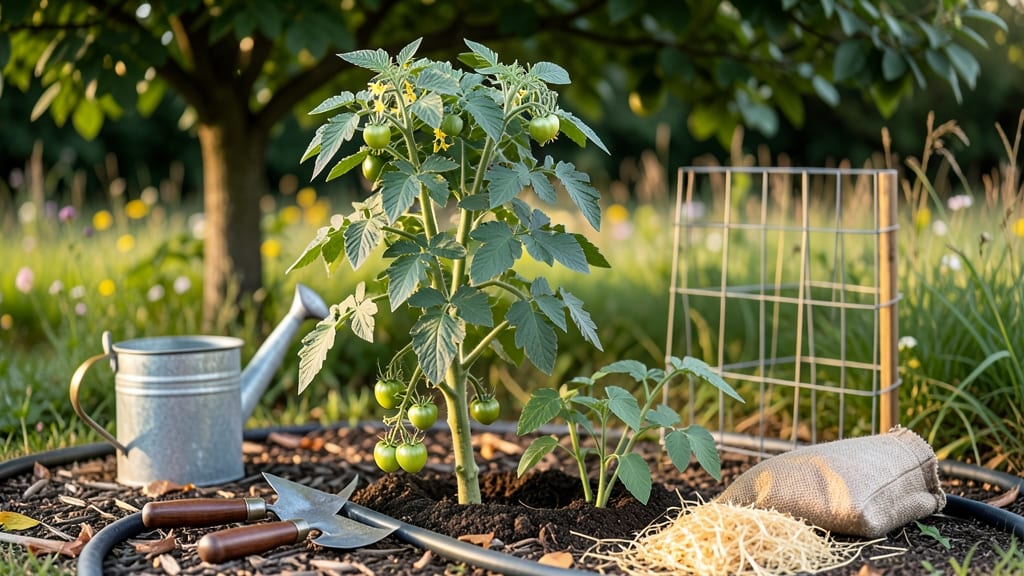
Timing when to plant fall tomatoes in South Texas isn't just about throwing seeds in the dirt—it's about beating the clock before those early frosts sneak in. Plant too soon, and you'll battle heat stress; too late, and your harvest gets cut short.
The sweet spot? August through early September, when temperatures start cooling but still give your plants 60-90 days to mature before winter sets in.
Why does this matter? Because South Texas gardeners know the difference between a zero-frost harvest and a sad, half-ripe batch. The key is understanding your local microclimate—whether you're in Austin, San Antonio, or Corpus Christi—and adjusting your planting window to match.
With the right timing, you could be feasting on homegrown tomatoes well into December, even as temperatures dip.
I’ve tested the best strategies for heat-tolerant varieties like 'Heatmaster' and cold-hardy types like 'Celebrity' to ensure your plants thrive. You’ll learn how to read the weather, prep your soil, and avoid common mistakes that derail fall harvests.
Let’s get those tomatoes growing—and keep them growing—long after most gardens call it quits.
Ready to extend your growing season? The next few weeks are your window to plant, so let’s break down the exact steps to guarantee a bountiful, frost-free harvest. Your taste buds (and dinner table) will thank you.
Optimal fall planting dates for South Texas tomatoes by variety type
South Texas's USDA Zones 8b-10a create a unique window for fall tomatoes—longer growing seasons than northern states but with early frost risks if you plant too late.
The key is timing your transplants (not seeds) to mature before hard freezes (28°F or below), which typically hit mid-December in most areas. For zero-frost harvests, aim to plant 60-75 days before your first expected frost.
Most South Texas gardeners focus on August-September planting, but your exact dates depend on your tomato variety and local microclimate. Coastal areas like Corpus Christi (Zone 9b) have 2-3 extra weeks of growing time compared to inland cities like Austin (Zone 8b).
Always check your local frost dates—they can vary by 7-10 days yearly.
Here’s how to break it down by tomato type and region, with exact planting windows tailored to South Texas:
| Variety Type | Days to Maturity | Optimal Planting Window (Austin) | Optimal Planting Window (San Antonio) | Optimal Planting Window (Corpus Christi) | Notes |
|---|---|---|---|---|---|
| Heat-Tolerant (e.g., 'Heatmaster', 'Solar Fire') | 60-65 days | Late July - Early August | Mid-July - Late July | Early July - Mid-July | Plant early to avoid early blight; use black plastic mulch. |
| Mid-Season (e.g., 'Celebrity', 'Better Boy') | 70-75 days | Early August - Mid-August | Late July - Early August | Mid-July - Late July | Best balance of heat tolerance and cold hardiness. |
| Cold-Hardy (e.g., 'Mountain Merit', 'Stupice') | 75-85 days | Mid-August - Early September | Early August - Mid-August | Late July - Early August | Plant later for fall flavor; use row covers if frost threatens. |
| Cherry (e.g., 'Sweet 100', 'Sun Gold') | 55-60 days | Late July - Early September | Mid-July - Late August | Early July - Mid-August | Fastest harvest; ideal for extended fall production. |
For Corpus Christi gardeners, you can push planting dates 10-14 days earlier thanks to the coastal warmer microclimate. In contrast, Austin’s inland heat means you’ll need to plant heat-tolerant varieties by mid-August to avoid early blight from prolonged summer humidity.
Always verify your last frost date using the National Weather Service or local AgriLife Extension resources.
Pro tip: If you’re
How to time your planting for zero-frost harvests using temperature triggers
Timing your fall tomato planting in South Texas isn’t just about dates—it’s about reading the weather cues that signal when your plants have enough time to mature before the first frost.
The key is tracking 5-day forecast lows, soil temperatures, and day-length changes to avoid early blights and ensure a harvest before hard freezes (28°F or below).
Start by monitoring soil temperatures—they should stay above 60°F for at least 4-6 weeks after planting. In South Texas (USDA Zones 9a-10a), this typically aligns with late August to mid-September, but heatwaves or early cold snaps can shift this window.
Use a soil thermometer to confirm readiness, especially if you’re planting heat-sensitive varieties like 'Celebrity' or 'Mountain Merit'.
Next, focus on day-length changes. Tomatoes thrive with 12-14 hours of daylight, but as days shorten in fall, growth slows. Aim to plant when days are still longer than 12 hours—this usually means starting by mid-August for a late fall harvest.
Check local sunrise/sunset times via tools like the NOAA Climate Data portal or Weather Underground.
🌡️ Critical Temperature & Timing Triggers
- 1. Soil Temp: Plant when soil is consistently above 60°F (use a thermometer to confirm).
- 2. Air Temp: Avoid planting if nighttime lows dip below 55°F—this stresses seedlings.
- 3. Frost Forecast: Check the 5-day low—plant 6-8 weeks before the first predicted frost (32°F).
- 4. Day Length: Ensure 12+ hours of daylight during the growing season (verify via local sunrise/sunset apps).
- 5. Hard Freeze: Plan for 28°F or below—this kills tomato plants; aim to harvest before this.
For real-time tracking, rely on local weather stations like those from the National Weather Service or Texas A&M AgriLife Extension. They provide hyper-local frost predictions for cities like Austin, San Antonio, and Corpus Christi, where microclimates can vary by 3-5 days.
For example, Corpus Christi often has a longer frost-free season than Hill Country areas, so adjust your planting window accordingly.
Pro tip: Use black plastic mulch or row covers to extend your growing season by 2-3 weeks. These tools warm the soil and protect against unexpected cold snaps, giving your tomatoes extra time to ripen.
Pair this with cold-hardy varieties like 'Heatmaster' or 'Solar Fire' for added insurance against early frosts.
Finally, keep an eye on humidity levels. South Texas’s high humidity in fall can promote fungal diseases like early blight, so space your plants 18-24 inches apart for airflow and water in the morning to reduce moisture on leaves.
With these triggers in mind, you’ll nail the timing for a zero-frost harvest—even if winter arrives early.