
Plants
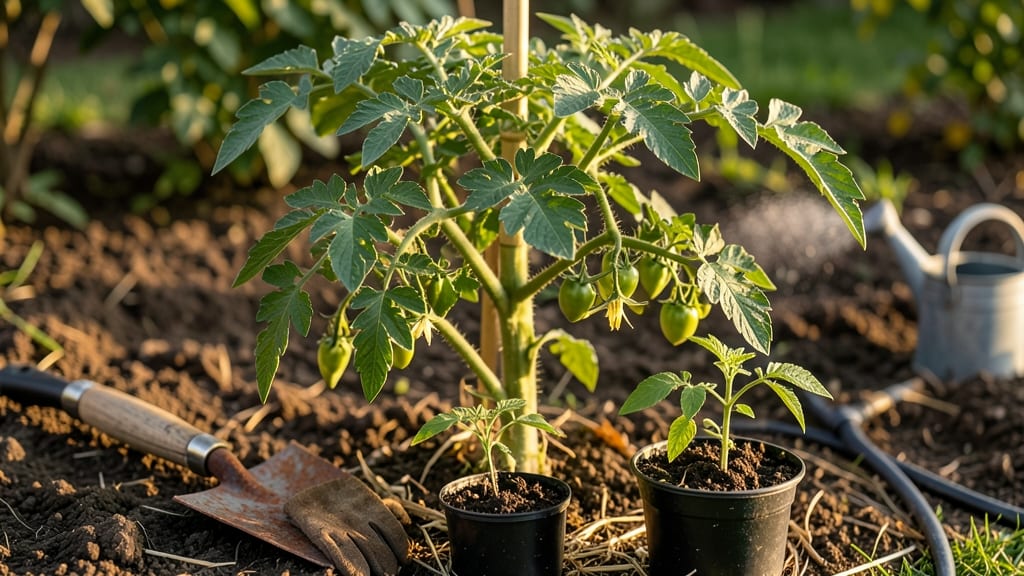
When to plant fall tomatoes in Houston isn't just about the calendar—it's about beating the first frost while giving your 🍅 plants enough warm days to thrive. With Houston's unique microclimates, planting too early means stunted growth, while waiting too long risks a harvest cut short by December's chill. The sweet spot? August through early September, when soil stays warm but nights begin cooling.
You might assume all of Houston follows the same rules, but that's where many gardeners go wrong. Coastal areas like Galveston stay milder longer, while inland spots near USDA Zone 9a boundaries can drop faster.
That means your neighbor's perfect schedule might leave you scrambling to protect your plants from unexpected cold snaps. Let's break down exactly when to plant for your specific corner of the city.
Here's the game-changer: most Houston gardeners focus only on planting dates, but the real secret lies in soil temperature and nighttime trends. We'll show you how to read Houston's weather patterns like a pro—so you can plant with confidence and enjoy tomatoes well into December.
No more guesswork, just guaranteed harvests.
Whether you're starting with transplants or seeds, this guide gives you the precise window to maximize your fall crop. You'll learn which varieties handle Houston's mild winters best and how to extend your season with simple, effective techniques. Ready to turn your backyard into a tomato powerhouse this fall?
Houston’s fall tomato planting calendar by microclimate zone
Houston’s sprawling geography creates three distinct microclimates that drastically alter your fall tomato planting window. Coastal areas near Galveston stay warmer longer, while North Houston’s cooler nights demand earlier starts.
Even Urban Heat Islands in downtown can push your harvest window by 2-3 weeks. Let’s break down the exact planting dates for each zone to ensure zero-frost harvests.
For Coastal Houston (USDA Zone 9a), your last frost date averages December 15, giving you a longer window. Inland areas like North Houston (Zone 8b) face frost risks by November 20.
The Urban Heat Island (downtown) can extend your season by 10-14 days due to concrete heat retention. These differences mean your neighbor’s September 1st planting might be too late for you—while too early for them.
Here’s the visual comparison of planting windows by microclimate, including soil temperature requirements and transplanting deadlines for heirloom vs. hybrid varieties:
Notice how North Houston gardeners must plant 4-6 weeks earlier than coastal areas to avoid frost. The Urban Heat Island gives you a 10-day advantage—but only if you’re planting in raised beds or containers, which warm up faster.
For all zones, soil temperature is non-negotiable: tomatoes won’t germinate below 55°F, and roots struggle below 60°F.
If you’re using transplants (recommended for Houston’s short season), buy 6-week-old seedlings from local nurseries in July. For seeds, start indoors 8-10 weeks before your zone’s transplant deadline. Heirloom varieties like ‘Cherokee Purple’ need the longest season, while hybrids like ‘Celebrity’ mature faster—critical for North Houston’s shorter window.
Pro tip: Use a soil thermometer to confirm temperatures. Houston’s black soil heats up faster than clay, but morning shade can delay warming. If your soil hits 60°F by August 1st, you’re golden for coastal planting. If not, wait until August 15th to avoid stunted growth.
For container gardening, add 2-3 weeks to these timelines—pots cool faster at night. Place containers on black plastic mulch or heat-absorbing bricks to mimic Houston’s warm microclimates. This trick works especially well for balconies in downtown’s Urban Heat Island, where you can harvest until mid-December.
Remember: Houston’s humidity (often 80%+ in fall) speeds up fungal diseases. Space plants 18-24 inches apart and use drip irrigation to keep foliage dry. This isn’t just about dates—it’s about surviving Houston’s unique challenges to get those zero-frost tomatoes.
5 Critical factors that determine your perfect planting window
Houston’s fall tomato planting success hinges on more than just dates—your microclimate and soil conditions play starring roles. First, check your USDA Zone 8a/8b specifics: Coastal areas (like Galveston) have warmer soils longer, while inland spots (like Katy) cool faster.
This means your neighbor’s August planting might be too late for you—or too early!
Next, monitor soil temperatures—they must stay above 60°F for 2 weeks straight before planting. Use a soil thermometer or dig 6 inches deep: if it’s cooler than 55°F, roots struggle to establish. Pro tip: Black plastic mulch warms soil 5-10°F faster than bare earth.
Aim for 55°F+ lows. Use row covers if dips below 50°F—even one cold snap can stunt growth.
Houston’s high humidity (60-80%) speeds fungal diseases. Prune lower leaves weekly to improve airflow.
Test your soil—tomatoes thrive at pH 6.0-6.8. Add compost or aged manure 2 weeks before planting.
Buy 4-6 week old seedlings (not older). Older plants transplant shock harder in Houston’s heat.
Houston’s average first frost is Dec 15, but plant 6 weeks before to account for slow growth in cooler temps.
Don’t overlook wind exposure—Houston’s gulf breezes can dry out young plants. If your garden’s open to wind, add windbreaks (like corn stalks or burlap) to protect seedlings. Also, avoid planting near large trees: their roots compete for water and drop leaves that smother soil.
Finally, track your local frost history. Use the National Weather Service’s frost maps or ask neighbors with established gardens—their real-world data beats averages. For example, Sugar Land often gets 2 weeks more growing time than Conroe due to urban heat retention.
By nailing these 5 factors, you’ll dodge the most common Houston tomato fails: blossom drop (from temperature swings) and poor fruit set (from humidity). Start checking soil temps now—August 1-15 is your prime window for coastal areas, while inland gardeners should wait until August 15-30.