
Planting
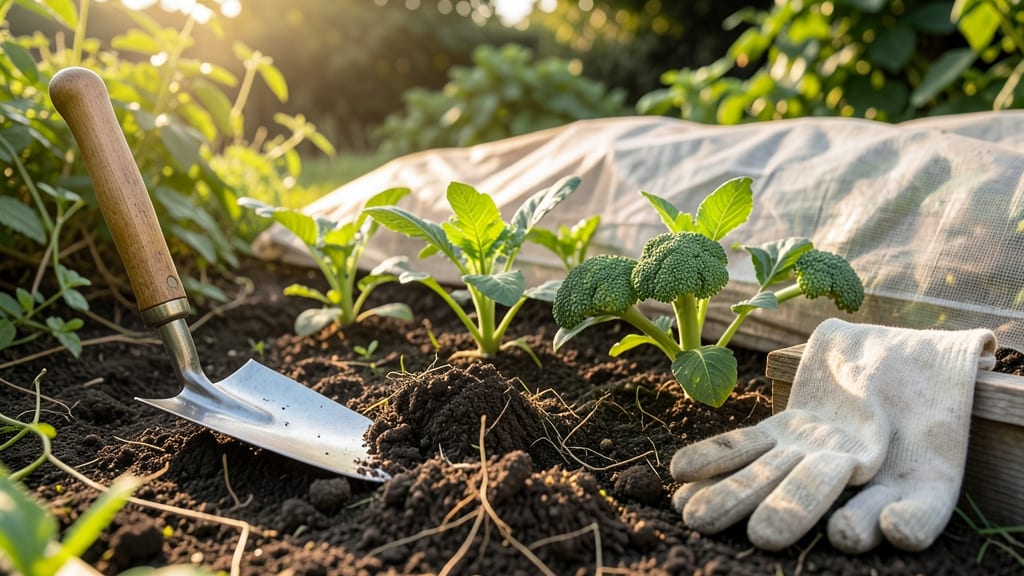
Timing your General Fall Garden 🌱 in Zone 7 (7a-7b) can mean the difference between a bumper harvest and wasted seeds—because planting too early risks frost damage, while waiting too long cuts your growing season short.
Most gardeners in Zone 7 assume mid-September is the sweet spot, but the truth is more nuanced. Your microclimate—whether you're in the Piedmont, Coastal Plain, or an urban heat island—shifts those deadlines by 2-3 weeks.
I’ll show you exactly when to plant each crop to ensure your kale, carrots, and broccoli thrive until winter.
Beyond dates, the key lies in soil prep and crop selection. We’ll cover how to extend your season with row covers, which varieties handle Zone 7’s first frost (around November 1) best, and the 3-step checklist to protect late plantings.
Ready to turn your fall garden into a year-round harvest? Let’s get started with the precise planting windows—and mistakes to avoid—that’ll keep your 🌱 growing strong until the snow flies.
Zone 7 fall planting deadlines by microclimate (urban vs rural vs coastal)
Your Zone 7 location makes all the difference when planning a fall garden. Whether you're in the Piedmont region with its rolling hills or the Coastal Plain where ocean breezes moderate temperatures, your last frost date and microclimate dictate success.
Most of Zone 7 experiences its first frost around November 1, but urban heat islands can delay frost by 1-2 weeks.
For warm-season crops like tomatoes and peppers, your planting window closes earlier—aim to sow seeds by mid-August for transplants to mature before cooler temps set in.
Meanwhile, cool-season crops like kale and carrots thrive when planted 4-6 weeks before frost, meaning late August to early October deadlines depending on your sub-zone.
🌱
| Microclimate | Warm-Season Deadline | Cool-Season Window | Notes |
|---|---|---|---|
| Urban (Heat Island) | Mid-August | Late August–Early October | Soil stays warmer; extend season with row covers. |
| Rural Piedmont | Late July–Early August | Early September–Mid-October | Cooler nights; prioritize frost-tolerant varieties. |
| Coastal Plain | Early September | Mid-September–Late October | Ocean breezes delay frost; ideal for late plantings. |
If you're growing sweet potatoes or collard greens, coastal areas give you a 2-week advantage over inland zones.
For example, in Raleigh (Zone 7a), I plant broccoli by September 15, while in Wilmington (Zone 7b), I wait until October 1—the same variety thrives in both spots with the right timing.
Pro tip: Check your local Cooperative Extension Service for precise frost dates. Even a 1-week shift can mean the difference between a bountiful harvest and bolted lettuce. For urban gardeners, consider black plastic mulch to warm soil and extend the season by 10-14 days.
🌿
For herbs like cilantro and parsley, which bolt in heat, I plant them in late summer (August) for a fall harvest. These cool-loving plants perform best when daytime temps drop below 80°F.
Meanwhile, spinach and radishes can handle light frosts, making them ideal for October plantings in all Zone 7 sub-regions.
One common mistake? Assuming all of Zone 7 is the same. A 30-mile difference can shift your frost date by a week. For instance, Asheville (Zone 7a) often sees frost by October 25, while Greenville (Zone 7b) might wait until November 10.
Always adjust your planting calendar based on elevation and proximity to water bodies.
🌡️
To maximize your fall garden, I recommend succession planting every 2 weeks from August through September. This ensures a steady supply of leafy greens and root vegetables without overwhelming your space.
For example, sow lettuce on August 15, September 1, and September 15 for harvests in September, October, and November respectively.
Finally, don’t overlook soil temperature. Most cool-season crops need soil temps below 85°F to germinate. Use a soil thermometer to confirm readiness—waiting an extra week for cooler soil prevents seed rot and uneven sprouting.
Zone 7 fall planting deadlines by microclimate (urban vs rural vs coastal)
Zone 7 spans diverse microclimates where first frost dates can vary by 2-3 weeks. Urban areas like Raleigh hit frost November 1-15, while coastal regions near Wilmington may delay frost until November 20-25. Rural Piedmont zones often fall in the middle with November 10 averages.
These differences mean your planting window shifts dramatically—urban gardeners should start late August, while coastal gardeners can wait until early September for many crops.
For warm-season crops like tomatoes and peppers, your last planting date is mid-August in most of Zone 7.
These heat-lovers need 60-70 days to mature, so planting after August 15 risks harvests coinciding with frost. Cool-season crops (kale, spinach, carrots) have more flexibility—aim for 4-6 weeks before frost, meaning late August to mid-October depending on your microclimate.
| Microclimate | First Frost Date | Warm-Season Deadline | Cool-Season Window |
|---|---|---|---|
| Urban (Raleigh) | Nov 1-15 | Aug 1-15 | Aug 25-Oct 15 |
| Rural Piedmont | Nov 10 | Aug 10-25 | Sep 1-Oct 20 |
| Coastal (Wilmington) | Nov 20-25 | Aug 20-Sep 5 | Sep 15-Oct 30 |
Heat islands in cities like Charlotte can push frost dates earlier by 5-7 days, while coastal areas benefit from moderating ocean breezes that delay frost. Check your local Almanac frost dates or use a frost calculator (like the Old Farmer's Almanac tool) to refine your timeline.
For example, if your area averages frost on November 5, plant cool-season crops by October 15 to ensure a harvest before temperatures drop below 25°F.
Pro tip: Use succession planting for crops like lettuce and radishes. Start your first batch 6 weeks before frost, then add 2-week intervals until 4 weeks before frost. This staggered approach ensures a continuous harvest and maximizes your garden space.
For example, in Raleigh, plant radishes every 2 weeks from August 25 to September 25 for fresh harvests through October.
Don't overlook soil temperature—cool-season crops thrive when soil stays above 40°F. Test your soil with a thermometer before planting; if it's below 50°F, wait a week or use black plastic mulch to warm it faster.
In Zone 7, soil temps drop below 50°F by mid-October, so plan your late-season plantings accordingly.
Remember: Microclimates matter more than zip codes. A north-facing bed stays cooler than a south-facing one, and a windbreak hedge can delay frost by 3-5 days.
Observe your garden's unique conditions and adjust your planting dates 1-2 weeks earlier or later based on what you've seen in past years.