
Plants
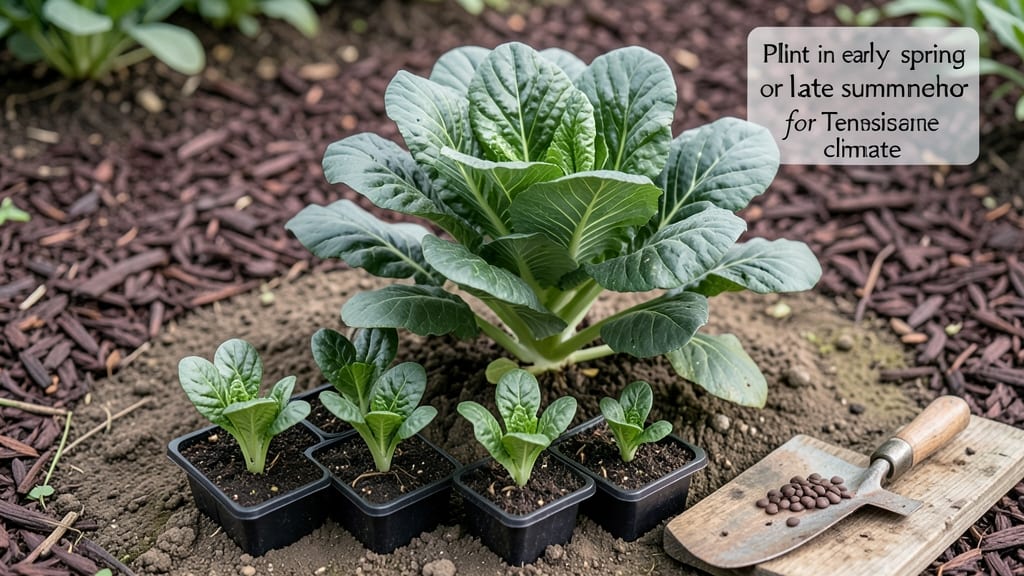
Planting collard greens 🥬 in Tennessee at the wrong time means tough, bitter leaves instead of the tender harvest you crave.
The key to sweet, flavorful greens lies in understanding your local frost dates—especially when you're in USDA Zones 6b or 7a where spring arrives earlier in Nashville than in the cooler highlands of East Tennessee.
Most gardeners in Tennessee get it wrong by planting too early in spring or waiting too long for fall harvests. But with the right timing, you can enjoy fresh collards from May through November.
I'll break down exactly when to start seeds and transplant them for maximum growth, so you never miss a harvest window again.
Did you know collards actually thrive in Tennessee's mild winters? That means you can plant them as early as March in Zone 7a or wait until April in the cooler Zone 6b areas.
The secret is knowing when to beat the first frost while giving your plants enough time to mature before summer heat sets in.
Whether you're a first-time gardener or a seasoned grower, these planting dates will help you avoid common mistakes that ruin collard crops. Let's dive into the perfect schedule for your Tennessee garden so you can enjoy homegrown greens all season long.
Optimal collard green planting dates by Tennessee region (Zone 7a vs 6b)
Tennessee’s USDA Zones 6b and 7a create a unique challenge for collard greens growers. The 300-foot elevation difference between East Tennessee’s highlands and Middle Tennessee’s valleys can shift last frost dates by up to 2 weeks.
In Zone 6b (e.g., Knoxville, Chattanooga), gardeners face earlier frosts, while Zone 7a (Nashville, Memphis) enjoys longer growing seasons. This means your planting window could be a month earlier in the south than in the mountains.
For spring plantings, aim to sow seeds 2-3 weeks after your last frost date. In Zone 7a, this typically falls in early March, while Zone 6b gardeners should wait until mid-to-late March.
Fall plantings require 6-8 weeks before first frost, meaning Zone 6b gardeners plant in late July to early August, while Zone 7a can extend this until mid-August.
These timing differences directly impact your harvest window—get it wrong, and you’ll end up with bitter, tough leaves instead of sweet, tender collards.
🌱 PRO TIP: Use your local Cooperative Extension Service frost dates (like UT Extension for Zone 6b or UT AgResearch for Zone 7a) to pinpoint your exact planting deadlines. Even within cities, microclimates matter—valleys warm faster than hillsides.
🌡️ Tennessee Collard Green Planting Timeline by USDA Zone
| Planting Window | Zone 6b (East TN) | Zone 7a (Middle TN) | Key Consideration |
|---|---|---|---|
| Spring Planting | Mid-March to early April | Early March to mid-April | Wait until soil reaches 50°F+ |
| Fall Planting | Late July to early August | Mid-August to early September | Plant 6-8 weeks before first frost |
| Transplant Window | Late April to early May | Early April to late May | Use 4-6 week old seedlings |
| Harvest Window | May to early June (spring) / Oct to Nov (fall) | April to June (spring) / Oct to Dec (fall) | Harvest before first hard frost (28°F) |
📅 Note: Adjust for microclimates—valleys plant 1-2 weeks earlier than hillsides.
If you’re growing heirloom varieties like Georgia Southern or Blue Max, prioritize spring plantings—these varieties develop sweeter flavors when grown in cooler weather. For heat-tolerant types like Vates or Top Bunch, lean into fall plantings to avoid the summer heat that causes bolting.
My Zone 7a garden in Nashville yields the most tender collards from September plantings, harvested in November before the first frost.
For direct sowing, plant seeds ¼ inch deep and 18-24 inches apart in rows 2 feet apart. If transplanting, harden off seedlings for 7-10 days before setting them out. In Zone 6b, I’ve found that black plastic mulch raises soil temperatures by 5-10°F, allowing earlier plantings. Just
One critical mistake I’ve seen Tennessee gardeners make? Planting too late for fall harvests. If you miss the August planting window in Zone 7a, your collards won’t mature before frost. Instead, use succession planting: sow every 2 weeks from July to early August for a staggered harvest. This ensures you’re always picking tender, young leaves rather than struggling with overgrown, woody stalks.
Finally, don’t overlook soil preparation. Collard greens thrive in well-draining soil with a pH of 6.0-7.0. In Tennessee’s clay-heavy soils, amend with compost or aged manure before planting.
My Zone 6b garden in the Smokies adds vermiculite to improve drainage—this makes all the difference in preventing root rot during Tennessee’s humid summers.
For container growing, choose 5-gallon pots with drainage holes and plant one collard per container. These do well on balconies in Zone 7a but may need row covers in Zone 6b’s cooler nights. Just remember: containers dry out faster, so water daily in summer.
🌿
Optimal collard green planting dates by Tennessee region (Zone 7a vs 6b)
Tennessee’s diverse microclimates mean your collard green planting timeline should differ between Zone 6b (East Tennessee) and Zone 7a (Middle Tennessee). In cooler highlands like Johnson City, last frost typically arrives March 15–April 1, while Nashville’s milder valleys see frost-free conditions by March 1–March 15.
Plan accordingly to avoid bitter-tasting leaves from premature cold exposure.
For spring plantings, aim to sow seeds 2–4 weeks after your area’s last frost date. In Zone 7a, that’s usually mid-March to early April, while Zone 6b gardeners should wait until late March to mid-April.
Transplants can go in slightly earlier—3 weeks before your last frost—if you protect them with row covers during chilly nights.
| Region | Last Frost Date | Ideal Spring Planting | Fall Planting Window | Harvest Timeline |
|---|---|---|---|---|
| Zone 7a (Nashville, Chattanooga) | March 1–15 | Mid-March–Early April | August 15–September 15 | May–June & October–November |
| Zone 6b (Johnson City, Knoxville) | March 15–April 1 | Late March–Mid-April | August 1–September 10 | May–June & September–October |
Fall plantings offer Tennessee gardeners a second harvest before winter. Seed collards 6–8 weeks before your first frost date—August 15–September 15 in Zone 7a and August 1–September 10 in Zone 6b.
This timing ensures leaves mature before hard frosts (below 20°F) hit, which can damage even cold-hardy varieties like Georgia Southern.
Pro tip: Use heat-tolerant varieties like Blue Max or Vates if planting in late summer (after August 15). These handle Tennessee’s 90°F+ heat better than traditional types, preventing bolting (premature flowering). Always space plants 18–24 inches apart to improve airflow and reduce disease risk.
Monitor your local Almanac frost predictions—they’re more accurate than generic USDA zones for Tennessee’s microclimates. For example, higher elevations (like Great Smoky Mountains foothills) may need 2 extra weeks of buffer time. Start seeds indoors 4–6 weeks before outdoor planting to extend your season further.
Don’t forget: Soil temperature matters too! Collard seeds won’t germinate well below 50°F. Use a soil thermometer to confirm readiness—especially in Zone 6b, where spring soils warm slower. If temps dip below ideal, try black plastic mulch to speed up heating.