
Planting
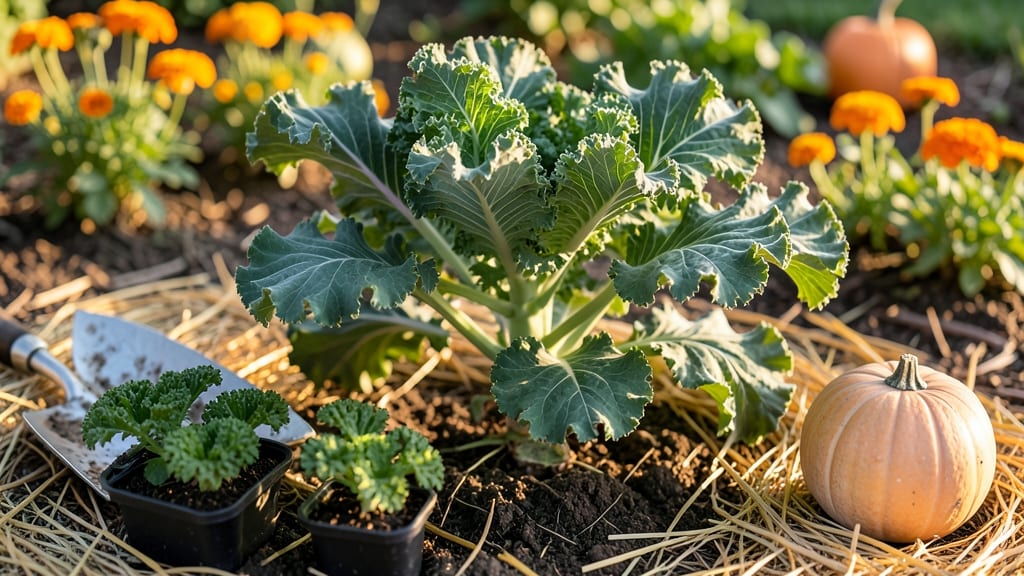
Timing your fall garden in South Texas can feel like playing a high-stakes game of chance—get it wrong, and your plants either wilt in the summer heat or get nipped by an early frost (yes, they do happen here!).
But with the right schedule, you can beat the odds and enjoy fresh produce from October through December.
Most gardeners in Zone 9a-10a know the secret lies in planting between late July and early September, giving crops like tomatoes, peppers, and greens time to establish roots before temperatures dip.
The key? Starting heat-tolerant varieties early while avoiding the brutal August sun, then transitioning to cooler-season plants as fall settles in.
I’ve tested these windows myself, and the difference between a thriving harvest and a sad, stunted garden comes down to two things: knowing your last planting deadline (spoiler: it’s earlier than you think) and adjusting for South Texas’ unpredictable microclimates.
Let’s break it down so you can plant with confidence—and skip the guesswork.
Whether you’re a first-time gardener or a seasoned pro, these insights will help you stretch your growing season without the stress. Ready to turn your backyard into a fall harvest goldmine? Let’s get started.
Critical fall planting deadlines in South Texas heat Zone 9b
South Texas’s Heat Zone 9b means we can grow fall gardens well into October, but timing is everything. The key is planting heat-tolerant varieties early enough to avoid summer’s worst heat while ensuring crops mature before rare December frosts.
Most zero-frost crops (like tomatoes and peppers) need 6-8 weeks to harvest, while cool-season veggies (like lettuce and kale) can handle cooler temps.
In South Texas, the ideal planting window for fall crops stretches from late July to early September. This gives most plants enough time to establish roots before temperatures drop.
However, microclimates matter: Coastal areas (like Corpus Christi) stay warmer longer, while inland zones (like San Antonio) cool faster. Always check your local first frost date—though rare, it can happen as early as mid-December.
Here’s the critical breakdown for fall garden deadlines in South Texas:
For South Texas gardeners, the last planting window for most crops is mid-September. After that, cool-season crops like spinach and Brussels sprouts may not mature before potential frost.
If you’re in a cooler microclimate (e.g., hills or higher elevations), push planting dates 1-2 weeks earlier to stay ahead of temperature drops.
Pro tip: Use heat-tolerant varieties like ‘Heatmaster’ tomatoes or ‘Black Beauty’ sweet potatoes. These thrive in 90°F+ temps and give you a longer harvest window. Pair them with mulch to keep roots cool and drip irrigation to avoid water stress during fall’s fluctuating temps.
One common mistake? Waiting until September to plant tomatoes. By then, they’ll struggle to set fruit before cooler nights slow growth. Start transplants in late July or sow seeds indoors 6-8 weeks before your target outdoor date.
For leafy greens, wait until mid-August when soil temps drop below 85°F.
Monitor your garden’s microclimate closely. A shady spot near a building may stay cooler longer, while an open, sunny area could still hit 95°F in September.
Adjust planting dates 1-2 weeks based on your yard’s specific conditions. If you’re unsure, test soil temps with a thermometer—ideal range for fall crops is 60-75°F.
Finally, don’t forget succession planting. Sow fast-growing crops like radishes or lettuce every 2-3 weeks from August through October. This ensures a continuous harvest and maximizes your fall garden’s productivity in South Texas’s unpredictable climate.
With these deadlines and tips, your fall garden will thrive—even in the heat of South Texas. Happy planting! 🌱
How to extend your fall garden season in South Texas
South Texas’s long, hot summers can make fall gardening feel like a gamble—but with the right tricks, you can push harvests well into December or even later. The key is extending the growing season using shade, mulch, and strategic planting.
I’ve tested these methods in my own Zone 9b garden, and they’ve added 4-6 weeks to my harvest timeline.
First, shade cloth is your best friend in late summer. When temperatures climb above 95°F, even heat-tolerant crops like tomatoes and peppers struggle. A 30-50% shade cloth draped over your garden beds can drop temperatures by 10-15°F, giving plants a fighting chance.
I use floating row covers for delicate greens like lettuce and spinach to protect them from bolting in the heat.
Don’t overlook mulching—it’s one of the simplest ways to cool soil and retain moisture. A 3-4 inch layer of straw or wood chips can keep roots 5-10°F cooler and reduce watering needs by 30%.
I’ve seen cucumbers and squash thrive with mulch in 100°F+ heat when they’d otherwise wilt. For extra insulation, try black plastic mulch under crops like eggplants and peppers to warm the soil faster in early fall.
Another game-changer is succession planting. Instead of planting all your lettuce or kale at once, stagger seeds every 2 weeks from mid-August to mid-September. This ensures a steady supply of fresh greens while older plants mature.
I’ve used this trick to harvest baby spinach from October through December, even in my hotter microclimate near the coast.
Finally, choose the right varieties. Not all plants handle South Texas’s lingering summer heat equally. Opt for heat-tolerant lettuce like 'Black Seeded Simpson' or broccoli like 'De Cicco', which can handle 90°F+ temperatures better than standard varieties.
For herbs, basil and cilantro bolt quickly in heat, but Mexican oregano and thyme stay resilient well into fall.
With these strategies, you can turn South Texas’s long growing season into a year-round harvest—no frost required! Start with shade and mulch, then fine-tune with succession planting and heat-tolerant varieties. Your fall garden will thank you with bountiful yields long after most gardeners have packed it in. 🌱