
Plants
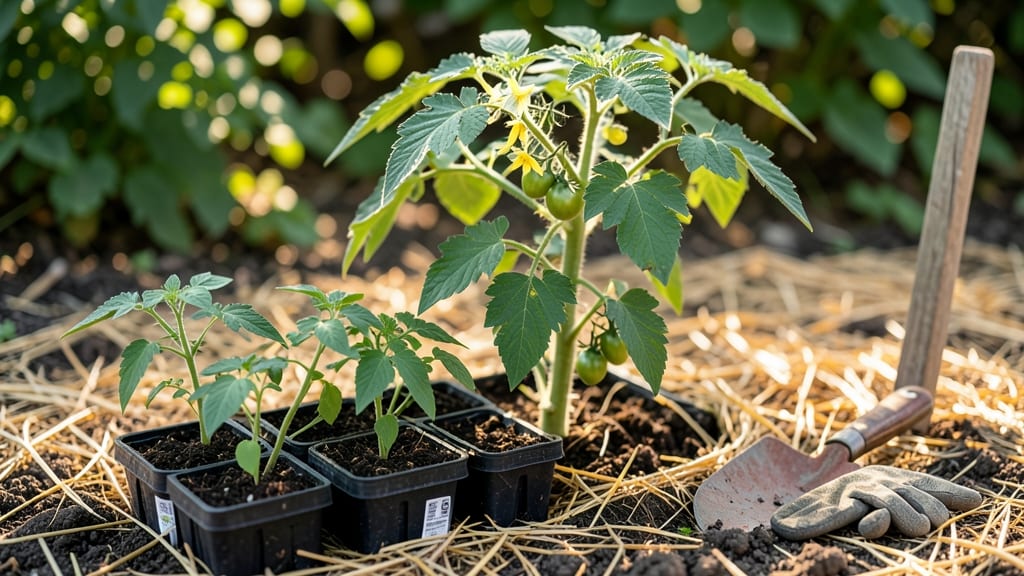
Planting tomatoes in North Carolina at the wrong time can mean the difference between a bumper crop of juicy 🍅 and a sad, frost-nipped failure. Whether you're a seasoned gardener or just starting out, getting the timing right in USDA Zones 7b and 8a is the key to success.
Most gardeners know the general rule: wait until after the last frost date to plant. But in North Carolina, that window varies dramatically from the cooler mountains to the warmer coastal plains.
In central areas like Raleigh, you can start transplanting seedlings as early as mid-April, while western regions like Asheville might need to wait until late April or even early May.
What makes this even trickier is that soil temperature matters just as much as air temperature. Tomatoes thrive when the ground stays above 60°F, which often means waiting until May in some areas.
I'll show you exactly how to time your planting—whether you're starting seeds indoors or buying established seedlings—to maximize your harvest from June through October.
Ready to grow tomatoes that taste like summer all season long? Let's break down the perfect planting schedule for your specific part of North Carolina, including when to harden off seedlings and how to protect your plants from unexpected late frosts.
Your garden's best harvest starts with these simple but crucial timing tips.
North Carolina last-frost dates by region: critical planting windows for tomatoes
North Carolina's diverse climate means your last-frost dates can vary by 100 miles. In USDA Zone 7b (Raleigh, Charlotte), expect your final frost around April 15, while Zone 8a areas (coastal regions) often see frost-free conditions by March 15.
Mountain regions like Asheville in Zone 6b may wait until May 1—knowing these dates prevents frost damage to tender tomato seedlings.
For tomatoes, the real magic happens when soil temperatures hit 60°F and nighttime temps stay above 50°F. This typically aligns with mid-April to early June across most of the state.
Early varieties can start as soon as two weeks after your last frost, while heat-tolerant types can handle June planting in cooler mountain zones.
Pro Tip: Use a soil thermometer to confirm readiness—cold soil delays growth. Black plastic mulch can raise soil temps by 5-10°F, letting you plant 1-2 weeks earlier in marginal zones.
| Region | Last Frost Date | Ideal Planting Window | Soil Temp Threshold | Notes |
|---|---|---|---|---|
| Southern NC (Zone 8a) | March 15 | Late March - Early April | 60°F+ | Longer growing season; try early varieties like 'Celebrity'. |
| Central NC (Zone 7b) | April 15 | Mid-April - Early May | 60°F+ | Classic tomato zone; perfect for heirlooms and cherry tomatoes. |
| Western NC (Zone 6b) | May 1 | Late May - Early June | 65°F+ (cooler soils) | Short season; choose fast-maturing varieties like 'Mountain Merit'. |
| Coastal NC (Zone 8a) | March 1 | Early March - Late March | 58°F+ (warmer coastal soils) | Humidity risk; use disease-resistant varieties like 'Solar Fire'. |
If you're starting seedlings indoors, begin them 6-8 weeks before your last frost date. For example, central NC gardeners should start seeds around March 1 to have robust transplants ready for April 15 planting. Use grow lights to prevent leggy seedlings—natural light alone may not provide enough intensity.
For direct sowing (planting seeds outdoors), wait until soil temps are consistently above 60°F and nighttime temps stay above 50°F. This usually means late April to early May for most of the state.
Direct-sown tomatoes may take 2 weeks longer to mature than transplants, so choose fast-maturing varieties if you're sowing late.
Don't forget about succession planting! By adding new plants every 2-3 weeks after your initial planting, you can extend your harvest from July through October. This works especially well for cherry tomatoes, which produce prolifically when given consistent care.
Watch for unpredictable late frosts, especially in Zone 7b. Keep a frost cloth handy for the first 2 weeks after transplanting. Even a light frost can kill young plants, so monitor your local weather forecasts closely.
For container growing, plant after your last frost date and use 5-gallon pots or larger. Containers warm up faster than garden beds, so you might plant 1 week earlier than in-ground plants. Just ensure pots have drainage holes to prevent root rot.
Remember: Heat waves can stress tomato plants, especially in Zone 8a. If temps exceed 90°F for prolonged periods, provide shade cloth during peak afternoon hours to protect young plants and developing fruit.
Step-by-step tomato planting timeline: from seedlings to first fruits
Timing your tomato planting in North Carolina isn’t just about avoiding frost—it’s about creating a 30-day growth sprint from transplant to first ripe tomato. My Zone 7b/8a garden follows a 6-week window from transplanting to harvest, but the real magic happens in those first critical weeks after soil warms.
Start by planting transplants (not seeds) after your region’s last frost date—typically mid-April to early May for central NC. For southern NC, you can begin as early as March 15 if using black plastic mulch to warm the soil faster.
The key is waiting until nighttime temps stay above 50°F and soil reaches 60°F.
🌱 Step-List: Tomato Planting Timeline
- Week 1: Transplant seedlings (after last frost). Bury stems 2/3 deep to encourage root growth.
- Week 2: Hardening off (if started indoors) + mulch with straw or grass clippings.
- Week 3: Add tomato cages or stakes. Water deeply at soil level.
- Week 4: First flowers appear! Fertilize with 5-10-10 (1 tbsp/plant).
- Week 5: Prune suckers (side shoots). Watch for hornworms—handpick!
- Week 6: First tomatoes ripen! Harvest regularly to boost production.
Pro tip: Use succession planting for a continuous harvest. After your first batch ripens in June or July, replant heat-tolerant varieties like ‘Celebrity’ or ‘Heatmaster’ by early June to extend your season until frost.
Adjust for late springs: If frost lingers past April 15 in central NC, opt for container growing. Pots warm faster and let you move plants to a sunny spot once soil temps rise. My 5-gallon containers with tomato saucers produce just as well as in-ground plants!
Watch for heatwaves after transplanting. If temps hit 90°F+, shade young plants with floating row covers or lightweight shade cloth until they establish roots. This prevents blossom drop and ensures a steady fruit set.
By following this timeline, you’ll beat the July heat rush and enjoy tomatoes from late June through October—just in time for salsa, sauces, and sandwiches! 🍅