
Planting
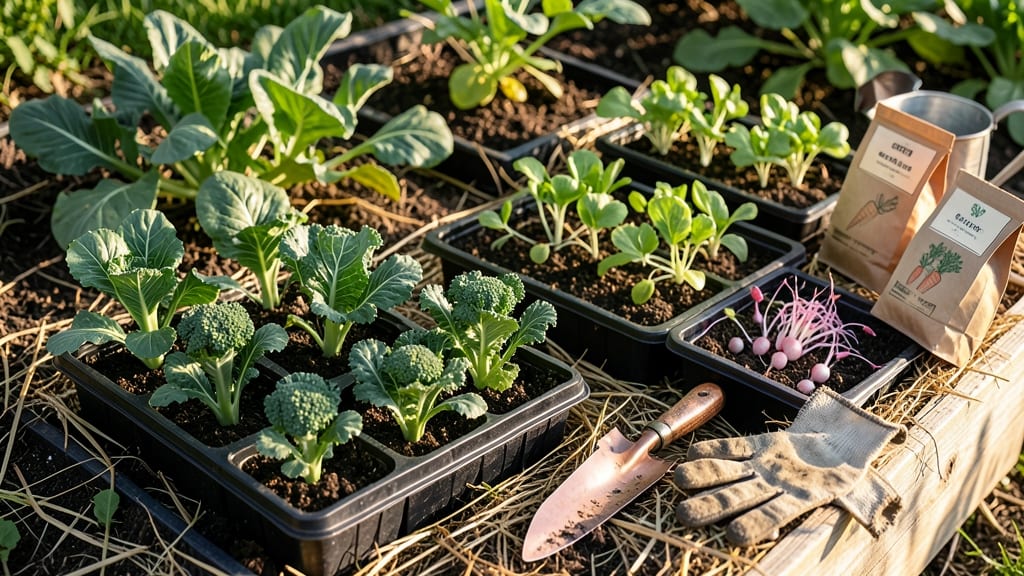
Timing when to plant a fall garden in Florida isn’t just about avoiding frost—it’s about outsmarting the heat. Plant too early, and your leafy greens bolt before they mature; too late, and you miss the sweet spot for 🥬 harvests that last until December.
The key? Understanding your microclimate—whether you’re in the Panhandle’s cooler 9a zones or the Everglades’ humid 11—so you can lock in the perfect August-October window.
Most gardeners assume Florida’s frost-free reputation means endless growing time, but that’s not the whole story. In North Florida, a surprise chill in December can still sneak up, while South Florida’s warm spells might let you push planting later.
The solution? A zone-specific strategy that balances heat tolerance with cool-season crops—think kale thriving in September while spinach waits for October’s milder days.
Here’s the game-changer: I’ll break down the exact deadlines for your corner of Florida, plus how to prep soil, space plants, and protect them from unpredictable weather. No more guessing—just a foolproof plan for a garden that keeps giving, even as the days grow shorter.
Ready to turn your backyard into a year-round harvest hub? Let’s dive into the microclimate secrets that’ll have your fall garden outpacing the neighbors’—without a single frost-related setback.
Florida’s fall planting zones: exact dates by microclimate for zero-frost success
Florida’s fall gardening season starts earlier in the Panhandle and stretches later in the Everglades, thanks to the state’s diverse microclimates. Unlike northern states, Florida rarely faces frost, but heat stress and humidity can still challenge your crops.
The key is planting at the right time to avoid bolting (premature flowering) or stunted growth from lingering summer heat.
Use these USDA zone adjustments to time your fall garden perfectly. North Florida (Zone 8a-9a) has cooler nights by September, while South Florida (Zone 10a-11) can plant well into October. Central Florida (Zone 9a-9b) falls in between, with ideal windows spanning August through October.
🌱 Pro Tip: Check your local average first frost date—even if rare, North Florida may see light frosts by mid-December. Plant frost-sensitive crops like spinach or lettuce 6-8 weeks before this date, while heat-tolerant varieties like kale or collard greens can handle later starts.
In North Florida, start planting broccoli and carrots by late August to avoid heat stress. These crops thrive in cooler temperatures but can bolt if planted too early.
For Central Florida, aim for mid-August to ensure your Swiss chard and beets mature before temperatures dip—though frost is still unlikely.
South Florida gardeners have the longest window, with okra and sweet potatoes tolerating late starts into November. However, even here, cabbage and Brussels sprouts need cooler weather to develop properly. Plant these by early October to avoid stunted growth from lingering summer heat.
Monitor your local weather patterns—Florida’s fall can bring sudden cool fronts or unexpected heatwaves. Use shade cloth for early plantings in August to protect seedlings from intense sun, while row covers can extend the season into December for frost-sensitive crops in North Florida.
For succession planting, sow leafy greens like lettuce every 2-3 weeks from September onward. This ensures a continuous harvest before potential frost (though it’s rare). In South Florida, you can even plant a winter garden in December for early spring harvests.
🌿 Key Takeaway: Florida’s fall garden success hinges on microclimate awareness. North Florida plants early (August), Central Florida follows suit (mid-August), and South Florida enjoys a later start (July-November). Adjust for heat-tolerant vs. frost-sensitive crops to maximize your harvest.
How to adjust planting for Florida’s unpredictable fall weather patterns
Florida’s fall weather is famously unpredictable—one day it’s 90°F, the next 70°F with a chance of light frost in North Florida. To avoid bolting or frost damage, you’ll need a flexible strategy.
Start by monitoring your local weather forecasts and adjusting planting dates based on soil temperatures, not just air temps. For example, if your Panhandle garden hits 85°F in September, opt for heat-tolerant varieties like Southern peas or okra instead of lettuce.
Soil cooling is your secret weapon. Use black plastic mulch or straw mulch to lower ground temps by 10-15°F—this buys you 2-3 extra weeks of planting time. For seedlings like broccoli or cauliflower, transplant them into shade cloth tents until nighttime temps drop below 80°F.
This trick works especially well in Central Florida, where September heat lingers longer.
Avoid These Fall Planting Mistakes
- ❌ Planting frost-sensitive crops (like spinach) after mid-October in North Florida.
- ❌ Skipping row covers when nighttime temps dip below 60°F.
- ❌ Overwatering seedlings during humid Florida falls, which invites fungal diseases.
Row covers are a game-changer for extending your fall harvest. Lightweight frost cloth can protect tender crops like lettuce or radishes down to 28°F, while insect netting keeps pests at bay.
In South Florida, where frost is rare, focus on shade cloth to prevent heat stress during late summer planting. For example, if you’re sowing carrots in August, use 30% shade cloth until soil temps drop below 85°F.
Transplanting seedlings is another critical skill. Harden off your starts by gradually exposing them to outdoor conditions for 5-7 days before planting. In North Florida, aim to transplant by mid-September for a zero-frost harvest.
For South Florida, you can push planting into early November—just be ready to cover crops if a rare cold snap hits. Always plant in the late afternoon to reduce transplant shock from midday heat.
Don’t forget about succession planting! Florida’s fall season is short, so stagger your planting dates every 2-3 weeks to ensure a continuous harvest. For example, sow bush beans in August, kale in September, and spinach in October.
This way, you’ll always have fresh homegrown veggies without gaps. Use a gardening journal to track planting dates, soil temps, and harvest times—it’s the best way to refine your strategy year after year.
Finally, stay alert for unexpected weather shifts. Florida’s fall hurricanes or cold fronts can derail your garden overnight. Keep a backup supply of seeds and a portable greenhouse or pop-up tunnel on hand. With these adjustments, you’ll turn Florida’s unpredictable fall into your garden’s most productive season yet. 🌱