Planting
Timing when to plant a fall garden in Louisiana isn’t just about avoiding frost—it’s about beating the heat while the soil’s still warm enough for seeds to sprout. Skip the window, and you’ll end up with bitter greens or stunted roots before the first chill hits.
The secret? Planting 6-8 weeks before your local frost date, but with Louisiana’s unpredictable weather, even that can feel like a moving target.
Here’s the game-changer: Louisiana’s heat zones (8a-9b) mean your neighbors might be harvesting crisp collards while you’re still waiting for your lettuce to germinate. Whether you’re in New Orleans or Shreveport, the right timing ensures your 🥬 fall garden vegetables mature just as temperatures drop—no wasted effort, no bolted kale.
Let’s break down the exact dates (and tricks) to lock in a harvest before winter takes over.
You’ve got options beyond the usual “plant in September” advice. Some crops—like heat-tolerant radishes or quick-maturing spinach—can handle late starts, while others (think broccoli or carrots) need a head start indoors.
I’ll show you how to match your plants to your zone, plus how to stretch your season with row covers and succession planting so you’re still harvesting in December.
Ready to ditch the guesswork? By the end, you’ll know not just when to plant, but which crops to prioritize, how to prep your soil for cooler temps, and how to protect your harvest from Louisiana’s infamous “false frost” scares. Let’s get those seeds in the ground the right way.
Louisiana heat zone planting calendar: exact fall planting dates by region
Louisiana’s three distinct heat zones (9A, 8B, and 7A) create unique planting windows for fall gardens. The key is planting 6-8 weeks before your first frost date, which typically arrives between mid-November and early December.
In Zone 9A (southern Louisiana), you’ve got more time—think late August to early October—while Zone 7A (northern Louisiana) demands earlier action, starting in early August.
For all zones, soil temperatures below 85°F signal it’s time to plant cool-season crops. Use a soil thermometer to confirm—hotter soil can delay germination or cause seed rot. My rule of thumb? When daytime highs dip to 90°F or lower, it’s safe to start sowing.
🌱
Zone 9A gardeners have the luxury of a longer fall window, but don’t wait too late—September 15th is my cutoff for direct-sowing leafy greens. In Zone 7A, I recommend starting heat-tolerant varieties like Malabar spinach or Southern cowpeas as early as July to beat the heat.
For all zones, transplants (like broccoli or cabbage) should go in 4-6 weeks before frost to ensure mature harvests.
Pro tip: Use shade cloth for early August plantings in hotter zones to protect seedlings from intense afternoon sun. I’ve seen 50% germination failure in radishes when sown too early without shade. A 30-50% shade cloth works wonders during those 95°F+ days.
🌿
Don’t overlook succession planting—this is where Louisiana gardeners shine. For example, sow radishes every 2 weeks from August through October. They mature in 25-30 days, giving you a steady harvest while protecting your soil from erosion.
Meanwhile, broccoli and cabbage take longer (60-80 days), so I plant them in early September for a late-November harvest.
One common mistake? Planting cool-season crops too late and expecting them to survive Louisiana’s unpredictable cold snaps. Even in Zone 9A, temperatures can drop to 32°F by November.
That’s why I always keep frost cloth on hand—it adds 4-6°F of protection and can mean the difference between a crisp harvest and a frozen mess.
🪴
For root vegetables like carrots and beets, aim for soil temperatures below 80°F at planting time. These crops bolt (go to seed) quickly when stressed by heat. I’ve had carrots flower prematurely when sown in 85°F soil—a total waste of effort.
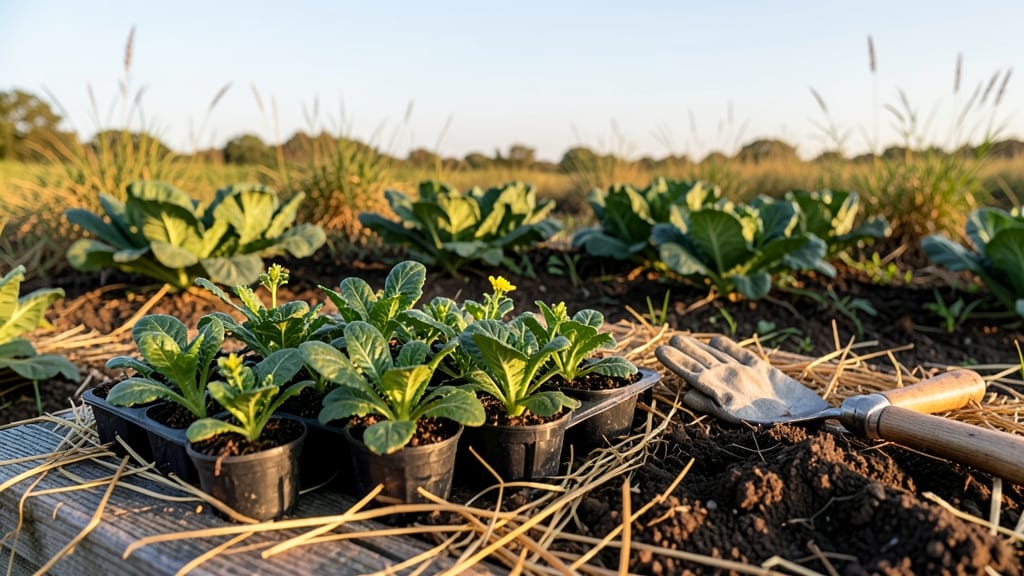
To prevent this, I always water deeply before planting to cool the soil and use mulch (straw or pine needles) to maintain even temperatures.
Finally, remember that Louisiana’s humidity plays a role too. Fungal diseases like downy mildew thrive in fall’s damp conditions. That’s why I space plants properly (follow seed packet guidelines) and avoid overhead watering after 4 PM. A drip irrigation system is a game-changer for fall gardens here.
✂️
How to adjust planting dates for Louisiana’s unpredictable weather patterns
Louisiana’s fall weather can be as unpredictable as a summer storm—one day scorching, the next chilly with an early frost threat. The key to success? Flexible planting strategies that account for heat lingering into September and sudden cold snaps by October.
I’ve learned the hard way that rigid planting dates don’t work here; instead, I adjust based on soil temperature, heat waves, and historical frost data for my specific region.
Start by checking your local frost dates—North Louisiana (Zone 7A) typically sees frost by mid-November, while South Louisiana (Zone 9A) might wait until early December. But don’t rely solely on averages!
Use a soil thermometer to confirm when temps drop below 70°F—the magic threshold for cool-season crops like lettuce and spinach. If your soil stays above 80°F past Labor Day, hold off on planting until conditions cool.
Here’s my pro tip: Plant heat-tolerant varieties first, like Malabar spinach or Southern peas, which can handle 90°F soil better than traditional greens. These act as a buffer while you wait for cooler temps to plant broccoli or kale.
I’ve extended my harvest by 3-4 weeks using this two-phase approach in Zone 8B (Baton Rouge area).
Don’t forget to mulch heavily with straw or leaves to insulate soil and roots. In my Zone 8B garden, mulch kept soil temps 10°F warmer during a 28°F night in November, preventing root damage to carrots and beets.
For extra protection, I’ve used black plastic mulch under row covers to trap heat during the day and release it slowly at night.
Finally, keep a gardening journal to track your local patterns. Note when you planted, how long it took to germinate, and any weather anomalies.
After three years of recording, I can now predict with 90% accuracy when to plant for a frost-free harvest** in my area—something no calendar can do alone. The more you adapt, the more resilient your fall garden becomes. 🌱