
Plants
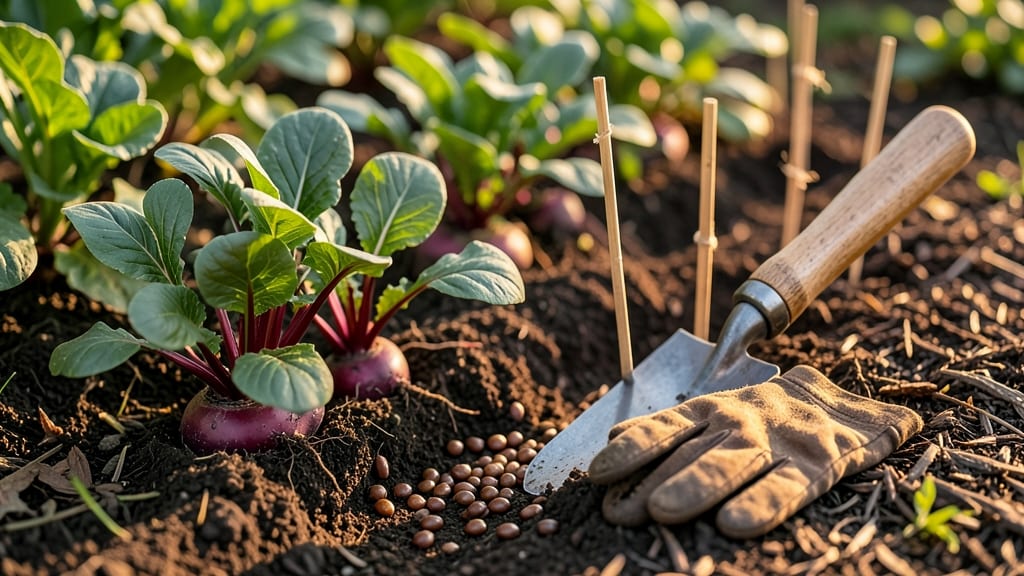
Knowing when to plant fall beets in Zone 6 could mean the difference between a bountiful harvest and wasted effort. The 🍠 thrives in cooler weather, but timing is critical—get it wrong, and you’ll either miss the sweetest roots or lose them to frost before they’re ready.
For Zone 6 gardeners like you, the ideal window is late summer to early fall, specifically between August and September. This gives beets enough time to mature before the first frost hits, usually around mid-October.
Planting too early risks bolting, while waiting too long means smaller, less flavorful roots.
But here’s the secret: 75 to 90 days before your first frost is the golden rule. That means if your frost date is October 15, aim to plant by late July to early August. This timing ensures your beets reach peak sweetness before winter sets in.
Ready to grow perfect fall beets? I’ll walk you through the exact steps—from soil prep to frost protection—so you can enjoy homegrown 🍠 all season long. Let’s get started.
Best planting weeks for fall beets in Zone 6 before frost
In Zone 6, your fall beet success hinges on precise timing. Beets need 50–70 days to mature, so aim to plant seeds 75–90 days before your first frost—typically between mid-August and early September. This window ensures roots swell before winter’s chill sets in.
Miss this window, and you risk woody, bitter roots or frost damage. Use your average first frost date (usually mid-October in Zone 6) as your anchor. For example, if frost hits October 15, plant seeds by August 15 for a reliable harvest.
Here’s the Zone 6 planting countdown to avoid common mistakes. The table below breaks down ideal planting weeks, maturity timelines, and frost risk levels—so you can plan with confidence.
| Planting Window | Days to Maturity | Frost Risk | Harvest Window |
|---|---|---|---|
| Late July – Early August | 70–80 days | Low (early frost risk) | Mid-September – October |
| Mid-August – Early September | 50–60 days | Moderate (ideal) | Late September – November |
| Late September | 30–40 days | High (late frost risk) | October – Early November |
For early varieties like ‘Early Wonder’, plant by August 1 to harvest in September before hard frost. Mid-season types (e.g., ‘Detroit Dark Red’) thrive when sown by August 15, yielding in October.
Always check seed packets for specific maturity days—some take 40 days, others 70.
Soil temperature matters too. Beets grow best in 50–70°F soil. In Zone 6, soil stays warm enough for planting until late August. Use a soil thermometer to confirm—if temps drop below 50°F, wait a week or two. Cool soil slows germination and stunts root growth.
Pro tip: Succession plant every 2 weeks from mid-July to mid-August for a staggered harvest. This spreads out your effort and ensures fresh beets all fall. For example, plant July 15, August 1, and August 15 for harvests in September, October, and November, respectively.
Adjust for your microclimate. Gardens in valleys or low areas frost earlier—plant 2 weeks earlier than the table suggests. Conversely, south-facing beds stay warmer; you can push planting to early September safely. Observe nearby plants like kale or spinach, which are frost-tolerant indicators.
Finally, mark your calendar with these key dates:
- August 1–15: Ideal window for most varieties
- September 1: Last chance for late-season types
- October 15: Hard frost cutoff (harvest before this!)
With this Zone 6-specific timeline, you’ll avoid the two biggest mistakes: planting too early (leading to bolting) or too late (risking frost damage). Sweet, tender beets are just 75 days away—start your countdown today! 🍠
Best planting weeks for fall beets in Zone 6 before frost
In Zone 6, the first frost typically arrives around mid-October, giving you a narrow but critical window to plant fall beets. To ensure a successful harvest, aim to sow seeds 75–90 days before frost.
This translates to late July to early August for most varieties, allowing roots to mature before winter sets in.
Beets thrive in cool weather but need time to develop sweet, tender roots. Planting too early in summer can lead to bolting or tough roots, while waiting too long risks frost damage. The key is balancing temperature and daylight hours for optimal growth.
📅 Zone 6 Frost Countdown: Use this timeline to pinpoint your ideal planting window based on your local first frost date. Adjust for early or late varieties as needed.
| Planting Window | Days Before Frost | Soil Temp (°F) | Notes |
|---|---|---|---|
| Late July | 90 days | 60–70°F | Best for late varieties; avoid bolting |
| Early August | 75 days | 65–75°F | Ideal for most varieties; sweetest roots |
| Mid-August | 60 days | 60–70°F | Risk of early frost; use row covers |
For early varieties like ‘Babybeat’, you can push the window to early September (60 days before frost), but monitor soil temperatures closely. If nights dip below 50°F, growth slows dramatically. Use a soil thermometer to confirm readiness—ideal temps are 60–70°F.
Pro tip: Succession plant every 2 weeks in late July and August to stagger your harvest. This ensures a steady supply of beets before frost, even if the first planting bolts or struggles in heat. Thin seedlings to 3–4 inches apart once they’re 2 inches tall to avoid competition.
Always check your local frost dates—they can vary by 1–2 weeks within Zone 6. Websites like Almanac.com or your local Cooperative Extension office provide precise data. Planting at the right time guarantees sweet, crisp beets instead of woody or frozen ones.