
Plants
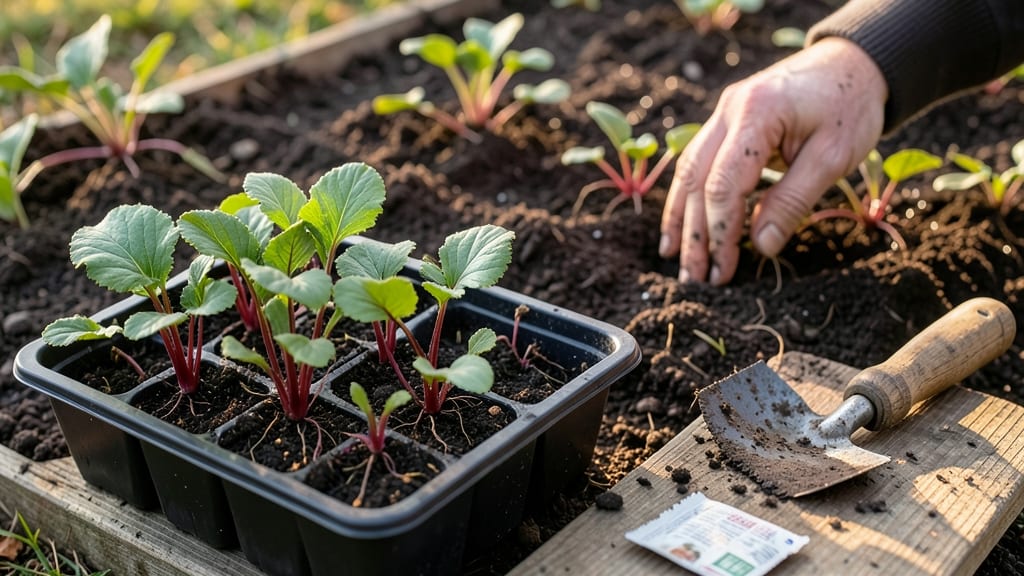
Timing your fall beet planting just right can mean the difference between sweet, tender roots and tough, bitter ones. The secret lies in planting 4-6 weeks before your first frost—a narrow window that ensures your 🍠 beets mature before winter freezes them solid.
If you're in USDA Zone 6a (like many gardeners in the Midwest and Northeast), that means starting seeds around late August to early September.
This gives your beets 60-70 days to grow before the ground freezes, but don’t wait too long—planting too late risks small, woody roots that won’t be worth harvesting.
Why does this timing matter so much? Fall-planted beets develop deeper sweetness when exposed to cooler temperatures, but they need consistent warmth to germinate and grow.
I’ll walk you through exactly how to calculate your perfect planting window, plus pro tips for extending your harvest into winter with row covers and mulch.
Ready to grow beets that taste like summer even as the leaves change? Let’s break down the exact steps to nail your fall planting and avoid common mistakes that ruin the harvest.
The exact 4-Week window before first frost for fall beet planting
Timing is the secret to growing sweet, tender fall beets. Plant too early, and your roots will bolt or become woody. Too late, and frost will ruin your crop.
The ideal window is 4-6 weeks before your first frost date, giving beets enough time to mature before winter sets in.
Beets need 60-70 days to reach harvest size, so calculate backward from your frost date. For example, if your first frost is October 15, aim to plant by September 1-15. This ensures roots reach 1-3 inches in diameter before cold weather arrives.
Your USDA hardiness zone plays a big role. In Zone 5-6, plant between August 15-September 15. Gardeners in Zone 7-8 have more flexibility, with a window from September 1-October 1. Always check your local frost dates for precision.
Soil temperature matters too. Beets grow best when soil stays above 45°F (7°C). If nights dip below this, roots will grow slowly or rot. Use a soil thermometer to confirm conditions before planting.
Pro tip: Extend your window by using row covers or cold frames. These protect plants from light frosts, letting you plant up to 2 weeks later than the standard window.
| USDA Zone | First Frost Date | Planting Window | Notes |
|---|---|---|---|
| Zone 3-4 | October 1-15 | August 15-September 1 | Shortest window; use row covers |
| Zone 5-6 | October 15-November 1 | August 15-September 15 | Standard fall window |
| Zone 7-8 | November 15-December 1 | September 1-October 1 | Longer season; can plant later |
| Zone 9-10 | December 15-January 1 | September 15-November 1 | Plant until soil cools |
Adjust your planting date if you experience early or late frosts. Check your local National Weather Service or Almanac for 10-year averages. If frost arrives 2 weeks early, plant 2 weeks sooner to compensate.
For cold-hardy varieties like 'Detroit Dark Red' or 'Golden', you can push the envelope slightly. These types tolerate light frosts and may survive 20°F (-7°C) if mulched heavily. Always prioritize root maturity over frost tolerance.
Remember: Soil prep is just as critical as timing. Loosen soil to 12 inches deep and mix in compost for sweet, fast-growing roots. Avoid fresh manure—it can cause bolting or uneven growth.
Start seeds indoors 4-6 weeks before your outdoor planting date if your climate is unpredictable. Transplant seedlings outdoors when they’re 2-3 inches tall and soil is warm.
With this 4-week window and a little planning, you’ll harvest sweet, crisp beets all fall long—no tough, woody surprises! 🌱
The exact 4-Week window before first frost for fall beet planting
Timing your fall beet planting is all about beating the frost while giving roots time to mature. Beets need 60-70 days to reach harvest size, so count backward from your first frost date.
In USDA Zone 6a, that’s typically mid-September to early October, but adjust for your local climate.
For example, if your frost date is October 15th, aim to plant by September 15th. This ensures beets have 4-6 weeks of warm soil to develop before temperatures drop. Cooler soil slows growth, so prioritize planting when soil temps stay above 50°F (10°C).
Use this 4-week rule: Plant your final batch 4 weeks before frost to guarantee tender roots. Earlier plantings (like late August) give you a head start, but watch for bolting—beets may flower prematurely in heat.
| Region (USDA Zone) | First Frost Date | Ideal Planting Window | Soil Temp Goal |
|---|---|---|---|
| Zone 3-4 | Late September | Mid-August to early Sept | 55°F+ (13°C+) |
| Zone 5-6 | Mid-October | Late August to Sept 15 | 50°F+ (10°C+) |
| Zone 7-8 | Late November | September to early Oct | 55°F+ (13°C+) |
Check your local frost dates via the USDA Plant Hardiness Zone Map or ask your local Cooperative Extension office. For example, Denver (Zone 5) has a frost date of October 10th, so plant by September 1st for a 10-week growing season.
If your fall is unpredictable, opt for cold-hardy varieties like 'Detroit Dark Red' or 'Golden', which tolerate light frosts better than 'Chioggia'. Always plant in well-draining soil to prevent rot during cool, damp conditions.
Pro tip: Use a soil thermometer to confirm temps—60°F (15°C) is ideal for germination. If soil is cooler, wait or use black plastic mulch to warm it faster.