
Plants
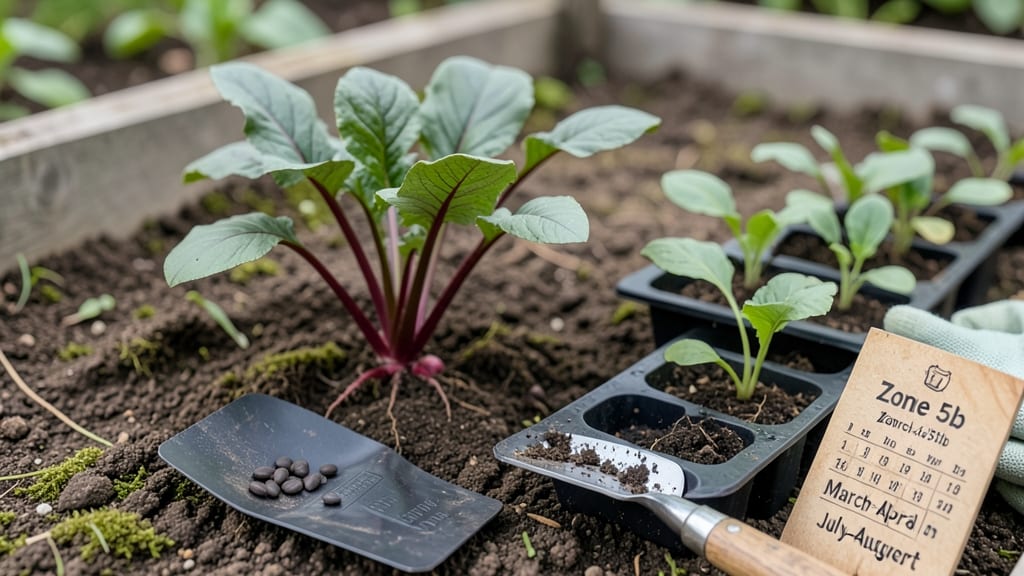
Knowing when to plant beets in Zone 5b can mean the difference between a bumper crop of sweet, tender roots and a disappointing harvest.
Unlike some vegetables, beets 🍠 thrive in cooler temperatures, but timing is everything—plant too early, and you risk bolting; too late, and your harvest shrinks before the first frost.
In Zone 5b, where last frost typically hits around May 10, the ideal planting window opens in March and stretches into early April for spring harvests. But don’t stop there—fall plantings in August can extend your harvest into November, giving you crisp roots well past summer’s heat.
What makes this timing so critical? Beets grow best in soil between 40°F and 80°F, and Zone 5b’s unpredictable weather demands precision. Whether you’re a first-time gardener or a seasoned pro, mastering these windows ensures you’ll enjoy homegrown beets that outshine anything you’ve bought at the store.
Ready to unlock the secrets? I’ll walk you through the exact weeks to plant, how to adjust for late frosts, and even which varieties perform best in your climate. Let’s get those roots growing!
Zone 5b beet planting calendar: exact weeks before last frost for success
Mastering the Zone 5b beet planting calendar means knowing your last frost date—typically around May 10—and working backward. Beets thrive when soil temperatures hit 40-50°F, which usually occurs in early spring (March) and late summer (August).
Planting too early risks cold soil, slowing germination, while late plantings may yield smaller roots before frost.
For spring beets, aim to sow seeds 4-6 weeks before your last frost. In Zone 5b, that’s mid-to-late March.
This gives roots time to mature before summer heat sets in. Fall plantings should start 8-10 weeks before the first frost (October 10), meaning early August for a late-season harvest.
🌱 Pro Tip: Use a soil thermometer to confirm temperatures. Beets won’t germinate well below 40°F, even if the air feels warmer.
| Planting Window | Soil Temp (°F) | Days to Harvest | Root Size Goal |
|---|---|---|---|
| Spring: March 15–April 15 | 40–50°F | 50–60 days | 1.5–3 inches |
| Fall: August 1–September 1 | 50–70°F | 45–55 days | 1–2.5 inches |
📅 Key: Adjust dates ±1 week based on your exact last frost date (check USDA maps).
Early spring plantings (before April) risk bolting—when beets flower prematurely—due to longer daylight. Late spring plantings (after April 15) may produce smaller roots before summer heat stresses the plants. Fall beets benefit from cooler temps, yielding sweeter roots if harvested before hard frost.
🌡️ Soil Temperature Matters: Beets need consistent warmth to grow. If soil temps dip below 40°F, germination stalls. Use black plastic mulch to warm soil faster in spring or straw mulch to retain heat in fall.
For extended harvests, practice succession planting: Sow new seeds every 2–3 weeks from March to July. This ensures a steady supply of tender, young beets instead of a single large harvest. Detroit Dark Red and Golden varieties are bolt-resistant and ideal for staggered plantings.
🌿 Zone 5b Challenge: Unpredictable late frosts can damage seedlings. Use row covers or cold frames for early plantings, and monitor 10-day forecasts to adjust timing.
Harvest timing also affects flavor. Spring beets grown in cooler weather develop milder, crisp roots, while fall beets exposed to light frosts convert starches to sugars, making them sweeter and deeper in color. Plan accordingly!
✂️ Final Tip: Thin seedlings to 3–4 inches apart once they’re 2 inches tall. This prevents competition and ensures larger, uniform roots at harvest.
Zone 5b beet planting calendar: exact weeks before last frost for success
In Zone 5b, your beet planting success hinges on two critical windows: spring (March–April) and fall (August–September). The last frost date—typically around May 10—marks your spring deadline, while the first frost (October 10) defines your fall harvest timeline.
Planting too early risks bolting (when beets flower prematurely), while late plantings yield smaller roots.
For peak results, aim to sow beets 4–6 weeks before your last frost in spring. This gives them time to establish roots before soil temperatures climb above 80°F, which stresses the plants.
Fall plantings should start 8–10 weeks before your first frost to ensure a full harvest before winter sets in.
Here’s the breakdown you need to nail your timing:
| Planting Window | Soil Temp | Days to Harvest | Harvest Months |
|---|---|---|---|
| Spring: March 1–April 15 | 40–65°F | 50–70 days | June–July |
| Fall: August 1–September 15 | 50–75°F | 45–60 days | October–November |
🌱 Pro Tip: Use row covers to extend spring plantings by 2–3 weeks if frost threatens.
Zone 5b’s unpredictable weather adds complexity. Late frosts in April or early heatwaves can derail your plan, so always monitor soil temperatures (not air temps) using a soil thermometer. Beets thrive in 50–75°F soil, but temperatures above 80°F trigger bolting, especially in varieties like 'Detroit Dark Red'.
For a continuous harvest, adopt succession planting: Sow seeds every 2–3 weeks from March to June. This ensures a steady supply of young, tender beets while older ones mature. In fall, repeat the process from August to September for a late-season bounty.
Don’t overlook bolt-resistant varieties like 'Golden' or 'Chioggia', which tolerate wider temperature swings. Pair them with mulch to stabilize soil temps and retain moisture during dry spells—critical in Zone 5b’s fluctuating climate.