
Plants
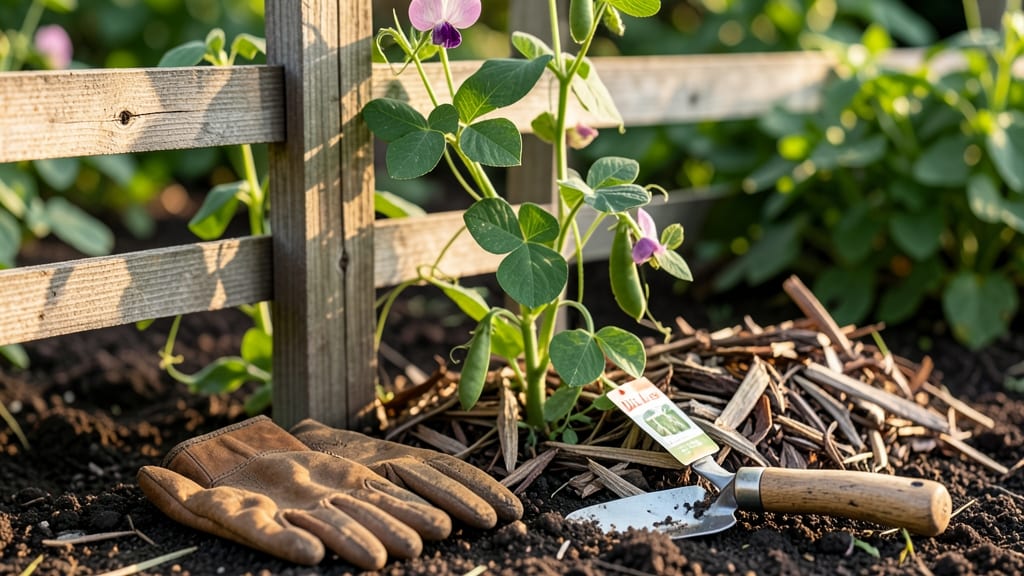
Knowing when to plant Dixie Lee peas in NC can mean the difference between a garden full of sweet, tender pods and a disappointing harvest. These Southern favorites thrive in North Carolina’s climate, but timing is everything—get it wrong, and you’ll miss the window for those prized 60-day harvests.
Whether you’re in the cooler mountain regions of Zone 6b or the warmer Coastal Plain of 8a, planting too early risks frost damage, while waiting too long cuts your harvest short.
The key is understanding your local frost dates and soil temperatures, which can vary by weeks across the state.
I’ll break down the exact planting windows for both spring and fall crops, plus pro tips to extend your harvest season. From soil prep to companion planting, you’ll learn how to give your Dixie Lee peas the best possible start for a bountiful garden.
Ready to grow peas that taste like summer? Let’s get those seeds in the ground at the perfect time for your NC garden.
North Carolina’s exact planting windows for Dixie Lee peas by region
North Carolina’s diverse climate—from the cool Mountains to the humid Coastal Plain—means Dixie Lee peas thrive in different windows. The key is planting 4-6 weeks before your region’s last frost date, with soil temps at 60°F+ for germination.
Let’s break it down by zone to avoid frost damage and maximize your harvest.
For Mountain regions (USDA Zones 6b-7a), like Asheville or Boone, aim for March 15–April 15. These areas have later frosts, so don’t rush—wait until soil warms. In Piedmont (Zones 7b-8a), including Raleigh and Greensboro, plant March 1–April 10.
Coastal Plain gardens (Zones 8a-8b), like Wilmington or Fayetteville, can start February 20–March 20.
Here’s the comparison-table with exact weeks before last frost for each NC region, plus late-summer planting tips for a fall harvest:
| Region | Last Frost Date | Planting Window (Spring) | Late-Summer Planting | Harvest Window |
|---|---|---|---|---|
| Mountains (Asheville, Boone) | April 15 | March 15–April 1 | July 15–August 15 | May–June & Sept–Oct |
| Piedmont (Raleigh, Greensboro) | March 31 | March 1–March 25 | July 1–August 10 | April–May & Aug–Sept |
| Coastal Plain (Wilmington, Fayetteville) | March 15 | February 20–March 15 | June 20–July 15 | March–April & July–Aug |
For a fall harvest, plant Dixie Lee peas in late July or August, giving them 60–70 days to mature before the first frost. In the Mountains, aim for July 15–August 15; in the Coastal Plain, you can push it to August 10.
Just monitor soil temps—they should stay above 55°F for consistent germination.
If you’re in a transition zone (like the Sandhills), err on the side of late planting. These areas can have unpredictable frosts, so wait until mid-March for spring plantings. Use row covers if early frosts threaten—this adds 2–3 weeks of protection for young seedlings.
Remember, Dixie Lee peas are cool-season crops, but they’ll bolt (go to seed) if temps hit 85°F+. In the Coastal Plain, late-summer plantings might struggle in August heat, so provide afternoon shade with a lightweight shade cloth if needed.
For urban gardens or containers, stick to the earlier planting windows (March in Piedmont, February in Coastal Plain). Containers heat up faster, so monitor soil moisture closely. If your balcony gets hot afternoon sun, water twice daily during July–August plantings.
Now that you’ve got the timing nailed down, your next move is soil prep. Dixie Lee peas prefer well-draining, slightly acidic soil (pH 6.0–7.0). In the sandy Coastal Plain, mix in compost or aged manure to retain moisture.
In the clay-heavy Piedmont, amend with sand or perlite for better drainage.
With these region-specific windows, you’re set for a bountiful harvest—whether you’re in the cool Mountains or the warm Coastal Plain. Next, we’ll dive into microclimate adjustments to fine-tune your planting even further.
How to adjust planting for North Carolina’s microclimates and soil conditions
North Carolina’s diverse geography—from the cool Blue Ridge Mountains to the sandy Coastal Plain—means your Dixie Lee peas might thrive in one area but struggle just 50 miles away. Adjusting for microclimates and soil types is key to avoiding stunted growth or poor yields.
For example, mountain gardens often face later frost dates, while urban containers dry out faster. Let’s break down how to tailor your approach.
Start by testing your soil’s pH—Dixie Lee peas prefer a slightly acidic to neutral range (6.0-7.0). If your soil is too sandy (common in the Coastal Plain), mix in 2-3 inches of compost to retain moisture and nutrients.
In clay-heavy Piedmont soils, amending with organic matter improves drainage. A simple soil test from your local NC Cooperative Extension office can save you guesswork and wasted seeds.
🌱 Visual Tip: Use a soil moisture meter to check drainage—sandy soils need frequent watering, while clay holds moisture longer. Aim for consistent dampness (not soggy) to prevent root rot.
| Microclimate | Soil Adjustments | Planting Tip |
|---|---|---|
| Mountains (USDA 6b) | Add compost to rocky soil | Plant after May 1 to avoid late frosts |
| Piedmont (USDA 7a) | Loosen clay with sand/compost mix | Use black plastic mulch to warm soil |
| Coastal Plain (USDA 8a) | Mulch heavily to retain moisture | Plant February-March for early harvests |
| Urban Containers | Use potting mix with perlite | Water daily in summer—containers dry fast |
For urban gardeners, container planting works but requires extra care. Choose pots with drainage holes and use a lightweight potting mix (avoid heavy garden soil). Dixie Lee peas need 6+ hours of sun daily, so place containers near south-facing walls or use reflective surfaces to maximize light.
If your balcony gets afternoon shade, opt for dwarf varieties or extend the season with row covers.
Companion planting can also mitigate local challenges. Pair Dixie Lee peas with radishes or carrots to improve soil structure, or plant near basil or marigolds to deter pests like pea aphids. In windy Coastal Plain areas, trellis vines to prevent lodging.
And if your garden faces deer pressure (common in rural NC), encircle plants with chicken wire or use deer-resistant companions like onions.
🌿 Pro Tip: In hot summer months, provide afternoon shade for peas to prevent bolting (premature flowering). A simple shade cloth or dappled shade from taller plants can buy you 2-3 extra weeks of harvestable pods.
Finally, monitor your plants for yellowing leaves, a sign of nitrogen deficiency in sandy soils. Top-dress with alfalfa meal or a light 10-20-10 fertilizer if needed—but avoid over-fertilizing, as peas fix their own nitrogen.
By adapting to your local conditions, you’ll turn NC’s challenges into opportunities for sweeter, more abundant harvests.