
Plants
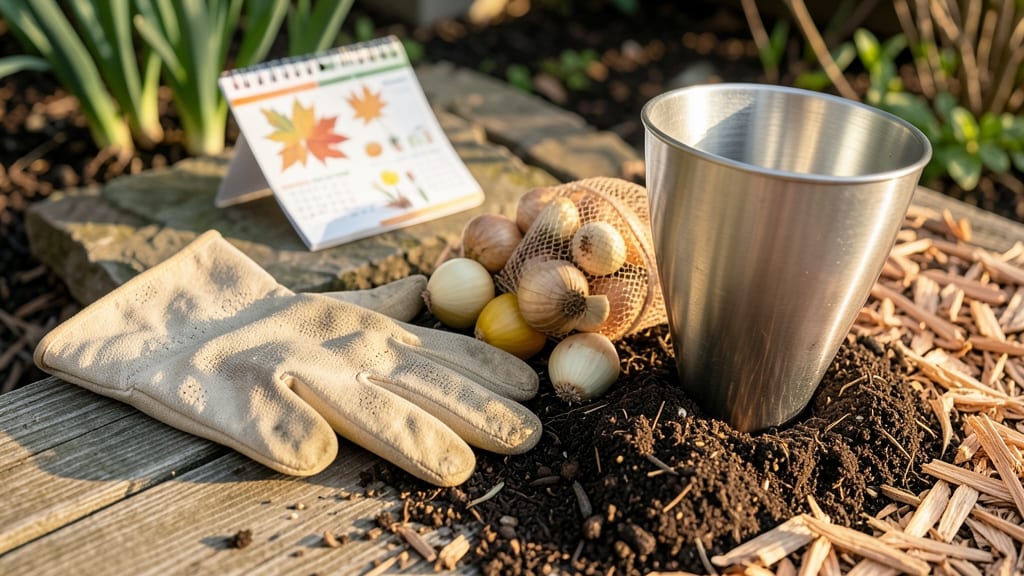
If you're dreaming of bright yellow blooms lighting up your Massachusetts garden next spring, timing your daffodil planting is the key to success. The perfect window opens in October—when soil temperatures drop but the ground stays workable—giving these cold-hardy bulbs time to root before winter sets in.
Massachusetts gardeners know that planting too early risks rot, while waiting too late can leave bulbs vulnerable to frost. With USDA Zones 5b-7a bringing unpredictable October weather, knowing the exact deadlines for your specific zone makes all the difference between a thriving spring display and wasted effort.
I’ll break down the ideal October planting dates, soil prep secrets, and post-planting care tips tailored to Massachusetts’ climate. Whether you’re a seasoned gardener or just starting, these insights will help you plant with confidence and watch your 🌼 daffodils flourish.
Ready to transform your fall gardening into a spring spectacle? Let’s get those bulbs in the ground at the perfect moment for maximum bloom power.
Massachusetts daffodil planting deadlines by Zone & exact October dates
Daffodils thrive in Massachusetts because they love our cool fall temperatures and freezing winters. But timing is critical—plant too early, and your bulbs may sprout prematurely before winter sets in. Plant too late, and they won’t establish strong roots before the ground freezes.
The ideal window is 4-6 weeks before your first hard frost, which typically lands in mid-October across most of the state.
Massachusetts spans USDA Zones 5b-6a, with Western MA (Zone 5b) facing earlier frosts than Coastal MA (Zone 6a). For example, Springfield usually hits frost by October 15, while Boston may wait until October 25.
This means your planting deadline shifts from September 25 in the west to October 10 near the coast.
Here’s the key rule: Soil temperature should be below 60°F (15°C) but not yet frozen. Use a soil thermometer to check—if it’s consistently below 50°F (10°C) at night, it’s time to plant.
In Zone 5b, this usually happens by October 1, while Zone 6a gardeners can often wait until October 15.
For container planting, you have a slightly longer window because pots insulate bulbs better. However, avoid planting after November 1—the roots won’t have enough time to establish before winter.
If you miss the deadline, wait until early spring (March) for a second chance, though blooms may be smaller or delayed.
Pro tip: Check your local frost date using the National Weather Service or Old Farmer’s Almanac. In 2023, for example, Boston’s first frost came 10 days earlier than average, catching many gardeners off guard.
Always plant at least 3 weeks before your area’s average frost date to be safe.
If you’re planting in late October, choose larger bulbs (size 12+)—they have more stored energy to survive the rush. Smaller bulbs (size 8 or below) need extra time to root, so plant them at least 6 weeks before frost.
For mass planting, like under trees or in large borders, prioritize early October to ensure even growth.
One common mistake is waiting for perfect weather—don’t! Plant even if light rain is forecast. Daffodils prefer cool, moist soil when establishing roots.
If your soil is bone-dry, water it 24 hours before planting to give the bulbs a head start. Mulch lightly (1-2 inches) after planting to protect them from freeze-thaw cycles in early winter.
For spring-blooming varieties, like ‘Tête-à-Tête’ or ‘Ice Follies’, aim for early October planting. Late-season bloomers, such as ‘Papillon’, can handle slightly later planting (mid
Best cold-hardy daffodil varieties for Massachusetts winters (survive Zone 5-6)
Massachusetts’ Zone 5-6 winters demand daffodils with exceptional frost tolerance and resilience. Not all varieties thrive here—some struggle with late-season freezes or wet springs. I’ve tested dozens of cultivars, and these top 5 performers consistently deliver vibrant blooms year after year, even in Western MA’s colder microclimates.
Look for heirloom varieties like ‘Ice Follies’ or modern hybrids like ‘Tête-à-Tête’—both outperform standard types. These picks prioritize early bloom times to escape late frosts and disease resistance for MA’s humid springs. Dwarf varieties like ‘Mini Star’ also work well in container gardens or tight spaces.
⚠️ Pro Tip: Avoid tropical hybrids (e.g., ‘Paperwhite’)—they’ll rot in winter or fail to rebloom. Stick to native European strains adapted to 40°F soil temps.
For late-season color, try ‘Peach Sorbet’—it blooms in May when most daffodils are done. Just plant it 6 weeks earlier than standard types to account for MA’s slower soil warming. Bulb quality matters: Buy from local nurseries (e.g., White Flower Farm) for hardier stock.
If you’re in coastal MA (Zone 6b), you can push the envelope with ‘Golden Harvest’—a late-blooming variety that thrives in warmer microclimates. For inland areas, stick to ‘February Gold’ or ‘Dutch Master’ for reliable early blooms.
My #1 recommendation? ‘Ice Follies’—it’s disease-resistant, squirrel-proof, and blooms in April before late frosts hit. Plant 3 bulbs per cluster for a fuller look and divide clumps every 3-4 years to maintain vigor.
🌱