
Companion Plants
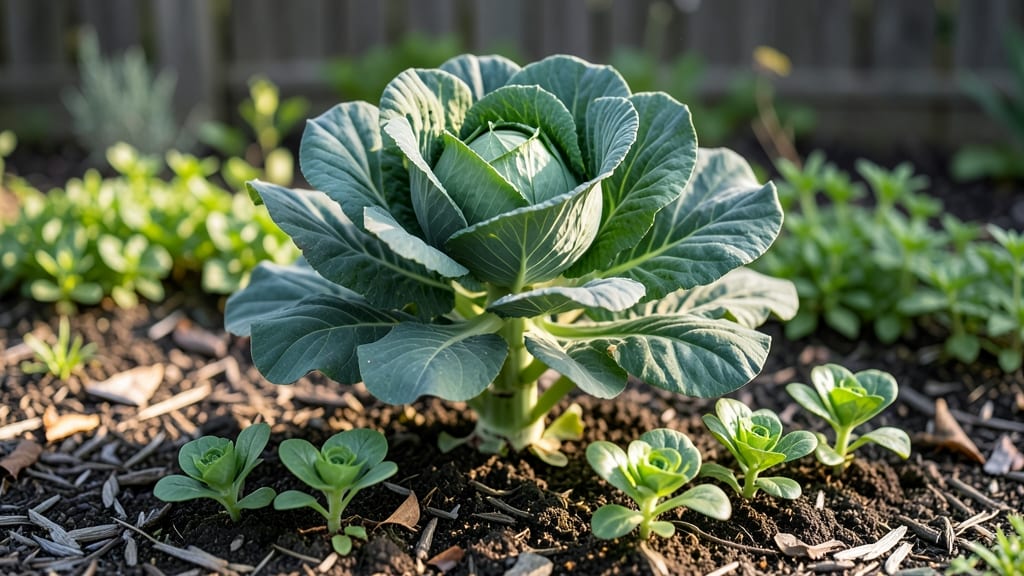
Timing your 🥬 cabbage planting in Pennsylvania can mean the difference between a bountiful harvest and a sad, wilted disappointment—but don’t worry, I’ve got you covered with the exact windows that work in zones 5b-7a.
Whether you’re a first-time gardener or a seasoned pro, Pennsylvania’s unpredictable spring frosts and short growing seasons demand precision. Plant too early, and your seedlings might freeze; too late, and you’ll miss the sweet spot for crisp, flavorful heads.
The key? Knowing when to start seeds indoors or transplant hardened-off seedlings for both spring and fall crops.
I’ll break down the optimal planting dates—from late March to mid-April for spring, and July to mid-August for fall—plus which cold-hardy varieties like ‘January King’ or ‘Golden Acre’ thrive in PA’s climate. Ready to grow cabbage that’s ready to harvest by June or October?
Let’s dive into the exact steps to time your plantings perfectly, so you’re harvesting crisp, homegrown 🥬 all season long—no guesswork required.
Best cabbage planting times in Pennsylvania by region (zones 4-7)
Pennsylvania’s Zone 4-7 climate demands precise timing for cabbage success. The key is planting 6-8 weeks before your average last frost date—typically March 15 to April 15 for spring crops.
For fall harvests, aim for July 1 to August 15, giving plants enough time to mature before frost hits in late October. Microclimates matter: Mountain regions (Zone 5b) have later last frosts, while southern PA (Zone 7a) can start earlier.
Direct sowing works for early spring plantings when soil reaches 45°F, but most gardeners prefer transplanting hardened seedlings for better control. Start seeds indoors 6-8 weeks before last frost or buy 6-week-old seedlings from nurseries.
My Zone 6 garden in central PA thrives with mid-April transplants and early July sowings for fall crops.
Use this frost-free timeline as your guide: Count back 70-100 days from your first frost date (usually October 20) to determine your latest planting window. For example, if frost arrives October 15, your final planting should be by August 15 for a 90-day variety.
Always check your local USDA Plant Hardiness Zone for precise dates.
Here’s how to adapt to PA’s unpredictable weather:
| Planting Window | Zone 4 (Mountains) | Zone 5-6 (Central PA) | Zone 7 (Southern PA) |
|---|---|---|---|
| Spring Planting | April 1 - May 1 | March 15 - April 15 | March 1 - April 1 |
| Fall Planting | July 15 - August 10 | July 1 - August 15 | July 15 - August 20 |
| Last Frost Date | May 10 | April 15 | March 20 |
| First Frost Date | October 25 | October 20 | October 15 |
For direct sowing, wait until soil warms to 50°F—usually mid-April to early May in most of PA. This method works best for late spring plantings (May 15-June 1) if you’re growing quick-maturing varieties like ‘Red Express’ (60 days).
I’ve had success with succession sowing every 2 weeks through June to stretch my harvest into late summer.
Pro tip: Use black plastic mulch to warm soil faster in Zone 4 gardens, allowing earlier plantings. In Zone 7’s warmer microclimates, focus on fall plantings to avoid summer heat stress. Always harden off seedlings for 7-10 days before transplanting to prevent shock from PA’s temperature swings.
Remember: Cabbage thrives in cool weather (ideal temps: 60-70°F). Planting too early in Zone 4 risks bolting from cold snaps, while planting too late in Zone 7 may result in poor head formation before frost. Balance is key—aim for 60-75 days of warm weather after transplanting.
My Zone 6 garden uses row covers for early spring plantings (March 20-April 5) to protect young seedlings from late frosts. This extends my growing season by 2-3 weeks and gives me an earlier harvest.
For fall crops, I always plant by August 1 to ensure maturity before frost.
Local extension offices provide free frost date maps—download yours before planning! Pennsylvania State University’s Ag Progress reports are my go-to for real-time weather updates that adjust planting windows. With the right timing, you’ll enjoy crisp cabbage heads from June through November—even in PA’s challenging climate.
Cold-hardy cabbage varieties that thrive in Pennsylvania’s late springs
Pennsylvania’s late springs and early fall frosts demand cabbage varieties that tolerate cool temperatures and short growing seasons. The right cold-hardy varieties can mean the difference between a bountiful harvest and a failed crop.
I’ve grown these top 5 varieties in my Zone 6 garden—each brings unique advantages for PA’s climate.
For early harvests, choose ‘Red Express’ (60 days), a heat-tolerant red cabbage that handles late spring warmth while still producing crisp heads. Its compact size (12–16 inches tall) makes it perfect for small gardens or containers.
I’ve seen it thrive even when planted as late as May 1 in cooler PA regions.
‘Tendercrisp’ (70 days) is my go-to for mid-season plantings—it balances cold tolerance with heat resistance, making it ideal for June sowings aimed at fall harvests. Its savoyed leaves add texture and flavor, and it rarely bolts in PA’s variable summers. Pair it with ‘Golden Acre’ (60 days) for a mix of colors and flavors.
| Variety | Days to Maturity | Cold Tolerance | Heat Resistance | Best PA Planting Time |
|---|---|---|---|---|
| Red Express | 60 | Excellent | Good | March 15–May 1 |
| Tendercrisp | 70 | Very Good | Very Good | April 1–June 15 |
| Golden Acre | 60 | Good | Fair | March 15–April 30 |
| January King | 120 | Excellent | Poor | July 1–August 15 |
| Winterbor | 120 | Excellent | Fair | July 15–September 1 |
For overwintering, ‘January King’ (120 days) and ‘Winterbor’ (120 days) are unbeatable. These late-maturing varieties store well and can survive light frosts after harvest. Plant them by August 15 for a fall-winter harvest—I’ve kept them going until January with row covers during hard freezes.
When selecting varieties, prioritize disease resistance—especially clubroot and blackleg, which thrive in PA’s cool, wet springs. Rotate crops yearly to prevent buildup. For container gardening, ‘Miniature Peanut’ (50 days) is a space-saving choice, though it’s less cold-hardy.
Pro tip: Start seeds indoors 4–6 weeks before your last frost date (typically mid-April in PA). Harden off seedlings for 7–10 days before transplanting to 45°F soil. This gives young plants a head start against late spring frosts.