
Plants
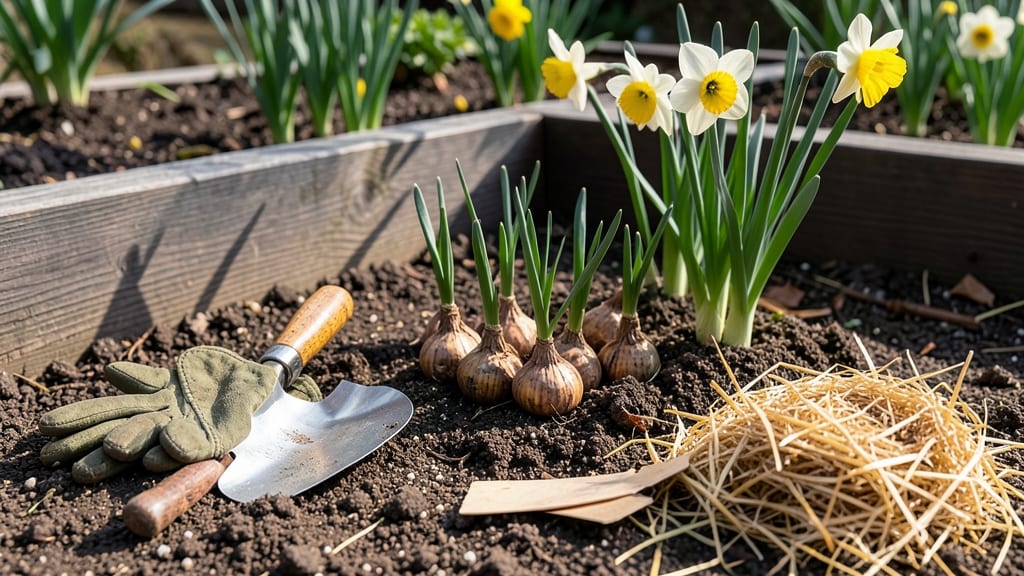
Timing your daffodil planting in California is the key to avoiding frost damage and ensuring those cheerful 🌼 blooms make their spring debut. Unlike other regions, California’s diverse microclimates—from coastal chill to inland warmth—mean one planting window doesn’t fit all.
If you’ve ever planted daffodils only to watch them wither under unexpected frost, you’re not alone. The best strategy depends on where you live: coastal areas like San Francisco may need early October starts, while inland zones like Sacramento can wait until December.
Let’s break down the exact months that work for your specific corner of the Golden State.
What you’ll discover is how to align your planting schedule with local frost dates, soil temperatures, and even elevation changes. Whether you’re a first-time gardener or a seasoned pro, these insights will help you maximize your daffodils’ potential—and skip the common mistakes that lead to wasted bulbs.
Ready to turn your garden into a springtime explosion of color? I’ll walk you through the critical steps, from choosing the right month to preparing your soil for zero-frost success. Let’s get those bulbs in the ground the right way!
California daffodil planting calendar by region: best months to avoid frost damage
California’s diverse climate means daffodil planting times vary dramatically from coastal San Diego to mountainous Tahoe. While most gardeners aim for fall planting (October-December), your exact timing depends on your USDA hardiness zone and local frost patterns.
In Southern California (zones 9b-10a), frost is rare, but Northern California (zones 7b-9a) faces unpredictable cold snaps that can damage emerging shoots.
For coastal regions like Los Angeles or San Francisco, plant daffodils between late October and November—this gives bulbs time to root before mild winter rains. Inland areas like Sacramento or Fresno should plant by mid-October to avoid early December frosts.
Mountainous zones (e.g., Lake Tahoe) may need to plant as early as September to prevent frost damage.
Here’s how to align your planting with California’s microclimates and frost-free dates:
Pro tip: Check your local National Weather Service frost alerts or use the Almanac’s frost calendar for precise dates. Coastal areas often have later frost dates than inland zones just 50 miles away—so don’t assume your neighbor’s timing applies to you!
If you’re unsure about your region’s frost risk, opt for early planting (September-October). Daffodil bulbs can tolerate cool soil temperatures and will root slowly if conditions aren’t ideal. Just ensure they’re planted 6-8 weeks before the ground freezes to prevent rot.
For container gardening, adjust your timeline by 2-4 weeks later since pots warm up faster. Move containers to a protected location (like a garage or under eaves) if frost is forecasted after planting.
Remember: Daffodils thrive in California’s mild winters—unlike tulips, they’re frost-tolerant and often bloom even after light freezes. The key is timing the planting so roots establish before winter rains or cold snaps arrive.
🌼
How to time your daffodil planting for maximum bloom success in California gardens
California’s diverse microclimates mean your daffodil planting timing should account for soil temperature, elevation, and local frost dates. Unlike cooler climates, many California regions experience mild winters, but inland areas can still see unexpected chills. The key is planting when daytime temps drop below 60°F—this triggers bulb dormancy and root growth before winter sets in.
For coastal areas (like USDA Zone 9-10), aim for October to early November. Inland valleys and foothills (Zone 7-8) should plant by mid-November to avoid early frost. Mountain regions (e.g., Sierra Nevada) may need to plant as early as September due to colder winters.
Soil temperature is your best guide—wait until it hovers around 50-55°F at a 6-inch depth. Use a soil thermometer to check, especially in urban areas where concrete can delay cooling. If you plant too early, bulbs may sprout prematurely and get fried by winter heatwaves.
Depth matters too: plant bulbs 6-8 inches deep (twice their height) to protect them from temperature fluctuations. In sandy soil, add a 1-inch layer of compost to retain moisture. Well-draining soil is critical—daffodils rot in soggy conditions, which is common in California’s winter rains.
After planting, mulch with 2-3 inches of straw to insulate bulbs from temperature swings. In drought-prone areas, mulch also conserves moisture. Avoid synthetic mulches—they can overheat soil. Water deeply once after planting, then taper off to let roots establish before winter rains resume.
Pro tip: Mark your planting spots with flags or stakes—California’s wildfire season can obscure gardens, and you’ll want to avoid disturbing newly planted bulbs. In fire-prone zones, plant daffodils near defensible space borders to create a low-maintenance firebreak.
With the right timing, your daffodils will bloom reliably from March to May, often pushing through winter rains to greet spring with bright yellow and white cheer. The secret? Listen to your local microclimate—not just the calendar. 🌼