
Plants
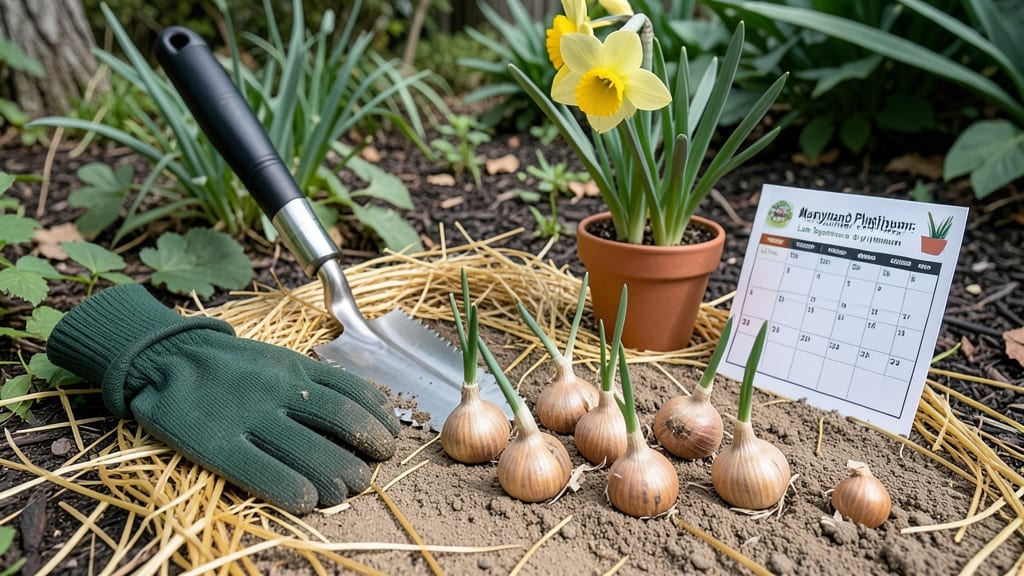
If you've ever wondered when to plant daffodils in Maryland, timing is the secret to those cheerful 🌼 blooms that pop up like clockwork every spring.
Maryland's mild winters and unpredictable frost dates make the difference between daffodils that thrive and ones that struggle—so getting it right matters more than you might think.
The key window for planting in Maryland's USDA zones 7a-7b is either late fall (October-November) or early spring (February-March). Fall planting gives bulbs time to establish roots before winter, while spring planting works if you missed the fall window.
Either way, you'll need to work with Maryland's first frost dates—plant too early, and frost can damage tender roots; too late, and your daffodils might not bloom as vigorously.
What makes Maryland unique? Our short but intense growing season means daffodils need to get off to a fast start. The right variety matters too—some daffodils handle Maryland's humidity and heat better than others.
I'll walk you through the best types for your specific county and how to prep your soil for maximum success, so you can enjoy those bright yellow and white blooms year after year.
Ready to transform your garden? Let's dive into the exact planting schedule, soil tips, and variety recommendations that will have your daffodils thriving in Maryland's climate—no guesswork required.
Best planting months for daffodils in Maryland by county (frost-Zone guide)
Maryland’s diverse climate—from the cooler mountains of Western Maryland to the warmer coastal regions—means daffodil planting times vary by county. Most gardeners in USDA zones 6-8 plant in fall or early spring, but the exact window depends on your location.
Let’s break it down by region to ensure your bulbs thrive.
For Northern Maryland (e.g., Frederick, Garrett, and Baltimore counties), aim for mid-October to early November to beat the first frost, which typically hits around November 15. In Southern Maryland (e.g., Calvert, Charles, and St. Mary’s counties), you have until late November due to milder winters.
Early spring planting is also an option in February or March, but fall planting yields stronger roots.
Here’s a quick reference for Maryland’s frost dates and ideal planting windows by region:
If you miss the fall window, don’t worry—early spring planting in February or March works too, especially in Southern Maryland. Just ensure the soil is workable and not waterlogged.
For container planting, you can plant daffodils anytime the soil is above 40°F, but fall is still best for root establishment.
Pro tip: Use a soil thermometer to check if the ground is below 60°F—this signals it’s time to plant. Maryland’s clay-heavy soil benefits from amending with compost before planting to improve drainage. This is especially critical in Western Maryland’s rocky soil or coastal areas with sandy soil.
For gardeners in Baltimore City or suburban areas, urban heat islands can delay frost. Monitor local forecasts and adjust your planting timeline accordingly. If you’re unsure, err on the side of earlier planting—daffodil bulbs can handle cooler soil better than warm soil.
Remember, daffodils are perennials, meaning they’ll return year after year if planted correctly. The key is giving them 6-8 weeks of cool soil before winter sets in.
With Maryland’s 165 frost-free days, timing your planting ensures your daffodils bloom earlier than tulips and brighten your garden from March to May.
🌱
Best planting months for daffodils in Maryland by county (frost-Zone guide)
Maryland’s diverse climate—from USDA Zone 6 in the mountains to Zone 8 along the coast—means daffodil planting windows vary by county. For Northern Maryland (e.g., Frederick, Garrett), aim for October 1–November 15 to beat early frosts.
In Central Maryland (e.g., Baltimore, Howard), stretch your window to October 15–December 1, while Southern Maryland (e.g., Calvert, Charles) can plant as late as December 15 thanks to milder winters.
Timing is critical because daffodil bulbs need 6–8 weeks to establish roots before winter. Planting too early (e.g., September) risks rot in wet soil, while late planting (e.g., January) may result in smaller blooms or no flowers at all.
Maryland’s average first frost ranges from November 15 in the north to December 1 in the south, so adjust accordingly.
Pro tip: Use Maryland’s last average frost date (around April 15) as a guide for spring planting. If you miss fall, plant bulbs in early February to ensure blooms by spring. Just remember—spring-planted daffodils may bloom later than fall-planted varieties.
Maryland Daffodil Planting Timeline by Region
| Region | USDA Zone | Best Planting Window | Frost Notes |
|---|---|---|---|
| Northern MD (Frederick, Garrett) | 6a–6b | Oct 1–Nov 15 | First frost: Nov 15 |
| Central MD (Baltimore, Howard) | 7a–7b | Oct 15–Dec 1 | First frost: Nov 25 |
| Southern MD (Calvert, Charles) | 7b–8a | Nov 1–Dec 15 | First frost: Dec 1 |
🌱 Note: Adjust for microclimates—e.g., plant earlier in shady spots or later in sunny, sheltered areas.
For container gardening, follow the same timeline but use well-draining pots to prevent bulb rot. Southern Maryland gardeners can even plant daffodils in January for early spring blooms, but Northern Marylanders should avoid this risk. Always plant bulbs 4–6 inches deep and 4–6 inches apart for optimal growth.
Maryland’s clay-heavy soil can slow drainage, so amend with compost or sand before planting. This improves root development and reduces the risk of bulb rot, a common issue in Maryland’s humid climate. Mulch with straw or shredded leaves after planting to insulate bulbs and retain moisture.
If you’re unsure about your county’s frost dates, check the Maryland Department of Agriculture’s frost maps or use a local weather station for real-time updates. Planting at the right time ensures your daffodils bloom reliably and multiply over time—adding years of color to your garden.