
Planting
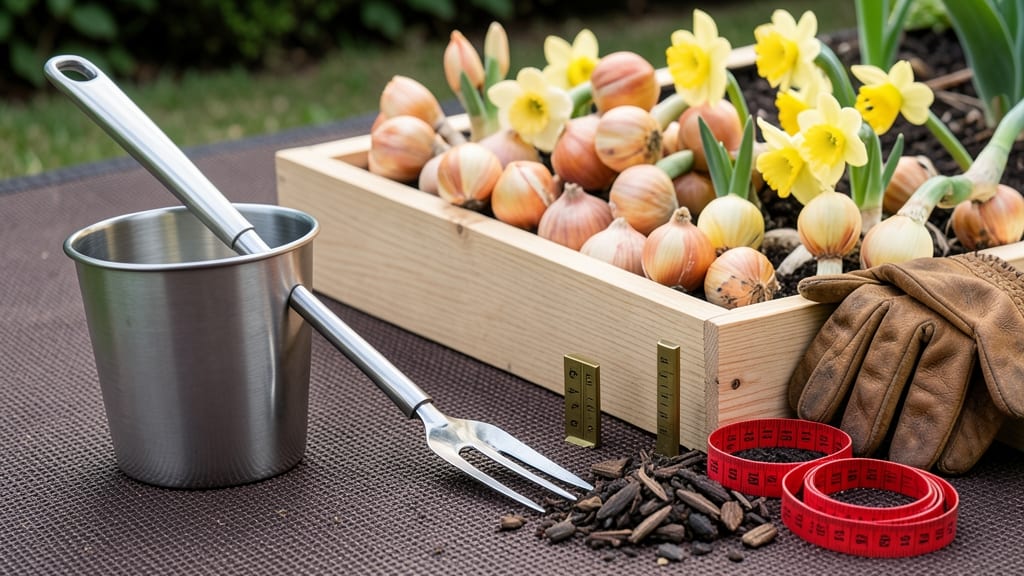
If you’ve ever wondered when you can plant bulbs in the spring, the answer isn’t as simple as "as soon as possible." Some bulbs—like Spring-Planted Bulbs (e.g., Tulips, Daffodils, Hyacinths) 🌷—actually thrive when planted after the last frost, thanks to their chill-resistant nature.
Planting too early can leave them vulnerable to frost damage, while waiting too long might mean missing the ideal window for vibrant blooms. The key lies in understanding your local climate and soil conditions—especially in USDA Zone 6a, where timing can make or break your garden’s spring display.
In this guide, I’ll break down the best planting times for chill-resistant bulbs, how to prep your soil for success, and why some varieties actually perform better when planted after frost. No more guesswork—just beautiful blooms.
Whether you’re a seasoned gardener or a beginner, these tips will help you plant with confidence and enjoy a garden that bursts with color come spring.
Best spring planting times for chill-resistant bulbs by region
Timing is everything when planting spring bulbs. Unlike fall-planted varieties, chill-resistant bulbs like tulips and daffodils thrive when planted after the last frost. But how do you know when that is? The answer depends on your USDA zone and local frost patterns.
In Zone 3-5, aim for late April to early May, while Zone 6-8 gardeners can start as early as March once soil warms to 50°F. Wait too long, and you risk stunted growth; plant too soon, and frost will damage tender roots.
Most gardeners focus on last frost dates, but soil temperature matters more. Test your soil with a soil thermometer—plant when it consistently stays above 45°F for at least a week. In colder regions, this might mean waiting until May, while milder climates can start in February.
Always check your local cooperative extension service for precise frost data, as microclimates can shift planting windows by weeks.
Here’s the key: spring-planted bulbs need 6-8 weeks to establish roots before summer heat arrives. If you’re in Zone 9-10, where winters are mild, focus on late winter planting (January-February).
In contrast, Zone 1-2 gardeners should wait until late May to avoid late-spring frosts. The goal? Give bulbs time to root before the dog days of summer stress them.
Regional variations matter. For example, Pacific Northwest gardeners often plant in March, while Southeast growers might wait until April. Even within states, elevations change outcomes—mountain regions can be 2-4 weeks later than valley areas. Use a frost calendar or local gardening apps to pinpoint your exact window.
Pro tip: If you’re unsure, opt for hardy varieties like crocuses or alliums, which tolerate cooler soils. These bulbs also handle light frosts after planting, giving you a wider margin for error.
Avoid tender bulbs like dahlias, which need warmer soil and won’t survive spring planting in cold zones.
Now, let’s break down the best planting windows by region with this quick-reference table:
Notice how Zone 3-5 gardeners wait until late spring, while Zone 9-10 can plant in winter? This flexibility comes from understanding your local microclimate. For example, urban areas often experience urban heat islands, warming soil faster than rural zones.
If you’re unsure, err on the side of waiting—bulbs planted too early in cold soil won’t root and may rot.
One common mistake is assuming "as soon as the ground isn’t frozen" is the right time. That’s not enough! Bulbs need warm, workable soil to avoid root rot. Dig a hole—if the soil crumbles easily and smells earthy (not musty), it’s ready.
If it’s still compacted or cold to the touch, wait another week. Mulch lightly after planting to retain warmth without smothering the bulbs.
For container gardening, timing shifts slightly. Pots warm up faster, so you can plant 2-4 weeks earlier than in-ground bulbs. Just ensure pots have drainage holes and use a lightweight potting mix to prevent waterlogging. Terracotta pots stay cooler longer, while black plastic containers absorb heat—adjust your schedule accordingly.
Remember: spring-planted bulbs reward patience. The best blooms come from bulbs that root deeply before summer stress sets in.
If you’re in a transition zone (like Zone 7b), split your planting into two batches: plant half in early March and the rest in late April to hedge your bets against unpredictable frost.
5 Chill-resistant bulbs that thrive when planted after frost
Not all bulbs need fall planting—some actually prefer spring! If you missed the fall window or live in a region with unpredictable frost, these chill-resistant bulbs will reward you with vibrant blooms even when planted after the last frost.
They’re perfect for gardeners who love late-season color or want to experiment with post-frost planting.
These bulbs thrive in cooler temperatures and can handle light frosts, making them ideal for spring gardeners. Snowdrops, crocuses, and alliums are just a few varieties that prove you don’t need to plant in fall to enjoy a stunning spring display.
Let’s explore the top 5 chill-resistant bulbs and how to plant them for success.
⚠️ Visual Element: Summary Table
| Bulb | Planting Time | Depth | Spacing | Care Tips |
|---|---|---|---|---|
| Snowdrops (Galanthus) | Early spring (March) | 3-4 inches | 3-4 inches apart | Partial shade; mulch after planting |
| Crocuses (Crocus) | Late winter/early spring (Feb-Apr) | 2-3 inches | 2-3 inches apart | Full sun to partial shade; well-draining soil |
| Alliums (Allium) | Spring (April-May) | 4-6 inches | 6-12 inches apart | Full sun; drought-tolerant once established |
| Daffodils (Narcissus) | Early spring (March-April) | 6-8 inches | 4-6 inches apart | Full sun; avoid soggy soil |
| Hyacinths (Hyacinthus) | Early spring (March) | 6-8 inches | 4-6 inches apart | Full sun; stake tall varieties |
Each of these bulbs has unique planting requirements, but they all share one trait: they can handle cooler temperatures. Snowdrops and crocuses are early bloomers that often appear before spring officially arrives, while alliums and daffodils add bold color later in the season. Hyacinths, with their intoxicating fragrance, are a fragrant addition to any spring garden.
For best results, plant these bulbs as soon as the ground is workable—usually when soil temperatures reach 40-50°F. Avoid planting in waterlogged soil, as excess moisture can rot the bulbs before they establish roots.
If your soil is still too wet, wait a few weeks or amend it with compost or sand to improve drainage.
Once planted, these bulbs need minimal care. Water lightly after planting to settle the soil, then reduce watering as they establish. Most of these varieties are drought-tolerant once their roots are established, making them low-maintenance choices for busy gardeners.
Mulch around the base with organic matter to protect against late frosts and retain moisture.
Don’t let missed fall planting stop you from enjoying a spring garden full of color. These chill-resistant bulbs prove that timing isn’t everything—sometimes, all you need is the right plant for the job! 🌷