
Plants
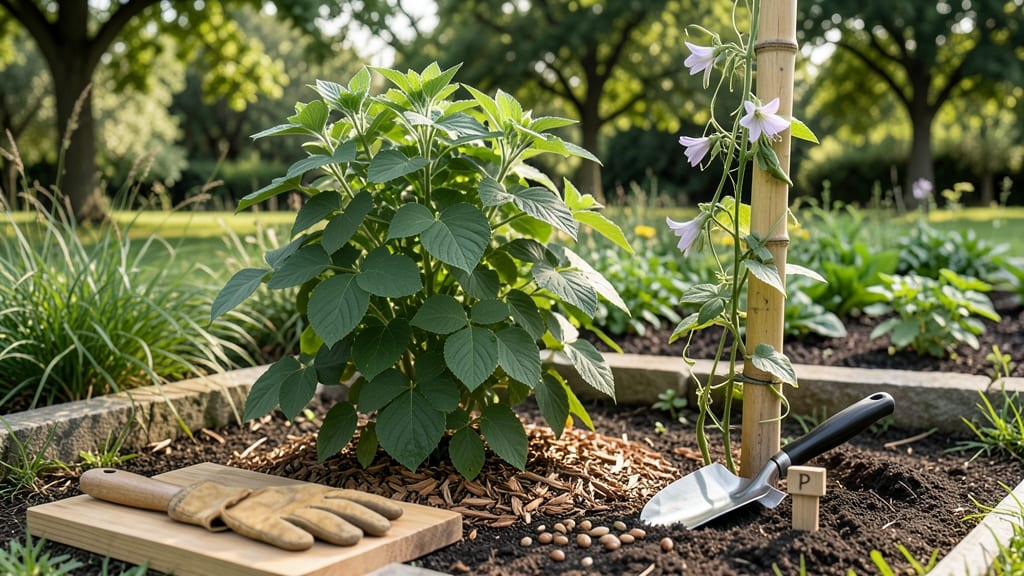
Timing your Bean planting in Colorado can feel like a high-stakes gamble—get it wrong, and you might lose your seeds to late frosts or stunted growth. But with the right approach, you can outsmart Colorado’s unpredictable climate and enjoy a thriving harvest of fresh, homegrown 🌱 beans.
The key is understanding your local frost dates and choosing the perfect window to sow your seeds. Whether you're growing bush beans or pole varieties, planting too early can leave your plants vulnerable, while waiting too long might cut your harvest short.
I’ll break down the best times to plant based on Colorado’s diverse climate zones, so you can avoid common mistakes and set your garden up for success.
From selecting cold-hardy varieties like 'Black Valentine' to using simple tricks like row covers, there are proven strategies to extend your growing season. You don’t need a green thumb—just a little know-how to make the most of Colorado’s spring planting season.
Let’s dive into the details so you can confidently start your beans at the perfect moment.
Ready to transform your garden into a productive haven? With the right timing and care, your beans will thrive from summer all the way through fall. Let’s get started!
Colorado’s frost dates and best planting windows for beans
Colorado’s USDA hardiness zones 4-8 create a tricky planting puzzle for beans. The Front Range (Denver, Fort Collins) typically sees its last spring frost between April 15-30, while the Western Slope (Grand Junction, Durango) warms up 2-3 weeks earlier.
For pole beans, wait until soil temps hit 60°F—usually mid-May—to avoid stunted growth from cold soil.
Timing matters even more for bush beans, which are slightly more frost-tolerant.
You can plant them 2 weeks before pole beans (around early May on the Front Range) if you use row covers for protection. Black Valentine and Windsor varieties are my go-to cold-hardy picks—they’ll survive light frosts down to 28°F if planted early.
Here’s the golden rule: Wait until after your average last frost date to plant beans. But don’t wait too long—late June plantings often produce smaller yields before fall frosts arrive in September. For a second harvest, try planting heat-tolerant varieties like ‘Rattlesnake’ in early July.
If you’re eager to plant early, use black plastic mulch to warm the soil 2-3 weeks faster than bare ground. I’ve had success planting bush beans in late April on the Front Range by covering seeds with 1-2 inches of straw mulch—this adds 5-7°F of insulation.
Just remove the mulch once sprouts emerge to prevent rot from excess moisture.
For pole beans, which need more warmth, I recommend waiting until soil temps consistently stay above 65°F. Use a soil thermometer to check—morning temps are the most reliable indicator.
In high-altitude areas (above 7,000 ft), aim for late May to avoid late spring frosts that can kill young plants.
Don’t forget about fall plantings! In southern Colorado, you can sow cold-hardy varieties like ‘Oregon Sugar Pod’ as late as early August for a fall harvest before frost. Just ensure they’ll mature within 70-80 days before your first fall frost (typically October 15–November 1).
Pro tip: Monitor local microclimates. A south-facing slope warms up 3-5 days earlier than a north-facing garden bed. If you’re near urban areas, heat islands can push planting dates 1-2 weeks earlier—always check Almanac frost charts for your specific ZIP code.
Finally, test your soil pH before planting. Beans prefer 6.0–7.0 pH, and Colorado’s alkaline soils often need sulfur or peat moss to adjust. Amend your beds 2 weeks before planting to give microbes time to break down organic matter.
With the right timing and a little prep, you’ll be harvesting beans from June through September—no more guessing games! 🌱
Cold-hardy Bean varieties that survive Colorado’s early spring
Colorado’s early springs can be tricky for beans, but the right cold-tolerant varieties make all the difference. I’ve grown Black Valentine and Windsor beans in my Denver garden, and they’ve thrived even when nighttime temps dip into the 40s°F.
These varieties aren’t just frost-hardy—they also adapt well to Colorado’s dry, alkaline soils if given proper care.
For gardeners in USDA Zones 4-7, choosing varieties with cold tolerance is key. Some beans can handle light frosts (28-32°F), while others need soil temps above 50°F to germinate.
I always check seed packets for cold-hardiness ratings—it’s saved me from wasted seeds more times than I can count!
Here’s how to pick the best varieties for your Colorado garden:
| Variety | Cold Tolerance | Planting Depth | Spacing | Days to Harvest |
|---|---|---|---|---|
| Black Valentine | Tolerates 28°F with protection | 1-2 inches deep | 4-6 inches apart | 55-60 days |
| Windsor | Tolerates 32°F with protection | 1-2 inches deep | 3-4 inches apart | 60-65 days |
| Kentucky Wonder (Pole) | Needs soil 50°F+ to germinate | 1 inch deep | 4-6 inches apart (trellis needed) | 60-70 days |
| Provider | Tolerates 30°F with mulch | 1-2 inches deep | 3-4 inches apart | 50-55 days |
| Contender | Needs soil 55°F+ to germinate | 1-2 inches deep | 4-6 inches apart | 65-70 days |
If you’re planting in high-altitude areas (like Denver or Boulder), start seeds indoors 4-6 weeks before your last frost date. I use biodegradable pots and transplant seedlings when soil temps hit 50°F. For Western Slope gardeners, you can plant 2 weeks earlier thanks to warmer microclimates.
Extend your growing season with row covers or black plastic mulch. Last year, my Black Valentine beans produced pods 3 weeks earlier when planted under floating row covers—even when nighttime temps dropped to 35°F. Just
For pole beans, wait until after your last frost date to plant, as they’re less cold-tolerant. But if you’re eager to start, try Kentucky Wonder—it’s a classic for a reason! Just be prepared to use trellises or stakes to support their 6-foot vines.