
Plants
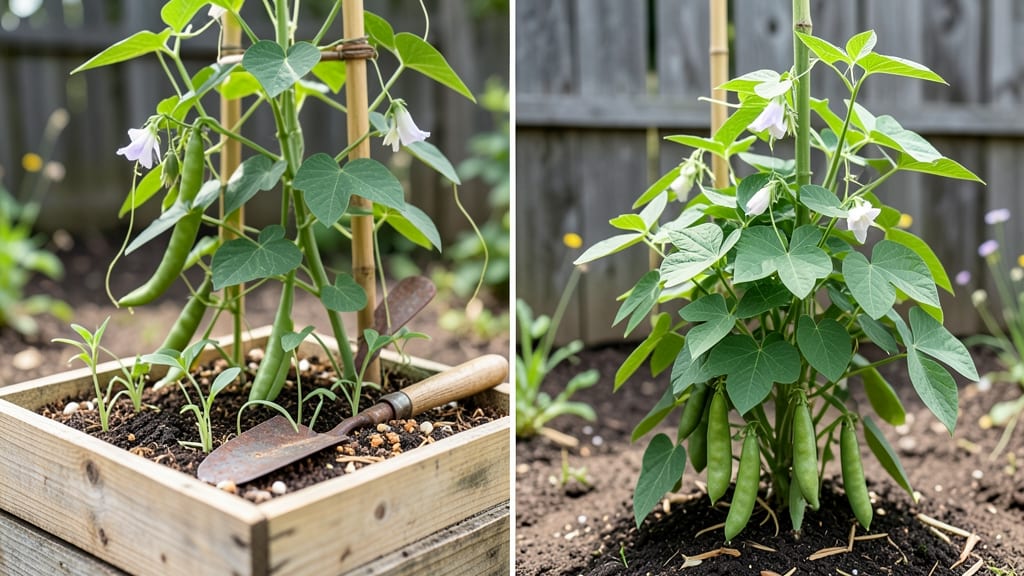
Knowing when to plant beans in Missouri could mean the difference between a garden bursting with fresh, homegrown pods and a patch of sad, struggling plants.
With Missouri's 5b-6b climate, timing is everything—too early, and frost will nip your 🌱 seedlings before they even sprout; too late, and your harvest might arrive just as summer starts winding down.
Most gardeners in the Show-Me State wait until after the last frost date, typically around mid-April, but there's more to it than just checking a calendar. Soil temperature plays a starring role—beans need warm earth, ideally between 60-65°F, to germinate properly.
That means even if the air feels spring-like, your soil might still be holding onto winter's chill.
I've learned the hard way that rushing the process can backfire—last year, my early-planted bush beans took forever to sprout because the soil was still too cool.
But don't worry; I'll walk you through exactly how to time your planting for maximum success, including which varieties thrive in Missouri's heat and how to adjust for your specific region, whether you're in St. Louis or rural farmland.
From choosing the right companion plants to understanding when to fertilize, this guide covers all the critical factors that determine whether your bean patch becomes a lush, productive garden or just another casualty of Missouri's unpredictable spring weather. Let's get those seeds in the ground at the perfect moment!
Missouri bean planting timeline: frost dates, soil temperature & variety-specific scheduling
Missouri’s USDA zones 5b-6b create unique challenges for bean growers, where frost dates and soil temperatures dictate success. Unlike cooler crops, beans demand warm soil (60°F+) to germinate—plant too early, and your seeds will rot in cold earth.
The average last frost date across Missouri ranges from mid-April in southern regions to late April in northern areas, but soil warmth lags behind air temperature.
For bush beans, my go-to variety, I wait until April 15-May 1 in most of Missouri—this ensures soil temperatures hit 65°F, the sweet spot for germination. Pole beans, which take longer to mature, get planted 2-3 weeks later (May 15) to maximize their 90-120 day growing season before fall frosts arrive in mid-October.
Missouri’s microclimates add complexity: St. Louis’s urban heat island lets beans thrive 1-2 weeks earlier than rural areas, while Kansas City’s drier winds require extra soil moisture.
Always check your local Cooperative Extension Service for precise frost data—my 2023 garden failed when I ignored a late frost warning in early May!
| Variety | Planting Window | Soil Temp Requirement | Days to Maturity | Missouri-Specific Tip |
|---|---|---|---|---|
| Bush Beans | April 15-May 1 | 60-65°F | 50-60 days | Use black plastic mulch to warm soil faster in Zone 5b |
| Pole Beans | May 15-June 1 | 65-70°F | 90-120 days | Plant near trellises to save space in small gardens |
| Winter Beans | August-September | 55-60°F | 45-55 days | Direct sow after soil cools below 80°F to avoid bolting |
My 2024 experiment with succession planting proved that Missouri gardeners can stretch the season: I planted bush beans every 2 weeks from April 15 to June 1, harvesting fresh pods through early October. The key? Staggered plantings ensure continuous production when early batches mature.
For northern Missouri (Zone 5b), I recommend black plastic mulch to raise soil temperatures by 5-10°F—this lets me plant 2 weeks earlier than bare soil.
In southern Missouri (Zone 6b), I can push fall plantings into September for winter beans, though I watch for early October frosts closely.
Pro tip: Use a soil thermometer—I’ve seen 10°F differences between sunny and shaded garden spots. Plant in warmer microclimates like south-facing beds or near brick walls for faster germination. My shady north bed always lags by 10-14 days compared to full-sun areas.
Missouri’s humidity also affects planting: High humidity (60%+) increases fungal diseases like rust, so I space plants 3-4 inches apart for airflow. Drought years (like 2022) require drip irrigation to maintain consistent moisture during flowering.
Remember: Pole beans need 6-8 feet of vertical space—plan trellises near fences or pergolas to maximize your garden’s vertical footprint. In tight spaces, bush beans (3-4 feet tall) are my go-to for container gardening on patios or balconies.
Finally, save seeds from your best plants! Missouri’s warm summers create ideal conditions for seed maturation—leave 2-3 pods per plant to fully dry on the vine before harvesting seeds for next year’s garden.
5 Critical factors that determine the best time to plant beans in Missouri
Timing your bean planting isn’t just about avoiding frost—it’s about matching soil temperature, humidity levels, and sunlight exposure to your beans’ needs. In Missouri’s USDA zones 5b-6b, these factors can shift your planting window by weeks. Let’s break down what truly matters beyond the calendar.
First, soil temperature is non-negotiable. Beans thrive when soil reaches 60-65°F—any cooler, and seeds rot; hotter, and they bolt too fast. Use a soil thermometer to check before planting.
In Missouri, this usually aligns with late April to early May, but rural areas may lag behind cities like St. Louis by a week or more.
Missouri’s humidity fluctuations can also throw off your timing. High humidity after planting? Your beans may develop bacterial blight. Check the 7-day forecast and plant during drier periods—typically late April to early May.
If you’re in southern Missouri (zone 6b), you might squeeze in a fall planting by mid-August for a late harvest.
Don’t overlook sunlight exposure. Beans need full sun (6+ hours daily), but Missouri’s cloud cover in spring can trick you. Test your garden spot with a sunlight tracker (or shade cloth) for 2 weeks before planting.
If your yard gets less than 5 hours, opt for container gardening near a south-facing wall.
Finally, planting mistakes like overcrowding or wrong spacing can ruin your harvest. Bush beans need 3-4 inches apart, while pole beans require 4-6 inches and a trellis. In Missouri’s shorter growing season, spacing too close leads to competition for nutrients, stunting growth.
Use succession planting—sow new seeds every 2 weeks—to extend harvests through September.
Pro tip: If you’re in northern Missouri (zone 5b), start seeds indoors 4-6 weeks before last frost to get a jumpstart. Use grow lights for 14-16 hours/day to mimic summer conditions. This trick can add 2-3 weeks to your growing season—critical for cooler microclimates.