
Plants
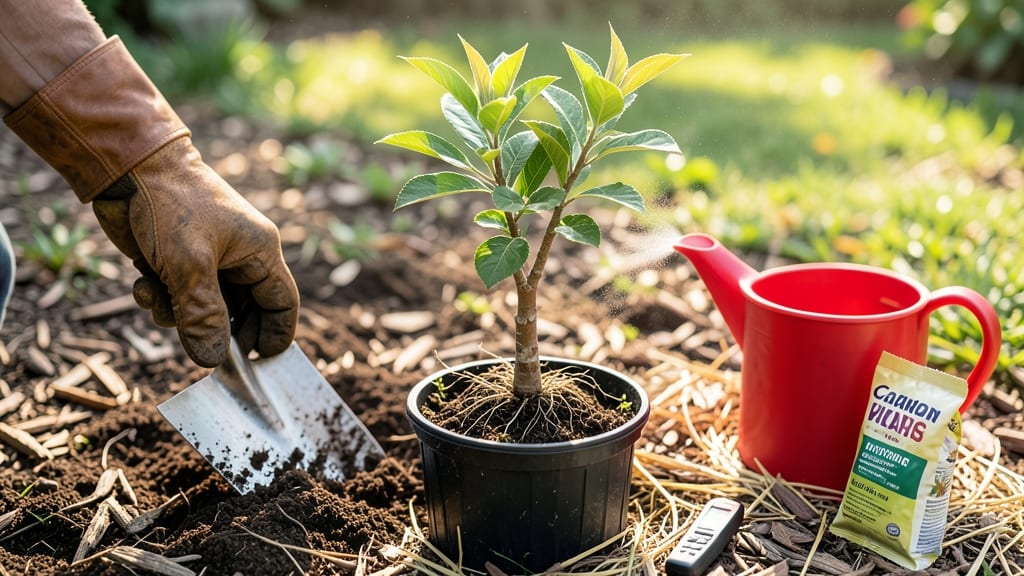
Planting your 🌸 Crepe Myrtle in Oklahoma at the wrong time could mean the difference between a stunning, frost-proof tree and one that barely makes it through winter.
With USDA Zones 7a-7b bringing unpredictable cold snaps, timing isn’t just about the calendar—it’s about giving those roots the perfect head start before the first frost hits.
You’ve probably heard "spring planting" is best, but in Oklahoma’s climate, that’s only half the story. The ideal window actually stretches from early March to October, when soil temperatures stay above 55°F—but there’s a catch.
Plant too late, and your tree might not establish deep enough roots before winter sets in.
Let me break down exactly when to plant for maximum survival in your zone, including how to adjust for Oklahoma’s microclimates. Whether you’re in Tulsa or Oklahoma City, these practical deadlines will help you avoid common mistakes and set your Crepe Myrtle up for years of vibrant blooms.
We’ll also cover soil prep, variety selection, and protection tips to ensure your tree thrives—even when temperatures dip unexpectedly. Ready to get started? Let’s dig in.
Optimal planting windows for crepe myrtles in Oklahoma’s USDA Zones 7a-7b
Timing your crepe myrtle planting in Oklahoma is critical—Zone 7a’s average last frost falls around March 15, while Zone 7b’s is closer to March 22. Planting too early risks frost damage, while waiting too late limits root establishment before winter.
My go-to window is March 25 to April 15 for spring planting, when soil temperatures consistently stay above 55°F.
For fall planting, aim for September 15 to October 15—this gives roots time to harden off before Oklahoma’s first frost, typically around November 15. Fall planting is ideal for container-grown crepe myrtles since they establish roots faster in cooler soil.
Northern Oklahoma (e.g., Oklahoma City) has earlier frost risks than southern regions (e.g., Tulsa). Adjust your timeline by 1-2 weeks if you’re in Zone 7a—plant on the later end of these windows to avoid early cold snaps.
Soil temperature is your best indicator, not just the calendar. Use a soil thermometer to confirm 55-65°F readings at 6 inches deep. I’ve seen crepe myrtles planted in March with 48°F soil struggle—wait for warmth to avoid stunted growth.
If you miss the primary windows, don’t panic—May planting still works in Oklahoma’s Zone 7b, but prioritize dwarf varieties like ‘Arapaho’ for faster establishment. Just water deeply and mulch heavily to compensate for the shorter growing season.
Pro tip: Container-grown crepe myrtles adapt better to late spring planting because their roots are already established. I’ve had success planting 5-gallon containers in early May—just bury the pot slightly to encourage root growth into the soil.
For bare-root seedlings, stick to spring planting only. These need 6-8 weeks of warm soil to establish before winter. I’ve seen fall-planted bare roots in Zone 7a fail due to early frost—avoid this risk unless you’re in Zone 7b with a longer frost-free season.
Monitor your local microclimate. Urban areas like Oklahoma City can be 5°F warmer than rural spots, extending your planting window by 1-2 weeks. Use a neighborhood weather app to track real-time frost alerts and adjust accordingly.
Remember: Crepe myrtles hate soggy soil. If you plant in late spring and face unpredictable rains, amend your soil with sand or perlite to improve drainage. I’ve seen root rot in clay-heavy soils after heavy May downpours—prevent this with proper prep.
Optimal planting windows for crepe myrtles in Oklahoma’s USDA Zones 7a-7b
Oklahoma’s USDA Zones 7a-7b create a 180-day frost-free window, but timing your crepe myrtle planting is critical. Plant too early, and roots may struggle with late spring frosts. Plant too late, and young trees won’t establish before winter.
The ideal window is when soil temperatures hit 55-65°F—typically early March to mid-April for spring or September to early October for fall.
Northern Oklahoma (Zone 7a) has earlier frost risks than southern areas (Zone 7b). Use your last frost date as a guide: aim to plant crepe myrtles 2-3 weeks after the average last frost (usually March 15 for most regions).
For fall planting, choose 6-8 weeks before the first frost (around November 15) to allow roots to harden.
| Planting Window | Soil Temp Threshold | Oklahoma Deadline | Best For |
|---|---|---|---|
| Early Spring | 55-65°F | March 15-April 15 | Root establishment before summer heat |
| Late Spring | 60°F+ | April 16-May 15 | Established trees; riskier for young plants |
| Fall | 60°F+ | September 1-October 15 | Root hardening before winter |
For northern Oklahoma, prioritize early spring planting (March) to avoid late frosts. Southern Oklahoma gardeners have more flexibility, but avoid planting after May 15—summer heat can stress young roots.
Fall planting is ideal for bare-root trees, as cooler temps reduce transplant shock. Always check local microclimates: urban areas may warm faster than rural spots.
Pro tip: Use a soil thermometer to confirm temperatures before planting. If soil is below 55°F, wait—crepe myrtles won’t thrive in cold, wet soil. For container-grown trees, you can plant 1-2 weeks earlier since their roots are less sensitive to temperature shifts.
Just ensure the root ball isn’t frozen before digging.
Remember, crepe myrtles are drought-tolerant once established, but young trees need consistent moisture. If you miss the spring window, fall is your next best bet—just plant at least 6 weeks before the first frost.
This gives roots time to grow 2-3 inches deeper before winter dormancy, which is key for Zone 7a survival.
Timing isn’t just about the calendar—it’s about giving your crepe myrtle the best shot at thriving through Oklahoma’s hot summers and cold winters. With the right window, you’ll see faster growth, brighter blooms, and fewer winter dieback issues. 🌸