
Plants
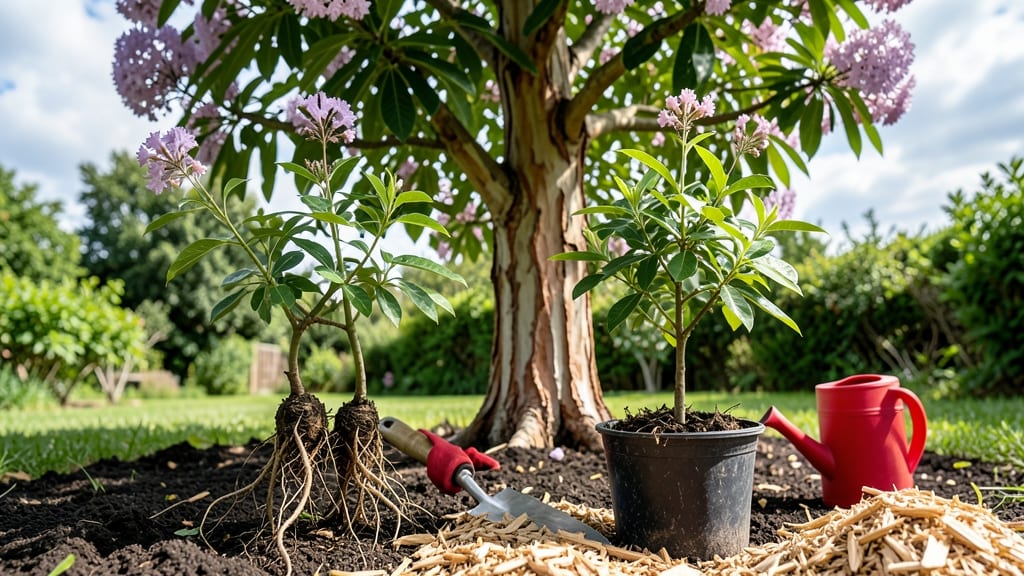
Planting your crepe myrtle 🌸 at the wrong time in Florida can mean struggling with weak roots and stunted growth—or worse, losing your tree before it even gets established.
The good news? Florida’s mild winters and long growing season mean you’ve got flexibility, but timing still matters for those vibrant blooms you’re dreaming of.
Most gardeners in 8a-11 zones know crepe myrtles thrive year-round, but the best window for planting actually depends on where you live.
Whether you’re in North Florida’s cooler climate or South Florida’s tropical heat, understanding your local microclimate can make the difference between a thriving tree and one that fights to survive.
In this guide, I’ll break down exactly when to plant your crepe myrtle based on your county—whether you’re in Tallahassee’s Zone 8a or Miami’s Zone 11.
You’ll learn the signs of perfect planting conditions, how to prepare your soil for strong root growth, and even advanced techniques to give your tree the best possible start.
Ready to plant with confidence? Let’s dive into the county-specific timing that’ll set your crepe myrtle up for decades of stunning fall blooms and easy-care beauty.
Florida county planting zones: best months for crepe myrtle root establishment
Florida’s climate zones dramatically impact when you should plant crepe myrtles. Unlike northern states, Florida’s USDA Zones 8a-11 mean you can plant year-round—but timing still matters for root strength and survival. In North Florida (Zone 8a), like Tallahassee, avoid planting in late summer due to hurricane risks.
Meanwhile, South Florida (Zone 10a/11), such as Miami, offers year-round planting, but late spring yields the best results.
Crepe myrtles thrive when soil temperatures stay above 60°F (15°C). In Central Florida (Zone 9a), like Orlando, this means planting from February through May or September through November.
For Panhandle regions (Zone 8a), like Pensacola, aim for March through April to avoid late spring frosts that can damage tender roots.
Here’s how Florida’s microclimates break down for optimal planting:
In North Florida, crepe myrtles planted in early spring (March–April) establish roots before summer’s heat stress. Meanwhile, South Florida’s warm climate allows planting in late spring (April–June) to avoid hurricane risks later in the year. Central Florida gardeners have flexibility with two planting windows: early spring and fall.
Pro tip: Use a soil thermometer to confirm temperatures are above 60°F (15°C) before planting. Crepe myrtles planted in cooler soil struggle to establish roots, leading to stunted growth or even death.
In Zone 8a, wait until after the last frost (typically mid-March), while Zone 10a/11 can plant anytime—just avoid hurricane season (June–November).
For container planting, Florida’s year-round warmth means you can plant crepe myrtles in pots anytime, but spring or fall still offers the best conditions. Containers dry out faster in summer’s heat, so monitor soil moisture closely.
In South Florida, container-grown crepe myrtles may need daily watering during peak summer to prevent root stress.
Always amend your soil with compost or organic matter to improve drainage—a critical factor in Florida’s clay-heavy soils.
Crepe myrtles hate waterlogged roots, so raised beds or mounded soil work well in areas with poor drainage. Mulch heavily (3–4 inches) with pine straw or wood chips to retain moisture and regulate soil temperature.
Finally, avoid planting during hurricane season (June–November in most of Florida). Young crepe myrtles are vulnerable to wind damage and flooding. If you must plant in late summer, choose a sheltered location and stake young trees for support.
With the right timing, your crepe myrtle will thrive for decades, providing vibrant blooms and low-maintenance beauty.
🌸
Signs your crepe myrtle planting timing is perfect (or terrible)
Crepe myrtles thrive when planted during Florida’s ideal soil temperature range of 60-75°F. The perfect timing shows up in leaf color and growth speed—dark green leaves indicate healthy roots, while yellowing or wilting means stress.
Pay close attention to these visual cues in the first 4-6 weeks after planting.
One of the first healthy root signals is rapid new growth—shoots emerging within 2-3 weeks suggest strong root establishment. In Florida’s humid climate, this growth is often accompanied by shiny, vibrant foliage.
If your crepe myrtle’s leaves appear dull or curled, it’s a red flag that planting timing may have been off.
🌱
Florida’s hurricane season (June-November) adds another layer of risk. Planting too late in this window can leave young crepe myrtles vulnerable to wind damage and soil compaction from heavy rains.
If you notice leaves curling inward or stems bending, your tree may have been planted during a high-stress period.
Another critical soil moisture indicator is how quickly water drains. If water pools around your crepe myrtle after 10-15 minutes, the soil is too dense for healthy roots. In contrast, well-draining soil should absorb water within 5 minutes, leaving the surface slightly damp but not soggy.
Use a trowel to test drainage before planting—this simple step can save your tree from root rot.
Finally, watch for pest activity like aphids or spider mites, which thrive on stressed plants. If you see sticky residue on leaves (aphids) or fine webbing (spider mites), your crepe myrtle may be struggling due to poor planting timing combined with environmental stress.
Address these issues with neem oil or insecticidal soap to give your tree a fighting chance.
🌿