
Planting
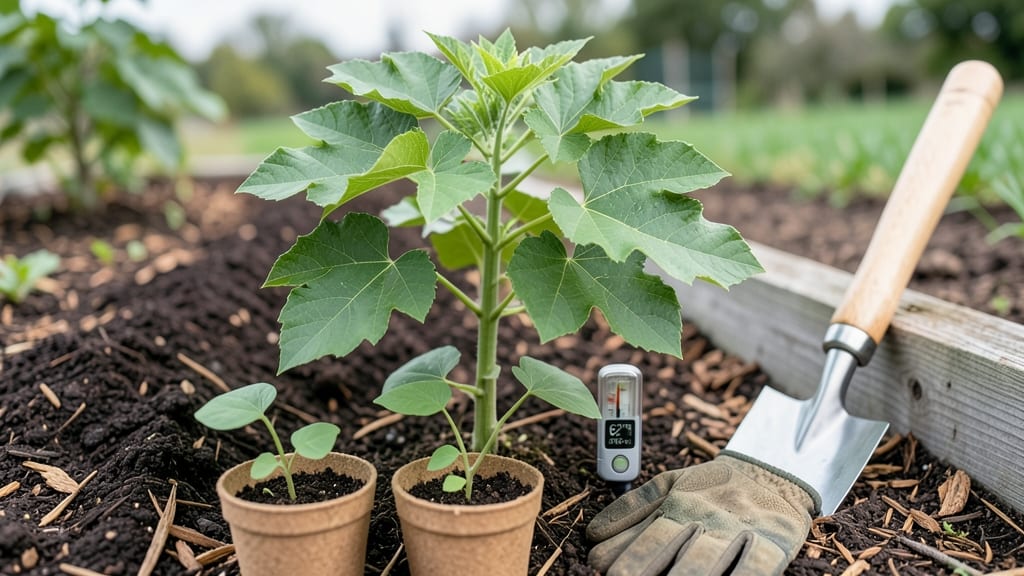
When to plant cotton in Texas isn't just about grabbing seeds and sticking them in the ground—it's about timing your crop to beat the heat and frost. In USDA zones 8a-10b, where cotton thrives, planting too early risks frost damage, while waiting too long means your plants will struggle under summer's relentless sun. Whether you're in North Texas or down in the Rio Grande Valley, getting this right is the difference between a bountiful harvest and wasted effort.
For most of Texas, the ideal window opens in March and stretches through May, but South Texas gardeners can start as early as February. The key? Wait until soil temperatures hit 60°F—that's when cotton seeds wake up and start growing.
Skipping this step means slow germination or seedlings that never make it past the seedling stage. Trust me, I've seen it happen more times than I'd like to admit.
Here's the good news: with the right timing, you'll be harvesting fluffy bolls from July through October, just in time for cooler weather. But before you rush out to buy seeds, let's break down exactly when to plant based on your specific Texas heat zone.
You'll learn how to adjust for early heatwaves, unpredictable rains, and even soil preparation tips that make all the difference. Let's get those cotton plants growing strong!
Why does this matter? Because cotton isn't just for farmers—home gardeners in Texas can grow it too, and with the perfect planting schedule, you'll maximize your yield and avoid common pitfalls.
Whether you're a first-timer or a seasoned gardener, these insights will help you plant with confidence and watch your cotton flourish. Let's dive into the details that make all the difference.
Texas heat zone planting deadlines for cotton success
Getting the timing right for cotton in Texas means understanding your USDA heat zone and last frost dates. North Texas (zones 7b-8a) faces later frost risks, while South Texas (zones 8b-10b) enjoys earlier planting.
The key is to plant when soil temperatures hit 60°F and 3 weeks after frost—any earlier risks frost damage, and delays stress young plants.
Cotton thrives in Texas's long, hot summers, but the planting window varies dramatically by region. In North Texas, aim for mid-April to early May when nights stay warm.
South Texas gardeners can start as early as late February to capitalize on the extended growing season. Even a 2-week delay can reduce yields by 15-20%.
Here’s how to match your zone to the perfect planting window:
| USDA Zone | Last Frost Date | Ideal Planting Window | Soil Temp Threshold | Days to Maturity |
|---|---|---|---|---|
| 7b-8a (North Texas) | Feb 15 - Mar 15 | Mid-April to early May | 60°F+ | 120-150 days |
| 8b-9a (Central Texas) | Feb 1 - Mar 1 | Late March to early April | 60°F+ | 130-160 days |
| 9b-10b (South Texas) | Jan 15 - Feb 15 | Late February to early April | 60°F+ | 140-180 days |
For example, if you're in Dallas (Zone 8a), wait until April 15 to plant—earlier risks frost, while later planting may stress plants before summer heat sets in. In Houston (Zone 9a), you can plant as early as March 1 to maximize the growing season.
Soil temperature is just as critical as air temperature. Use a soil thermometer to confirm 60°F at 2-inch depth before planting. Cold soil slows germination, leading to uneven stands. In North Texas, this often means waiting until mid-April even if frost has passed.
Pro tip: Pre-warm soil in cooler zones by covering beds with black plastic for 2-3 weeks before planting. This can shave 10-14 days off your planting timeline. Just remove the plastic 48 hours before sowing to avoid overheating seeds.
Remember, cotton needs 120-180 days to maturity, so calculate backward from your first frost date. For instance, in Lubbock (Zone 7b), planting by May 1 ensures harvest before frost. Use this 180-day rule to pick your variety and adjust planting dates.
Always check Texas A&M Extension for localized frost forecasts—some years, North Texas may see frost as late as April 1, pushing planting back to mid-May. Flexibility is key in Texas cotton growing!
🌱
Texas heat zone planting deadlines for cotton success
Texas stretches across USDA heat zones 8a through 10b, meaning planting deadlines vary dramatically from the Panhandle to the Rio Grande Valley. In North Texas (zones 8a-8b), wait until mid-March to early April when soil temperatures hit 60°F+ consistently.
Meanwhile, South Texas (zones 9a-10b) gardeners can start as early as late February—just 2-3 weeks after the last frost date. These windows ensure seedlings avoid frost damage while maximizing the 200+ frost-free days Texas typically offers.
For Central Texas (zones 8b-9a), aim for late March to early April planting. This timing balances frost risk with summer heat—cotton thrives in 80-95°F temperatures but wilts under extreme early heatwaves.
Always check local Texas A&M AgriLife Extension updates for real-time frost alerts and soil temperature data. Pro tip: Use a soil thermometer to confirm readiness—cotton seeds won’t germinate below 55°F.
| USDA Zone | Region | Last Frost Date | Planting Window | Soil Temp Threshold |
|---|---|---|---|---|
| 8a-8b | North Texas (Lubbock, Amarillo) | Feb 15 - Mar 15 | Mid-March to early April | 60°F+ (consistent) |
| 8b-9a | Central Texas (Austin, San Antonio) | Feb 1 - Mar 1 | Late March to early April | 60°F+ (consistent) |
| 9a-10b | South Texas (Houston, Brownsville) | Jan 15 - Feb 15 | Late February to early April | 58°F+ (minimum) |
Missed the ideal window? Don’t panic. South Texas growers can push planting to early May for late-season varieties, though yields may suffer. For North Texas, consider container gardening to extend the season—move pots indoors during unexpected cold snaps.
Always prioritize well-draining soil (cotton hates soggy roots) and full sun exposure (8+ hours daily). A black plastic mulch can warm soil faster in cooler zones.
Here’s a quick region check: If you’re in West Texas, wait until April 15 to avoid dryland stress. East Texas gardeners can start 2 weeks earlier due to higher humidity.
Test soil pH (aim for 6.0-7.0) and amend with compost or aged manure before planting. Remember: Slow, deep watering (1-2 inches per week) beats frequent light sprinkles.
For maximum boll production, align planting with local rainfall patterns. North Texas often needs supplemental irrigation in May, while South Texas may face summer droughts by July. Monitor leaf curl (sign of heat stress) and adjust shade cloth if temperatures exceed 100°F.
Pro growers swear by drip irrigation to keep foliage dry and prevent fungal diseases like boll rot.
Timing isn’t just about dates—it’s about plant resilience. Early plantings in zone 9b+ risk pest pressure from aphids, while late plantings in zone 8a may not mature before first frost. Use row covers for seedlings if nights dip below 50°F.
And here’s a Texas-specific hack: Plant early-season varieties (like ‘Deltapine 11’) in March for July harvests, then follow with late-season types (like ‘Paymaster HS 26’) in April for October yields. 🌱