
Plants
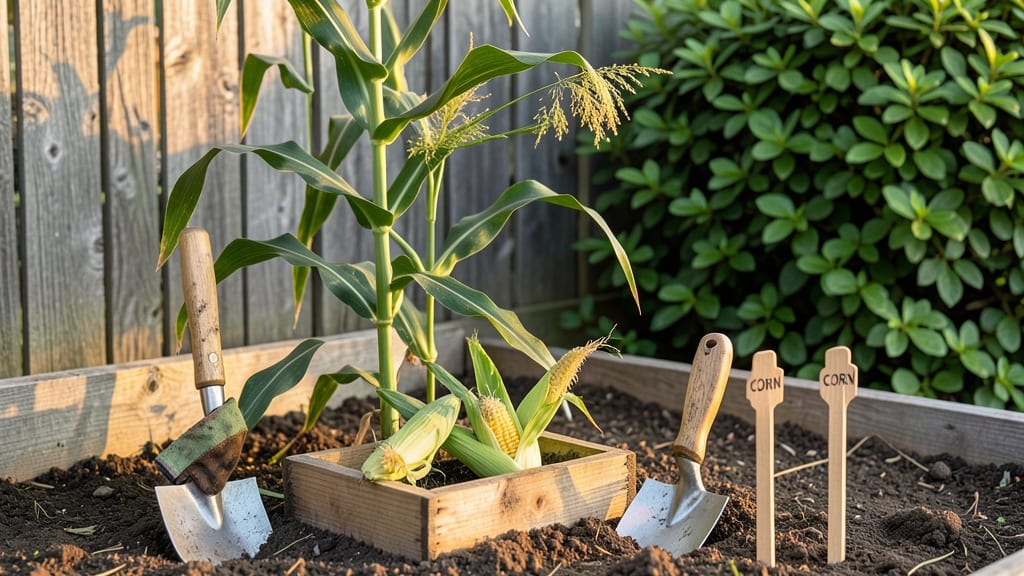
Timing your 🌽 corn planting in WV just right could mean the difference between a thriving garden and wasted effort—especially when West Virginia's microclimates throw frost dates and soil warmth into a wild mix.
Whether you're in the Panhandle's milder zones or the Appalachian highlands, getting those seeds in the ground at the perfect moment is the key to avoiding frost damage while maximizing summer harvests. I've seen firsthand how a few weeks' delay can turn a promising crop into a sad, stunted mess.
But here's the good news: with the right approach, you can learn how to sync your planting schedule with WV's unique growing conditions. We'll cover exactly when to start seeds indoors, when to transplant outdoors, and how to adjust for your specific corner of the state.
From early varieties that mature in 60 days to late-season giants that need 90 days of warmth, I'll show you how to match your corn choices with your local climate for the most reliable results. Let's get those ears growing!
Optimal planting dates for corn in West Virginia’s microclimates
West Virginia’s diverse geography—from the Panhandle’s warmer lowlands to the Appalachian Mountains’ cooler highlands—creates unique planting challenges for corn. The key is timing your plantings to align with soil temperatures (at least 50°F) and last frost dates, which vary by region.
In most areas, aim to plant 2–3 weeks after your last frost, but adjustments are critical for microclimates.
For example, Charleston (Panhandle) typically sees its last frost around April 15, while Elkins (Northern Panhandle) holds off until May 1. These differences can mean 3–4 weeks of variation in planting windows, directly impacting yield potential.
Understanding your specific zone ensures your corn matures before first fall frosts, which can hit as early as October 15 in higher elevations.
Here’s how to match your planting schedule to West Virginia’s three main microclimates:
| Region | Last Frost Date | Optimal Planting Window | First Frost Risk | Soil Temp Threshold |
|---|---|---|---|---|
| Panhandle (e.g., Martinsburg, Charleston) | April 10–15 | April 25–May 10 | Late October | 50°F+ (consistent) |
| Eastern Panhandle (e.g., Shepherdstown, Berkeley Springs) | April 15–20 | May 1–15 | Mid-October | 50°F+ (consistent) |
| Central Appalachia (e.g., Morgantown, Elkins) | May 1–10 | May 15–June 1 | Early October | 55°F+ (slower warming) |
Use a soil thermometer to confirm readiness—corn seeds won’t sprout reliably below 50°F. In cooler highland areas, consider black plastic mulch to warm soil faster. For the Panhandle, where summers are hotter, prioritize early-maturing varieties (60–70 days) to avoid drought stress in July and August.
Pro tip: Plant sweet corn varieties like ‘Silver Queen’ or ‘Peaches and Cream’ in the Panhandle by late April to harvest by early July, beating the heat.
In Central Appalachia, opt for late-season varieties (80+ days) like ‘Country Gentleman’ to extend harvests into September. Always stagger plantings in 2-week intervals for continuous harvests.
West Virginia’s humid continental climate means afternoon humidity can stress young corn plants. To mitigate this, ensure your planting site has well-draining soil and avoid low-lying areas where cold air pools. Raised beds or slightly elevated rows improve airflow and warmth, critical for germination success.
Don’t overlook succession planting—especially in the Panhandle, where short growing seasons demand efficiency. Plant a second crop of fast-maturing varieties (e.g., ‘Ambrosia’) in early June to harvest before first frost. This strategy maximizes yield in regions with limited frost-free days.
For high-altitude gardens (above 2,500 feet), extend your season with row covers or cold frames for early plantings. These tools can push your planting window back by 2–3 weeks, giving your corn more time to mature before fall frosts.
Monitor 7-day forecasts for heatwaves—corn needs consistent warmth to pollinate successfully.
Finally, track your local weather patterns for 2–3 years to refine your schedule. Some years, unexpected late frosts or early heatwaves can disrupt planting. By aligning with your microclimate’s history, you’ll minimize risks and maximize your corn’s potential in West Virginia’s diverse landscapes.
How to adjust planting timing for early vs. late varieties in WV
Choosing the right corn variety for West Virginia’s climate is just as important as timing. Early-maturing hybrids (like Silver Queen or Peaches and Cream) need only 60–70 days to reach harvest, while late-season varieties (such as Golden Bantam or Ambrosia) take 80+ days.
Your planting window shifts based on these differences to avoid summer drought stress or frost damage.
For early varieties, aim to plant between April 15–May 1 in most of WV. These fast growers can escape early summer heat and still mature before the first frost in late September. In higher elevations (like the Eastern Panhandle), delay until May 1–15 to ensure soil warmth.
Late varieties demand more precision. Plant them between May 15–June 1 in the Panhandle region or June 1–15 in the Appalachian highlands. These varieties need the extra time to develop robust ears, but planting too late risks stunted growth from shortened daylight or earworm pressure.
🌽 Key Adjustments for Variety Timing
- Early Varieties (60–70 days): Plant April 15–May 1 in lowlands; delay to May 1–15 in highlands.
- Mid-Season (70–80 days): Ideal window is May 1–20 statewide for balanced growth.
- Late Varieties (80+ days): Start May 15–June 1 in Panhandle; June 1–15 in Appalachia.
- Succession Planting: Stagger plantings every 2 weeks for continuous harvests.
- Soil Prep Tip: Add compost 2 weeks before planting to retain moisture for late varieties.
Succession planting is a game-changer in WV’s humid continental climate. By planting early, mid, and late varieties in staggered rows, you extend your harvest from late July through October.
For example, start with early sweet corn in April, follow with mid-season varieties in early May, and finish with late-season types in June.
Watch for soil temperature cues: Use a soil thermometer to confirm 50°F+ at 4-inch depth before planting. In WV’s variable spring weather, cold soils delay germination. If temperatures dip below 50°F, wait or use black plastic mulch to warm the soil faster.
Finally, account for drought risk in late summer. Late varieties planted after June 15 may struggle with WV’s July–August dry spells. Mulch heavily with straw or grass clippings to lock in moisture and reduce watering frequency from daily to every 2–3 days.