
Plants
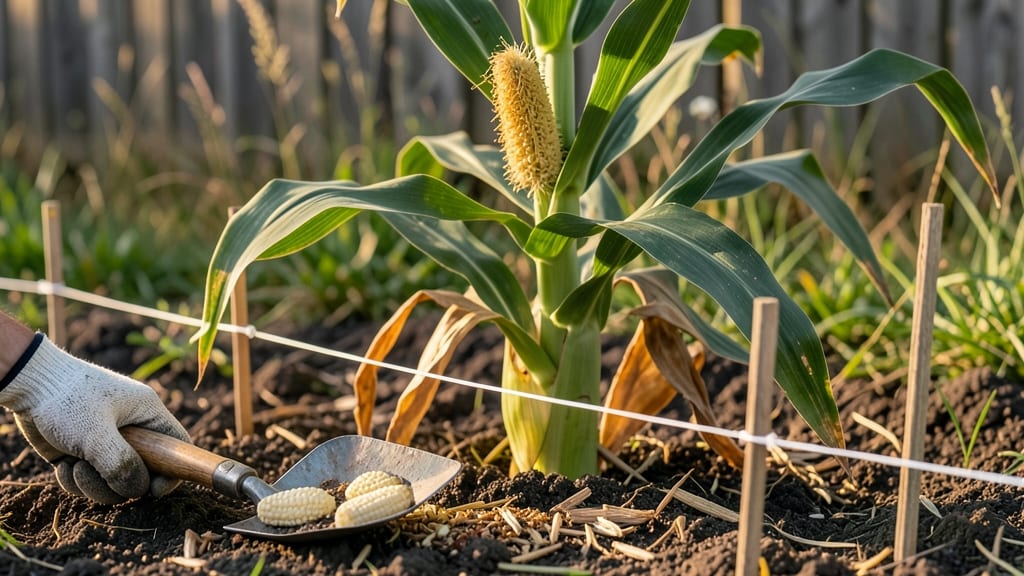
Planting corn in Pennsylvania at the wrong time can mean the difference between a bumper crop of sweet, juicy ears and a disappointing harvest.
With USDA Zones 5-7 across the state, timing matters more than you might think—especially when soil temperatures and last frost dates vary dramatically from one region to another.
Most gardeners in Pennsylvania aim to plant corn after the last frost, typically between late April and early May, when soil reaches a steady 50°F+.
But here’s the catch: the Appalachian foothills might still have frost lingering in early May, while the Susquehanna Valley could be too hot for germination if you wait too long. Getting this right is the key to avoiding stunted plants or pests.
In this guide, I’ll break down the exact planting windows for your specific zone, how to adjust for microclimates, and the most common mistakes Pennsylvania growers make.
Whether you’re in the humid southeast or the cooler northwest, you’ll learn how to time your planting for maximum yield—and why a few extra weeks can make all the difference.
Ready to grow corn that outshines your neighbors’? Let’s dive into the ideal dates and strategies that work for Pennsylvania’s diverse growing conditions.
Pennsylvania corn planting dates by USDA hardiness Zone: exact timing for zones 5-7
Pennsylvania spans USDA Zones 5a-7b, meaning corn planting dates vary dramatically from the Poconos' cooler climate to the hotter Susquehanna Valley. The golden rule? Wait until soil reaches 50°F+ at 4-inch depth—cold soil stunts roots.
Most gardeners aim for April 20 to May 15, but your exact window depends on your microzone and corn maturity group.
For Zone 5a (northern PA), plant late May to early June—earlier risks frost damage. Zone 6a/6b (central PA) can start mid-April if soil warms early, while Zone 7a/7b (southeast PA) may even plant early April.
Always check your last frost date (typically April 15-30 in most PA regions) and add 2-3 weeks for safety.
Corn needs 90-120 frost-free days to mature. A 100-day variety in Zone 7b might work, but the same corn in Zone 5a could fail. Match your corn variety to your growing season length—this is non-negotiable for PA gardeners.
For example, ‘Ambrosia’ (105 days) thrives in Zone 6b, while ‘Silver Queen’ (110 days) suits Zone 7a.
🌽 Pro Tip: Use a soil thermometer—plant only when temps stay above 50°F for 5+ days. Cold soil = poor germination.
| Zone | Ideal Planting Window | Soil Temp Requirement | Recommended Maturity Group | Last Frost Date (Avg.) |
|---|---|---|---|---|
| 5a (e.g., Erie, Scranton) | Late May to early June | 55°F+ (4" depth) | 110–120 days | May 10–20 |
| 6a/6b (e.g., Harrisburg, State College) | Mid-April to early May | 50°F+ (4" depth) | 100–110 days | April 15–30 |
| 7a/7b (e.g., Philadelphia, Pittsburgh) | Early April to mid-May | 48°F+ (4" depth) | 90–105 days | April 1–15 |
Pennsylvania’s three distinct growing regions further refine timing. The Southeast (Zone 7) enjoys earlier planting (as early as March 30 in protected microclimates), while the Northwest (Zone 5) may need to wait until June 1.
The Central Region (Zone 6) sits in the middle, with April 20–May 10 as the sweet spot.
Heat units (growing degree days) are your secret weapon. PA’s Susquehanna Valley accumulates 3,000+ heat units by late summer—ideal for sweet corn. In contrast, the Poconos may only hit 2,500 units, limiting you to earlier-maturing varieties.
Use a heat unit calculator (like the Penn State Extension tool) to fine-tune your schedule.
🌱 Warning: Planting too early in Zone 5a risks frost damage—young corn won’t recover. Conversely, delaying past June 1 in Zone 7b may yield small, underdeveloped ears before fall frosts.
For maximum yield, aim to harvest before September 15. This means starting seeds indoors 2–3 weeks before your outdoor planting date. Use biodegradable pots to avoid transplant shock when moving seedlings to the garden.
💧 Watering Tip: After planting, keep soil consistently moist (1–2 inches deep) until plants reach 12 inches tall. Drought stress = poor pollination = fewer ears.
Microclimate adjustments: how elevation, soil type, and water access shift planting windows
Pennsylvania’s landscape isn’t just about USDA zones—it’s also about elevation shifts and localized soil conditions that can push your planting window 1-3 weeks earlier or later.
For example, the Pocono Mountains (Zone 5a) often sees frost lingering until May 15, while Pittsburgh’s urban heat island may warm up 2 weeks sooner. These microclimates demand flexibility in your planting strategy.
Soil type plays a critical role too. Clay-heavy soils in Erie County retain cold longer, delaying planting by 7-10 days compared to sandy loam in Lancaster County. Meanwhile, flood-prone areas like the Allegheny River basin require raised beds or mounds to avoid waterlogged roots.
Adjusting your timeline for these conditions ensures your corn gets the warm, well-draining start it craves.
| Microclimate Factor | Adjustment Needed | Example PA Region |
|---|---|---|
| Elevation (High) | Delay planting by 10-14 days | Pocono Mountains (Zone 5a) |
| Elevation (Low) | Plant 7-10 days early | Susquehanna River Valley (Zone 6b) |
| Clay Soil | Wait for soil temp ≥60°F | Erie County |
| Urban Heat Island | Plant 2 weeks earlier | Pittsburgh |
| Flood-Prone Areas | Use raised beds | Allegheny River Basin |
For drought-prone western PA (e.g., Lebanon County), opt for drought-tolerant varieties like ‘Silver Queen’ or ‘Peaches and Cream’ and plant 1-2 weeks later to align with summer rains. These varieties mature faster, reducing water stress during Pennsylvania’s hot, dry July-August stretch. Pair them with mulch to retain moisture.
Water access also shifts timing. In well-irrigated home gardens, you can push early planting by 10 days in Zone 6a, but in dryland farming areas (e.g., Adams County), wait until mid-May to avoid stressing seedlings.
A simple soil moisture test—digging 2 inches deep—reveals if your garden can support early planting.
Don’t overlook wind exposure. Open fields in northwestern PA (e.g., Venango County) may need windbreaks or later planting to prevent lodging (falling over). Plant near hedgerows or fences to create shelter, or choose shorter varieties like ‘Bodacious’ for stability.
Finally, urban gardeners in Philadelphia’s Zone 7a can experiment with early April sowing indoors (under grow lights) and transplant after May 10. This extends the harvest window by 2-3 weeks compared to direct outdoor planting. Just ensure your seedlings get 12+ hours of light daily to avoid leggy growth.
By tuning your planting window to these microclimates, you’ll maximize yield and quality—no matter where in Pennsylvania your garden sits. Start with a local frost date guide (available from your Penn State Extension office) and adjust based on your specific conditions.
Your corn will thank you with bigger ears and sweeter kernels! 🌱