
Plants
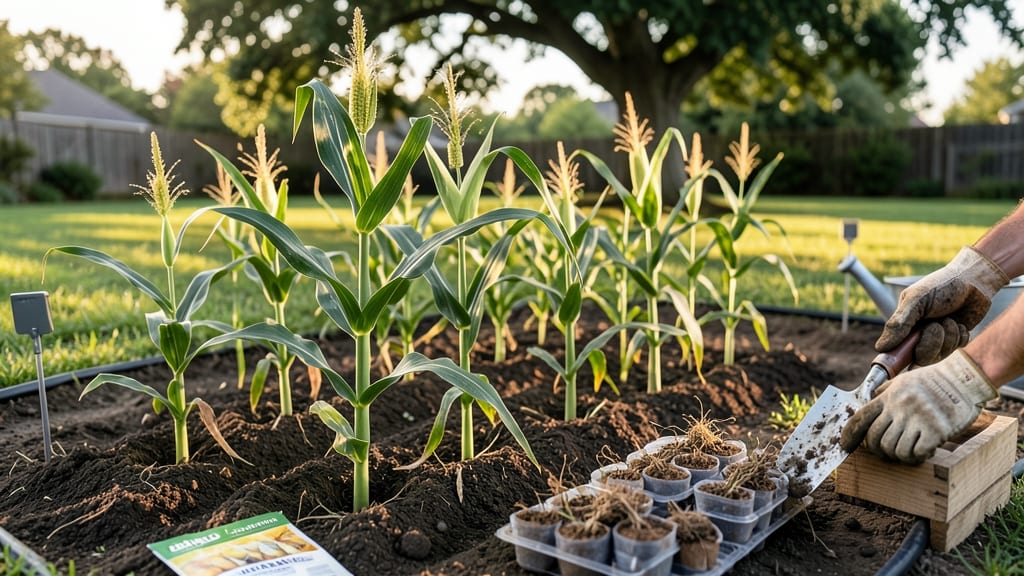
Knowing when to plant corn in Zone 8a can mean the difference between a bumper crop of sweet 🌽 and a disappointing harvest.
Unlike colder zones, your shorter growing season demands precision—plant too early, and frost will nip your tender seedlings; too late, and your corn won’t mature before fall’s first chill.
Here’s the secret: timing isn’t just about calendar dates—it’s about soil temperature, microclimates, and choosing the right varieties that thrive in your specific corner of Zone 8a. Whether you’re dealing with coastal breezes or inland heat, these adjustments will help you maximize your harvest window.
I’ll break down the exact planting window, soil prep tips, and variety recommendations tailored to your zone’s unique conditions. By the end, you’ll know not just when to plant, but how to set your corn up for success from day one.
Ready to grow corn that’s tall, sweet, and ready to harvest by summer’s end? Let’s get started.
Optimal planting dates for corn in Zone 8A based on soil temperature
In Zone 8A, where frost-free days average 210 days, timing your corn planting is critical. The last frost date typically falls around March 15, but soil temperature is your true guide—not the calendar.
Corn seeds need soil temps of 50°F+ to germinate reliably, and 60°F+ for optimal growth.
For most Zone 8A gardeners, this means planting late March to early April after the last frost. However, coastal areas may warm faster, while inland regions might need to wait until mid-April to avoid cold snaps. Always check your local microclimate—low-lying spots stay colder longer.
Here’s the key: Early varieties (like 'Silver Queen', 70-day maturity) can handle cooler soils, while late varieties (like 'Peaches and Cream', 90-day maturity) need warmer soil to avoid stunted growth. Planting too late risks ears maturing before the first frost (November 15 in Zone 8A).
| Stage | Action | Soil Temp | Zone 8A Window |
|---|---|---|---|
| Soil Prep | Add compost, till soil | N/A | February-March |
| Plant Seeds | 1" deep, 4-6" apart | 50°F+ | Late March-Early April |
| Germination | Keep soil moist | 60°F+ | 7-14 days |
| Harvest Ready | Silks brown, kernels milky | N/A | July-September |
If you’re in a cooler microclimate (e.g., higher elevation), consider starter plants or black plastic mulch to warm soil faster. For coastal Zone 8A areas, you might even squeeze in a second planting in early June for a late-summer harvest—just choose short-season varieties (under 85 days).
Pro tip: Use a soil thermometer to confirm temps. If your soil hasn’t hit 50°F by mid-April, delay planting. Corn won’t wait, but neither should you—late planting leads to smaller ears and poor pollination. Plant in blocks, not rows, to improve cross-pollination among your stalks.
For Zone 8A gardeners, the ideal planting window is 2-4 weeks after your last frost, but always prioritize soil warmth over calendar dates. A 5-day stretch below 50°F can delay germination by weeks, so stay flexible. Use row covers if nighttime temps dip below 55°F after planting.
Remember: Corn is a warm-season crop, and Zone 8A’s short frost-free season demands precision. Plant too early, and frost will kill seedlings; too late, and you’ll harvest tiny, underdeveloped ears. Balance is everything—soil temp, variety choice, and microclimate are your tools for success.
Once your corn is up, monitor for tasseling (male flowers) and silking (female flowers). If silks dry out before pollination, you’ll end up with barren ears. Keep soil consistently moist during this critical 10-day window—that’s when your harvest potential is decided.
🌽
Microclimate adjustments: how to extend your corn growing season
Zone 8A’s short growing season (about 210 frost-free days) demands smart adjustments to keep your corn thriving. The key? Warming soil faster and choosing varieties that mature quickly—like 'Silver Queen' (75 days) or 'Peaches and Cream' (80 days).
These heat-tolerant types handle your region’s late spring warmth better than longer-season varieties.
Start by testing your soil temperature with a thermometer—corn needs 50°F+ soil to germinate. If your soil heats up slowly, use black plastic mulch to raise temperatures by 5-10°F.
Lay it down 1-2 weeks before planting to give your seeds a head start in cooler microclimates like coastal areas.
For gardeners in inland Zone 8A with hotter microclimates, focus on shade cloth during extreme heat (above 90°F). This protects young plants from bolt stress while still allowing 6-8 hours of sunlight. Pair this with drip irrigation to maintain consistent moisture—corn wilts fast in dry spells.
🌱 Extending Your Corn Season: Pros & Cons
✅ DO THIS
- Use black plastic mulch to warm soil faster
- Plant heat-tolerant varieties (70–85 days to maturity)
- Water deeply in morning to prevent fungal risks
- Choose early-maturing types like 'Ambrosia' (72 days)
❌ AVOID THIS
- Avoid long-season varieties (90+ days to maturity)
- Don’t plant before soil hits 50°F—seeds rot in cold soil
- Skip shade cloth if temps stay below 80°F—corn needs sunlight
- Never water at night—increases disease risk
Another trick? Succession planting in late May or early June for a second harvest. Choose short-season varieties like 'Bodacious' (70 days) and plant in small blocks (not rows) to boost pollination. This works best in warmer microclimates near buildings or fences that trap heat.
For coastal Zone 8A gardeners, pair corn with fast-growing companions like beans or radishes. These plants fix nitrogen and shade soil to retain moisture. Just avoid planting near tomatoes or potatoes, which compete for nutrients and attract the same pests.
Finally, keep an eye on your local microclimate. A spot near your house may stay 5°F warmer than your garden’s edge—use this to your advantage by planting heat-loving corn there first.
With these adjustments, you’ll maximize your Zone 8A corn harvest and enjoy fresh ears from July through September!