
Plants
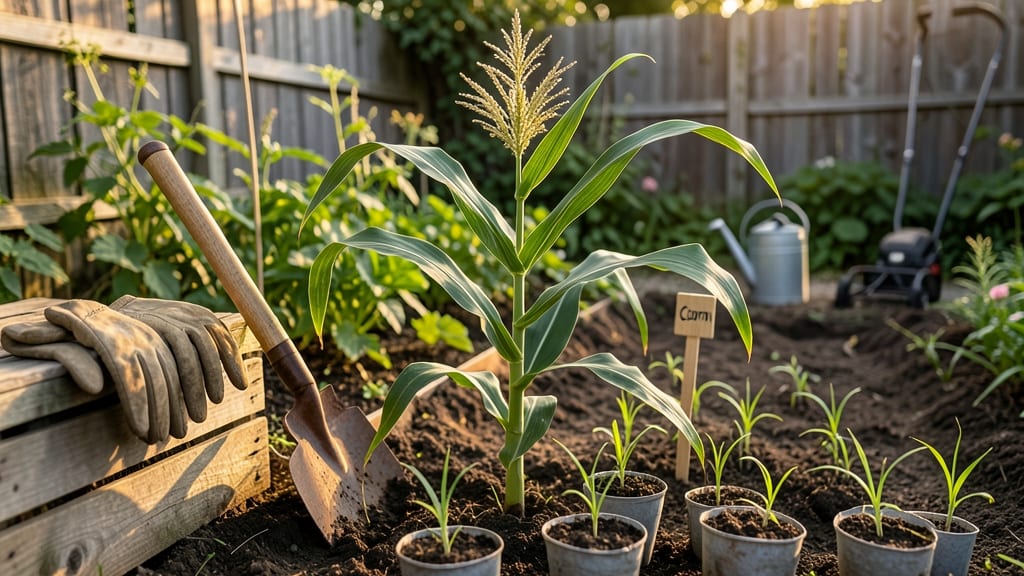
Timing your corn 🌽 planting in Colorado can make or break your harvest—get it wrong, and you might end up with frost-nipped seedlings or a late-season disappointment.
Unlike warmer climates, Colorado’s elevation zones create dramatic differences in frost-free dates, meaning what works in Denver won’t cut it on the Western Slope.
The key to success lies in waiting until soil temperatures hit a steady 50°F and the last frost has passed—typically between mid-April and early June, depending on your elevation. High-altitude gardeners in zones 5-7b often need to start seeds indoors or choose early-maturing varieties to beat the short growing season.
I’ll walk you through the exact planting windows for lowland, mid-elevation, and high-altitude areas, plus pro tips for extending your season with mulch or row covers. Whether you’re a first-time gardener or a veteran grower, these insights will help you time your planting perfectly for sweet, homegrown corn.
Ready to avoid common mistakes and maximize your yield? Let’s dive into the frost-free dates and soil prep strategies that work best for Colorado’s unique climate.
Colorado corn planting dates by elevation Zone and last frost dates
Colorado’s elevation zones dramatically impact when you can plant corn successfully. Unlike flat landscapes, high-altitude areas like Denver (5,280 ft) or Steamboat Springs (6,700 ft) have shorter growing seasons than lower Front Range valleys.
Understanding your USDA Hardiness Zone (typically 5-7b) is key to avoiding frost damage and maximizing your harvest.
Corn seeds need soil temperatures of 50°F+ to germinate properly. In Colorado, this often means waiting until mid-to-late May for low elevations, but June 1-15 for areas above 7,500 feet.
Using a soil thermometer ($10 at garden centers) is the most accurate way to confirm readiness—don’t rely solely on calendar dates.
Here’s how to match your elevation to the perfect planting window:
| Elevation Zone | Avg. Last Frost | Planting Window | Soil Temp Goal | Recommended Varieties |
|---|---|---|---|---|
| Lowland (3,000–5,000 ft) | April 20–May 10 | Mid-April to May 15 | 50°F+ (10°C+) | Golden Bantam (85 days), Silver Queen (110 days) |
| Mid-Elevation (5,000–7,500 ft) | May 1–May 20 | Late May to June 1 | 55°F+ (13°C+) | Early Sunglow (75 days), Peaches and Cream (90 days) |
| High Elevation (7,500+ ft) | June 1–June 15 | June 15–July 1 | 60°F+ (16°C+) | Ambrosia (80 days), Bodacious (95 days) |
For Denver metro area gardeners (Zone 5b), aim for late April to early May planting.
If you’re in Colorado Springs (Zone 6a), you can start as early as mid-April, but always check your local CoCoRaHS frost data for real-time updates. Mountain towns like Telluride (Zone 6b) should wait until June 15 to avoid late-spring frosts that can kill young seedlings.
Pro tip: Use black plastic mulch to warm soil faster in cooler zones. Lay it down 2–3 weeks before planting to create a 5–10°F warmer microclimate. This trick lets you plant 2–3 weeks earlier in high-altitude gardens without risking frost damage.
Corn also benefits from warm-season companions like beans or squash. These plants help suppress weeds and retain moisture—critical in Colorado’s dry summers. Just avoid planting near potatoes or tomatoes, which can compete for nutrients.
Remember: Direct sowing is best for corn—it hates transplanting. Start seeds 1 inch deep, 12 inches apart, and thin to 8–12 inches between plants. For high-elevation gardens, choose dwarf varieties (like Mini-Max) to reduce wind damage and improve pollination rates.
After planting, monitor for cutworms (common in Colorado) by checking for chewed stems at soil level. Handpick them early morning when they’re sluggish, or use diatomaceous earth as a natural barrier.
With the right timing, your corn plants will reach 6–10 feet tall and produce ears by late summer—worth the effort!
🌽
How to adjust corn planting for Colorado’s microclimates and soil types
Colorado’s microclimates and soil variations demand smart adjustments to your corn planting plan. For example, Denver’s Front Range (5,000–6,000 ft) enjoys longer growing seasons, while high-mountain valleys (8,000+ ft) face shorter frost-free windows. Here’s how to adapt your approach for success.
First, prioritize early-maturing varieties (85–110 days) for elevations above 7,000 ft. Varieties like ‘Early Sunglow’ or ‘Golden Bantam’ thrive in cooler conditions and reach harvest before first frost. In lower elevations, you can afford slightly slower varieties like ‘Silver Queen’ (110 days) for a longer harvest window.
Next, use season-extending tools to protect tender corn seedlings. Black plastic mulch warms soil faster in spring, while row covers shield young plants from late frosts. For high-altitude gardens, consider planting near south-facing slopes or in microclimates sheltered by hills—these spots gain extra warmth and sunlight.
🌽 Numbered Highlights: Colorado Corn Adaptations
- 1. Soil Prep: Amend clay-heavy soils (common in eastern Colorado) with compost or sand to improve drainage. Corn roots need oxygen-rich soil to thrive.
- 2. Watering: Use drip irrigation in western Colorado to conserve water. Corn needs 1–2 inches per week, but sandy soils dry faster.
- 3. Drought Tolerance: Choose drought-resistant varieties like ‘Pioneer Brand 38W53’ for arid regions. Mulch heavily to retain moisture.
- 4. High-Altitude Tip: Start seeds indoors 2–3 weeks earlier (using grow lights) if your zone has a short frost-free season.
- 5. Pollination Boost: Plant multiple rows (not single rows) to improve cross-pollination, especially in windy high-elevation areas.
Don’t overlook soil temperature—corn seeds won’t germinate until soil reaches 50°F+. Use a soil thermometer to monitor warmth, especially in cooler zones. If spring dawdles, opt for biodegradable seed blankets to jumpstart growth.
For western Colorado’s drought-prone areas, focus on water efficiency. Drip irrigation or soaker hoses deliver moisture directly to roots, reducing evaporation. Pair this with straw mulch to lock in humidity. Even in wetter eastern regions, avoid overwatering—soggy soil can cause root rot.
Finally, rotate planting locations yearly to prevent soil-borne diseases like fusarium wilt, which thrives in Colorado’s humid summers. Crop rotation also replenishes nutrients, keeping your corn vigorous season after season.