
Plants
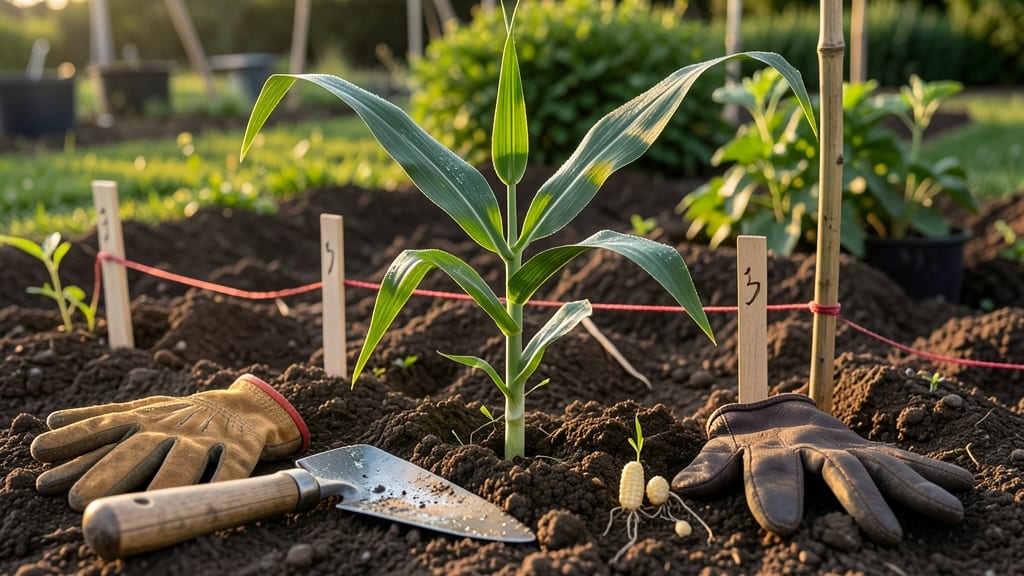
Planting corn in Indiana isn't just about tossing seeds into the dirt—it's about nailing the perfect window between frost risks and summer heat. With Indiana's Zone 6a climate, timing matters more than you might think, especially when those 🌽 stalks need 165 frost-free days to reach harvest.
Skip the guesswork and learn the exact soil temperature cues and frost-free deadlines that separate a thriving garden from a wasted effort.
Most Indiana gardeners swear by mid-April to early May as the sweet spot, but what if your spring drags on? We'll break down how to read your soil's temperature (yes, it matters more than the calendar) and adjust for those pesky late frosts that love to sneak in.
Whether you're in northern Indiana where frost lingers longer or southern Indiana where heat arrives early, you'll know exactly when to plant for maximum yields.
You'll also discover how to choose corn varieties that match Indiana's short growing season—because not all corn is created equal. Plus, we'll cover backup strategies for wet springs or delayed starts so you're never left scrambling.
Ready to grow corn that rivals the pros? Let's get your planting schedule locked in.
The best part? These tips work whether you're a first-time gardener or a seasoned Hoosier farmer. By the end, you'll plant with confidence, knowing your 🌽 has the best shot at thriving in Indiana's unpredictable spring. No more second-guessing—just perfect timing for your corn patch.
Indiana corn planting dates based on soil temperature & frost deadlines
Indiana’s corn planting window hinges on two critical factors: soil temperature and last frost dates. Unlike many crops, corn thrives best when the ground warms to 50–60°F—cold soil slows germination and invites rot.
In Indiana’s USDA Zones 5b–6a, this typically aligns with mid-April to early May, but regional differences matter.
Northern Indiana (e.g., Gary, Fort Wayne) often waits until late April or early May due to colder springs, while Southern Indiana (e.g., Evansville, Louisville) can plant as early as mid-April.
The average last frost date for most of Indiana is around April 15, but late frosts can push planting back by weeks.
Why timing matters: Corn’s growing season is short (60–120 days), and planting too late risks immature harvests before Indiana’s first frost (October 15). For example, a 90-day variety planted on May 15 will mature by August 13, leaving a buffer before frost.
| Region | Last Frost Date | Ideal Planting Window | Soil Temp Threshold |
|---|---|---|---|
| Northern Indiana (Zone 5b) | April 20–May 5 | Late April–early May | 55–60°F |
| Central Indiana (Zone 6a) | April 10–20 | Mid-April–late April | 50–55°F |
| Southern Indiana (Zone 6a) | March 30–April 15 | Mid-April–early May | 50–60°F |
🌽 Pro Tip: Use a soil thermometer to confirm temps—corn seeds won’t sprout below 50°F.
Indiana’s microclimates complicate timing. For instance, low-lying areas (like Vincennes) may frost later than hillsides, while urban heat islands (e.g., Indianapolis) can warm sooner. To hedge bets, plant test rows 1–2 weeks apart and monitor local weather forecasts for frost advisories.
Another key factor is corn’s sensitivity to cold soil. If you plant too early, seeds may rot in 40–50°F soil. Use a soil warming trick: lay black plastic mulch 1–2 weeks before planting to raise ground temps by 5–10°F.
This is especially useful in Northern Indiana, where springs are cooler.
For precision timing, track Indiana’s 30-year frost averages from the National Oceanic and Atmospheric Administration (NOAA). For example, South Bend averages its last frost on May 1, while Terre Haute sees frost by April 25. Adjust your planting date 1–2 weeks after these averages for safety.
If you’re unsure, err on the side of planting slightly late. Corn planted in early May often outperforms late-April plantings in Northern Indiana due to frost risks. However, avoid waiting past June 1, as late corn may not mature before Indiana’s first frost in October.
For container-grown corn, start seeds indoors 4–6 weeks before your last frost date. Transplant seedlings when soil is 60°F+ and they’re 6–8 inches tall. Containers warm faster than soil, so monitor temps closely—50°F soil can still stunt growth.
Remember: Indiana’s corn yield potential drops by 1–2% per day planted after optimal timing. By mastering soil temps and frost dates, you’ll maximize your harvest—whether you’re growing sweet corn, field corn, or popcorn.
Indiana corn planting dates based on soil temperature & frost deadlines
Indiana’s USDA Zone 6a climate creates a tight window for planting corn—typically between mid-April and early May. But don’t rely solely on the calendar. Corn thrives when soil temperatures hit 50–60°F, not air temperature.
In northern Indiana, where frost lingers longer, wait until after April 15, while southern Indiana gardeners can start as early as late March under row covers.
The key is balancing frost-free days (Indiana averages 165 days) with soil warmth. Planting too early risks frost damage to young seedlings, while waiting too long cuts harvest time short.
Most Indiana growers aim for 30–45 days before the last expected frost, but soil temperature is the real deciding factor.
Here’s your Indiana corn planting timeline based on regional averages:
| Region | Last Frost Date | Ideal Planting Window | Soil Temp Requirement |
|---|---|---|---|
| Northern Indiana (Zone 5b) | April 22 | Mid-May to early June | 55–60°F (use black plastic) |
| Central Indiana (Zone 6a) | April 15 | Late April to mid-May | 50–55°F (wait for warmth) |
| Southern Indiana (Zone 6b) | March 25 | Late March to April | 45–50°F (use row covers) |
Use a soil thermometer to confirm readiness—corn roots struggle in cold soil. For extra safety, plant early-maturing varieties (85–95 days) in northern Indiana or full-season types (110+ days) in southern areas. This ensures your 🌽 has enough time to mature before Indiana’s first frost in October.
Pro tip: If your soil stays cold past May 1, consider black plastic mulch to warm the ground faster. This trick adds 2–3 weeks to your planting window without risking frost damage. Just remove the plastic once seedlings emerge to prevent overheating.
Remember, Indiana’s weather is unpredictable—always have a backup planting plan for late starts. Whether you’re in Gary or Garysburg, these guidelines will help you plant corn with confidence and avoid common mistakes that waste time and yield.