
Plants
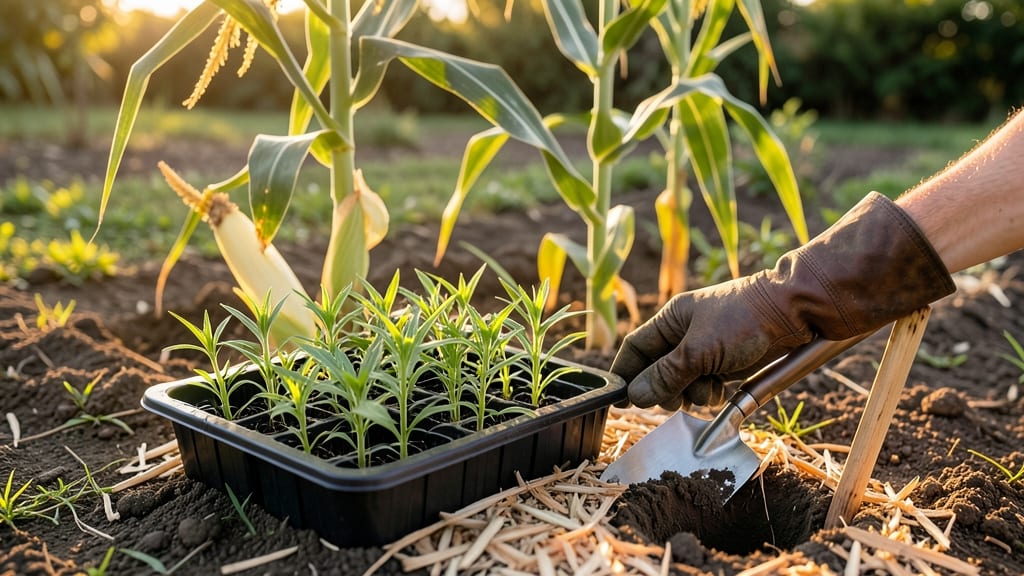
If you’ve ever dreamed of planting corn in South Florida and harvesting crisp, sweet 🌽 straight from your garden, timing is the secret weapon you can’t afford to miss.
Unlike northern growers who play by frost rules, Florida’s frost-free climate means you can plant corn year-round—but getting the schedule wrong could mean bland, starchy ears or even total crop failure.
Here’s the game-changer: Plant too early, and your corn might bolt in the heat; too late, and you’ll miss peak sweetness during the dog days of summer.
I’ll break down the exact weeks to start seeds or transplant seedlings in your specific zone (10b-11), so you can enjoy homegrown corn from March through October without a single frost-related worry.
What makes this even better? South Florida’s long growing season lets you squeeze in multiple harvests—just adjust your planting schedule by variety and microclimate.
Whether you’re growing sweet corn for the grill or field corn for hominy, I’ll show you how to align your calendar with soil temperatures, rainfall patterns, and even urban heat islands.
Ready to turn your backyard into a cornucopia? Let’s dive into the precise planting windows, soil prep tricks, and variety tips that’ll have your neighbors begging for your secret—and your extra ears.
South Florida corn planting calendar: exact weeks by season for frost-free harvests
South Florida’s frost-free climate means you can grow corn almost any time, but timing still matters to avoid heat stress and maximize sweetness. Unlike northern regions, we don’t worry about frost, but soil temperatures and humidity play critical roles.
The best planting windows align with cool mornings and warm afternoons, which help prevent disease and bolting.
For peak harvests, focus on January through April for spring plantings and September through October for fall crops. These periods offer ideal 60–75°F soil temperatures—perfect for germination. Summer plantings are possible but require extra shade cloth and consistent watering to protect tender seedlings from intense sun.
Here’s your week-by-week planting guide, tailored to South Florida’s microclimates. Whether you’re in Miami’s humidity, Naples’ dry heat, or Fort Lauderdale’s coastal breeze, these timelines ensure zero frost risk and optimal yields.
For Miami and coastal areas, prioritize spring and fall plantings due to higher humidity. In Naples and inland zones, summer plantings work better thanks to lower humidity and less rain. Always check your local microclimate—even a few miles can change soil moisture and heat exposure.
Pro tip: Use a soil thermometer to confirm temperatures before planting. Corn seeds need consistent warmth to germinate—if your soil is below 60°F, wait a week or use black plastic mulch to warm it faster. This trick adds 2–3 weeks of growing time in cooler pockets of South Florida.
If you’re aiming for year-round harvests, stagger plantings every 3–4 weeks from January through October. This ensures a continuous supply of fresh ears while avoiding overcrowding. Just remember: summer plantings need extra care—shade cloth, mulch, and daily watering are non-negotiable.
One common mistake? Planting too late in spring and missing the peak sweetness window. Corn planted in late April or May often struggles with heat stress, leading to tough, starchy kernels. Stick to the early spring schedule for the sweetest results.
For container growing, adjust timelines slightly—pots heat up faster. Plant 2–3 weeks earlier in spring and 2 weeks later in fall to account for this. Use large containers (5+ gallons) and keep them in partial shade during summer afternoons.
🌽
5 Critical factors that determine your corn planting success in South Florida
South Florida’s frost-free climate means you can grow corn almost year-round, but success depends on more than just timing. These 5 critical factors will make or break your harvest—especially in our humid, heat-prone region. Let’s break down what truly matters beyond the calendar.
First, soil temperature is non-negotiable. Corn seeds need soil at at least 60°F to germinate properly. In Miami or Fort Lauderdale, this usually happens by mid-January, but inland areas like Naples may need to wait until late February.
Always check with a soil thermometer before planting—cold soil delays germination and invites pests.
Next, soil pH plays a huge role. Corn thrives in slightly acidic to neutral soil (pH 6.0–7.0). South Florida’s sandy soils often lean acidic, so test your soil and amend with lime if needed.
A quick fix? Mix in composted manure or wood ash to raise pH naturally. Ignoring this step leads to stunted growth and poor ear development.
Don’t overlook moisture consistency. Corn is drought-sensitive, especially during tasseling (when pollen forms). While South Florida gets plenty of rain, urban areas (like Miami’s heat islands) dry out faster.
Use black plastic mulch to retain moisture and drip irrigation to deliver water directly to roots. Overwatering is just as bad—it causes root rot and fungal diseases like corn smut.
Another game-changer is variety selection. Not all corn handles South Florida’s heat and humidity equally. Early-maturing varieties (60–70 days to harvest) like ‘Silver Queen’ or ‘Peaches and Cream’ avoid the worst summer heat, while drought-tolerant hybrids like ‘Pioneer 84G53’ survive dry spells.
Planting the wrong variety means smaller ears or bitter kernels—neither is ideal.
Finally, microclimate matters. Coastal areas (e.g., Key West) stay cooler and wetter, while inland zones (e.g., Homestead) hit 90°F+ faster. Adjust your schedule: Coastal gardeners can plant 2–4 weeks earlier than inland growers.
Urban gardens with pavement heat may need shade cloth during peak summer to protect young plants from scorching.
Pro tip: Pair these factors with succession planting. In South Florida, you can stagger plantings every 2–3 weeks from January to August for a continuous harvest.
Just ensure each batch gets the right conditions—warm soil, balanced moisture, and the right variety—or you’ll end up with a patchy yield.