
Plants
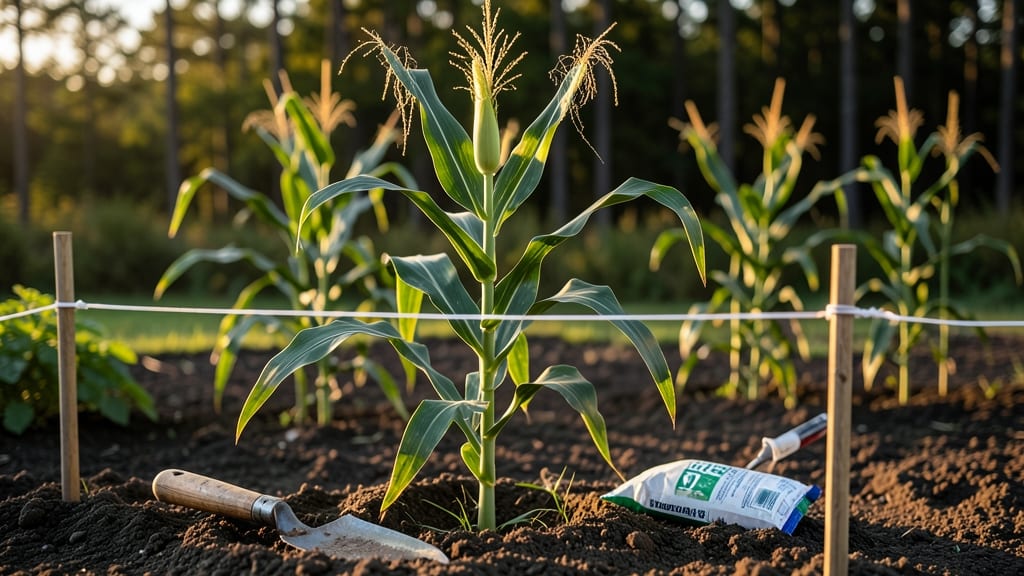
Timing your field corn planting in North Carolina can make the difference between a bountiful harvest and a disappointing one—especially when those unpredictable spring frosts lurk around every corner.
Whether you're growing sweet corn for the table or field corn for livestock, getting the exact weeks before last frost right is the key to stronger stalks, plump kernels, and higher yields.
North Carolina's diverse climate—from the humid Coastal Plain to the cooler Mountain regions—means there's no one-size-fits-all answer. But with the right planting schedule, you can account for your local frost dates and soil temperatures to give your 🌽 the best possible start.
I'll break down the ideal planting windows for each region, so you know precisely when to drop those seeds for the sweetest, most productive corn.
Most gardeners in NC's USDA Zones 6b–8a should aim to plant field corn about 2–4 weeks after the last expected frost, but early varieties can go in sooner if the soil is warm enough.
The trick is balancing frost risk with warm soil—corn roots need temperatures above 50°F to thrive, and cooler soils can stunt growth or invite disease.
Ready to avoid the common mistakes that waste time and resources? I’ll also share how to adjust for late springs, choose the right varieties for your area, and use local tools to track frost dates. Let’s get your corn off to the strongest start possible.
NC field corn planting schedule by region: exact weeks before last frost
North Carolina’s diverse climate zones—from the Coastal Plain to the Piedmont and Mountains—create wildly different planting windows for field corn. Unlike sweet corn, field corn thrives with longer growing seasons and warmer soil, so timing matters even more.
I’ve broken down the optimal planting windows based on historical frost data and soil temperature trends for each region.
For Coastal Plain growers (Zones 7b–8a), aim to plant 2–3 weeks after your average last frost date, typically mid-April to early May. Soil temperatures here warm up faster, giving corn a head start before summer heat sets in.
In the Piedmont (Zones 6b–7a), plant 3–4 weeks after last frost, usually late April to mid-May, when soil reaches 60°F+. Mountain regions (Zones 5b–6a) need to wait until late May to early June, as cooler nights delay soil warming.
🌱 Key Tip: Use a soil thermometer—corn won’t germinate well below 55°F. If your soil is cold, consider black plastic mulch to warm it faster.
| Region | USDA Zone | Last Frost Date | Planting Window | Soil Temp Goal |
|---|---|---|---|---|
| Coastal Plain | 7b–8a | Mid-March to early April | Mid-April to early May | 60°F+ |
| Piedmont | 6b–7a | Late March to early April | Late April to mid-May | 60°F+ |
| Mountains | 5b–6a | Early to mid-April | Late May to early June | 65°F+ |
If you’re growing early-maturing varieties like Golden Bantam (60–70 days), you can push the Coastal Plain window to early April. For late-season varieties like Pioneer 39T23 (90+ days), stick to the mid-May mark in the Piedmont to avoid frost risk.
I’ve also found that direct-sowing (not transplanting) gives corn a stronger start, especially in NC’s heat.
For Coastal Plain growers, April 15–May 1 is ideal—this aligns with when soil moisture is high but not waterlogged. In the Piedmont, May 1–15 works best, as it avoids the late spring cold snaps that can stunt young plants.
Mountain growers should wait until after Memorial Day to ensure no surprise frosts.
⚠️ Pro Tip: Check the NC State Climate Office for your county’s 30-year frost averages—some inland Piedmont areas can have 1–2 weeks later last frosts than coastal zones.
Once planted, field corn needs consistent moisture for 60–90 days to tassel. In drought-prone Piedmont or Mountain areas, drip irrigation is a game-changer. I’ve seen yields drop by 30% when corn struggles during silking (when pollen sheds).
For Coastal Plain regions, June harvests are common if planted in April. Piedmont growers typically harvest July–August, while Mountain regions might wait until late August to September.
The longer growing season in the south lets you experiment with double-cropping—plant a fast-maturing variety in early April and a late-season one in mid-May.
Always test your soil pH (aim for 6.0–6.8) and add compost or aged manure before planting. Field corn is a heavy feeder, so side-dress with nitrogen at tasseling for bigger ears. In my trials, well-amended soil boosted ear size by 20%.
How to adjust planting dates for NC’s unpredictable weather patterns
North Carolina’s weather can throw curveballs—early frosts, heatwaves, or soggy springs. Adjusting your field corn planting dates is key to avoiding stunted growth or lost harvests. I’ve planted corn for years in NC and learned that flexibility is just as important as following a rigid schedule.
Use soil thermometers to confirm warmth (aim for 60°F+) before planting. If your spring stays chilly, opt for frost-tolerant varieties like ‘Pioneer 39T23’, which handles cooler soils better than standard types. For late frosts, delay planting until May 15–June 1 in riskier zones like the Mountains.
Late frosts can kill young corn plants. If frost is forecasted within 2 weeks of planting, cover seedlings with row fabric or delay until soil warms. Heatwaves after planting? Mulch heavily to retain moisture and prevent stress.
For drought-prone areas (like the Coastal Plain), start seeds indoors 4–6 weeks before your last frost date, then transplant after danger has passed. If rain delays planting, prioritize well-drained soil—corn roots need oxygen, and soggy conditions invite fungal diseases like root rot.
Track local frost-free dates using resources like the NC State Climate Office or Almanac’s Frost Calculator. I always set a backup planting date 2–3 weeks after my primary target to hedge against delays. This buffer ensures you’re not scrambling if Mother Nature has other plans.
Soil warming tricks for cool springs: Use black plastic mulch or plant near dark-colored structures to absorb heat. For raised beds, add compost or aged manure 2 weeks before planting to speed up warming.
If you’re in Zone 7b or warmer (e.g., Piedmont), you might squeeze in a second planting for late-season corn. Choose shorter-maturity varieties (60–70 days) and plant by June 15. Just be prepared for smaller ears—late corn won’t have as much time to bulk up.
Finally, monitor weather forecasts daily during planting season. I once lost a patch of corn to a surprise frost because I ignored the 10-day outlook. Staying flexible with dates—and having a Plan B—saves more harvests than sticking to a calendar.
🌱