
Plants
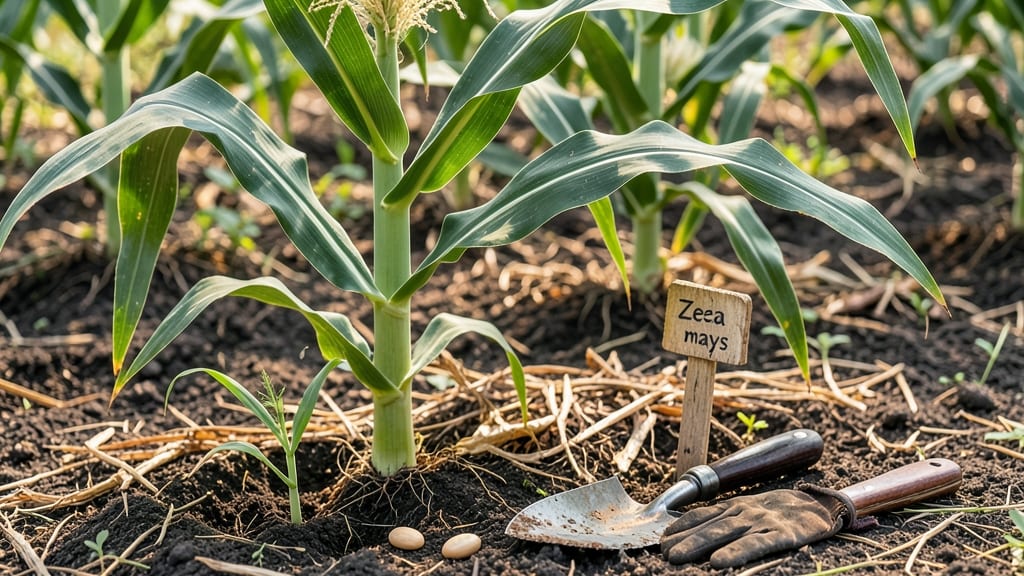
Timing your 🌽 corn planting in Northern California isn’t just about the calendar—it’s about beating frost, warming soil, and avoiding those frustrating late-summer surprises that leave your harvest stunted.
With USDA zones 7b-9a throwing curveballs from coastal chill to inland heat, one wrong move could mean the difference between a bumper crop and a sad, wilted disappointment.
I’ve grown corn in this region for years, and the key to success? Knowing exactly when your soil hits that 60°F sweet spot—not just guessing based on the first warm day.
Whether you’re in Humboldt’s cooler microclimate or Sacramento’s faster-warming valleys, the right planting window could save you weeks of frustration and lost yield.
What if you could pinpoint the perfect 30-day window for your county, adjust for coastal delays, and even stretch your harvest into October? That’s exactly what I’ll show you—no more second-guessing, just confident planting that leads to sweet, plump ears ready for the cob.
Let’s dive into the exact dates, soil tricks, and variety hacks that’ll turn your Northern California garden into corn country—without the guesswork. Your future self (and your dinner table) will thank you.
Northern California corn planting dates by county: frost-free deadlines & last safe planting windows
Timing your corn planting in Northern California depends heavily on your county’s frost-free dates and microclimate variations. Coastal areas like Humboldt and Mendocino have later frost risks than inland regions like Sacramento or Fresno.
Missing these deadlines can leave your plants vulnerable to fall frost damage, stunting growth or killing your crop entirely.
For most Northern California counties, the last frost date typically falls between March 15 and April 15, but coastal regions often see frost as late as May 1. This means your first planting window should start 2-4 weeks after your local last frost date.
For example, if your last frost is April 1, aim to plant by May 1 to ensure a full 90-120 day growing season before fall frosts arrive.
Here’s a breakdown of county-specific planting windows to help you avoid common mistakes like planting too early or too late. Use these as guidelines, but always check your local USDA Plant Hardiness Zone (typically Zone 8-10 in Northern California) for precision.
| County | Last Frost Date | First Planting Window | Last Safe Planting | Notes |
|---|---|---|---|---|
| Humboldt | April 15 - May 1 | May 15 - June 1 | June 15 | Coastal fog delays warmth; use black plastic mulch to warm soil. |
| Mendocino | April 1 - April 15 | April 30 - May 15 | June 1 | Mountain areas may need succession planting for extended harvests. |
| Sonoma | March 15 - April 1 | April 15 - May 1 | May 15 | Warmer inland valleys allow earlier planting than coastal areas. |
| Sacramento | February 15 - March 1 | March 15 - April 15 | May 1 | Hot summers; prioritize shade cloth for young plants. |
| Fresno | February 1 - February 15 | March 1 - March 15 | April 15 | Longer growing season; ideal for late-maturing varieties like 'Country Gentleman'. |
| Shasta | March 15 - April 1 | April 15 - May 1 | May 15 | High elevation; choose short-season varieties like 'Golden Bantam'. |
If you’re in a coastal county like Humboldt or Mendocino, your last safe planting date is critical—planting after June 15 risks ears maturing too late for fall harvests.
Inland areas like Sacramento or Fresno offer a longer window (up to April 15 for last planting), but heat stress can become an issue if planted too early.
For succession planting, space out sowings every 2-3 weeks to ensure a continuous harvest. For example, in Sonoma County, you could plant April 15, May 1, and May 15 for staggered maturity.
This is especially useful for short-season varieties like 'Golden Bantam' (75 days to harvest) that won’t make it to fall if planted all at once.
Pro tip: Use a soil thermometer to confirm soil temps are 60°F+ before planting—cold soil delays germination, even if frost risk has passed. Coastal areas often need black plastic mulch or row covers to reach this threshold.
Remember, fall frosts typically arrive between October 15 and November 15, so plan your planting to harvest 80-100 days before the first expected frost. For example, in Sacramento, aim to harvest by September 15 to avoid damage.
🌽
Ideal soil temperature ranges for corn germination & growth in Northern California climates
Corn thrives when soil temperatures hit 60°F+—this is non-negotiable for germination. In Northern California, coastal areas like San Francisco and Santa Cruz often lag behind inland regions like Sacramento or Fresno by 2-3 weeks due to ocean breezes.
Even a 5°F difference can delay sprouting by up to a week.
For fast germination, aim for soil temps between 65°F–75°F. Below 55°F, seeds rot in the soil; above 85°F, they dry out. Coastal gardeners should use black plastic mulch to warm soil faster, while inland areas may need shade cloth during heatwaves to prevent stress.
🌱 Corn Soil Temperature Guide for Northern California
| Stage | Ideal Soil Temp (°F) | Coastal Adjustment | Inland Adjustment |
|---|---|---|---|
| Germination | 60°F–65°F | Wait 2–3 weeks longer | Plant 1–2 weeks earlier |
| Vegetative Growth | 65°F–75°F | Use mulch for warmth | Water deeply in heat |
| Tasseling & Ear Development | 70°F–80°F | Extend season with shade | Monitor for drought stress |
🌡️ Pro Tip: Use a soil thermometer to confirm temps before planting—don’t guess!
Daytime vs. nighttime temperatures matter too. Corn struggles when nights dip below 50°F during early growth, leading to poor root development. Inland valleys like Stockton or Modesto often see these drops in May, while coastal areas may avoid them until June.
Monitor your local National Weather Service forecasts for low-temperature alerts.
Heat stress is another risk. If daytime temps exceed 90°F for more than 3 days, corn can experience silking failure—a critical issue for pollination. Varieties like ‘Black Aztec’ or ‘Country Gentleman’ tolerate heat better than ‘Golden Bantam’, which bolts quickly in hot conditions.
Choose wisely based on your microclimate.
To check soil readiness, stick your finger 2 inches deep. If it feels warm to the touch (like a steaming cup of tea), it’s time to plant. Coastal gardeners can speed up warming by planting in raised beds or using clear plastic tunnels to trap heat.
Inland gardeners should prioritize even moisture to prevent soil crusting, which blocks oxygen and stunts growth.
Remember: Corn’s growing season is short—typically 75–120 days to harvest. If your soil stays cool past June 15, opt for fast-maturing varieties like ‘Early Sunglow’ (65 days) or ‘Peaches & Cream’ (85 days) to avoid fall frost risks.