
Plants
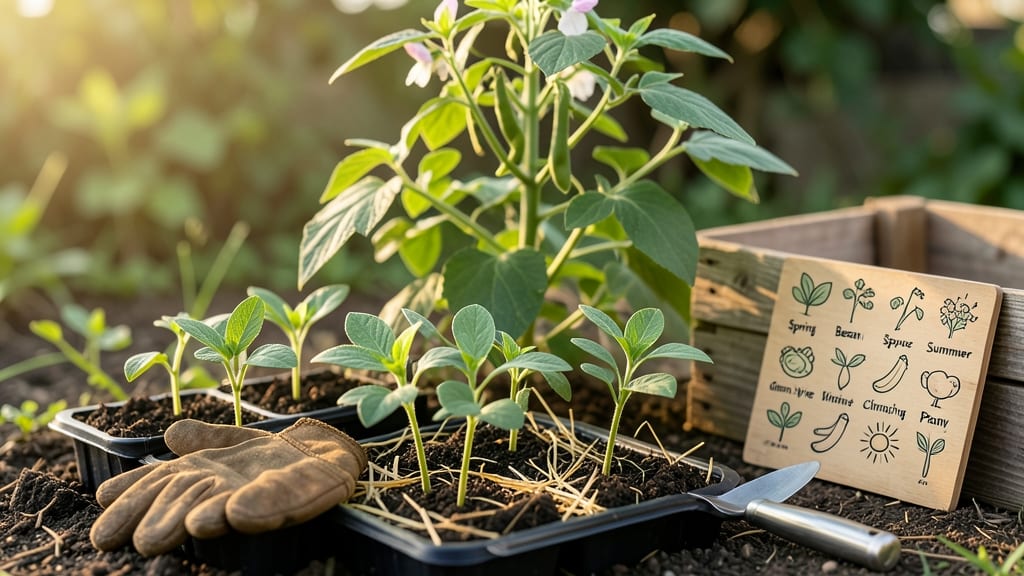
When to plant beans in California can make or break your harvest—because a 6-week timing mistake means the difference between a bumper crop and wilted plants. With coastal zones like San Diego enjoying frost-free growing year-round and inland valleys like Fresno facing early frosts by November, your planting window isn’t one-size-fits-all.
I’ve grown 🌱 beans across California’s diverse microclimates, and the key is understanding your local frost dates—whether you’re in USDA Zone 9b (like Palm Springs) or Zone 7 (like Sacramento). Coastal gardeners can plant almost anytime, while inland growers should aim for February through September, avoiding summer’s scorching heat.
In this guide, I’ll break down the exact months to plant for your county, plus soil temperature tricks to extend your season. Whether you’re growing bush beans for quick harvests or pole beans for climbing vines, timing is everything.
Ready to turn your garden into a bean bonanza? Let’s dive into the perfect planting schedule for your California climate.
California bean planting zones by county: frost-free deadlines for pole and bush varieties
California’s diverse microclimates create wildly different planting windows for beans—what works in coastal San Francisco (USDA Zone 9) could fail in inland Fresno (Zone 8). The key?
Knowing your last frost date and adjusting for pole vs. bush beans. Let’s break it down by region so you can plant with confidence.
First, grab your frost-free date map (or use the USDA Plant Hardiness Zone Map). Coastal areas like Santa Barbara rarely see frost, while inland valleys like Bakersfield can drop below 32°F in winter.
Even within cities, elevation matters—San Francisco’s Golden Gate Park (Zone 9) is warmer than Berkeley’s hills (Zone 8).
Pole beans (indeterminate, like 'Kentucky Wonder') need a longer growing season (80–100 days), while bush beans (determinate, like 'Blue Lake') mature faster (50–60 days). This means bush beans can handle later plantings in cooler zones, but pole beans need an early start.
🌱
🌱 California Bean Planting Zones by Region
| Region | Last Frost Date | Best Planting Window | Pole Beans (Days to Maturity) | Bush Beans (Days to Maturity) |
|---|---|---|---|---|
| Northern CA (Sacramento, Redding) | March 15 – April 15 | April 1 – May 15 | April 1 – June 1 (80–100 days) | May 1 – July 1 (50–60 days) |
| Bay Area (San Francisco, Oakland) | None (Zone 9–10) | February – September | Year-round (80–100 days) | Year-round (50–60 days) |
| Central CA (Los Angeles, Santa Barbara) | None (Zone 9–10) | February – October | February – July (80–100 days) | March – August (50–60 days) |
| Southern CA (Riverside, San Diego) | None (Zone 10–11) | January – November | January – August (80–100 days) | February – September (50–60 days) |
| Inland Valleys (Bakersfield, Fresno) | December 15 – January 15 | April 1 – June 15 | April 1 – May 15 (80–100 days) | May 1 – June 30 (50–60 days) |
| Desert (Palm Springs, Imperial) | None (Zone 10–11) | September – March | September – November (80–100 days) | October – December (50–60 days) |
💡 Pro Tip: For succession planting, stagger bush beans every 2 weeks to extend harvests.
In Northern California, aim to plant pole beans by May 1 to avoid summer heat stress (temperatures above 85°F stunt growth). Bush beans are more forgiving—you can plant them as late as July 1 in cooler coastal areas like Santa Cruz, but inland, stop by June 15.
For Southern California, the game changes. Desert regions like Palm Springs can plant beans in late summer/fall (September–October) to avoid scorching heat. Meanwhile, coastal Los Angeles enjoys year-round planting, but heat-tolerant varieties like 'Romano' outperform others in July–August.
🌿
Don’t overlook soil temperature—beans need soil at least 60°F to germinate. Use a soil thermometer (or press your hand into the soil; it should feel warm, not cold). In cooler zones, wait until mid-April even if frost risk has passed. In <
How to adjust planting dates for your California microclimate: heat tolerance and soil prep
California’s microclimates create a tricky balance—coastal areas like Santa Barbara can plant beans year-round, while inland Central Valley regions face scorching summers that stunt growth. The key is adjusting your planting window based on soil temperature and heat tolerance of your bean variety.
For coastal gardens, aim to plant pole beans in February-March and bush beans in April-May. These areas rarely see frost, so you can extend harvests into fall plantings (August-September) for a late-season crop.
In contrast, inland valleys like Bakersfield should focus on spring plantings (March-April) to avoid 100°F+ soil that stresses young plants.
Soil temperature is your best guide—wait until it hits 60°F+ at a 4-inch depth. Use a soil thermometer to check, especially in clay-heavy soils (common in the Central Valley) that heat up faster. If your soil runs hot, plant heat-tolerant varieties like 'Romano' or 'Black Valentine' and use shade cloth during peak afternoon sun.
Mulching is a game-changer for California’s extremes. Apply 2-3 inches of straw or wood chips to retain moisture in dry inland areas and cool roots during summer heatwaves. For coastal foggy zones, mulch helps prevent soil compaction from heavy rains. Pair this with drip irrigation to deliver consistent moisture without wetting foliage (which invites fungal diseases like rust).
- 🌡️ Coastal Areas: Plant February-March (pole) and April-May (bush) for year-round harvests. Fall plantings (August-September) work too!
- ☀️ Inland Valleys: Stick to March-April plantings—avoid summer heat. Use shade cloth if temps exceed 90°F.
- 🌱 Soil Prep: Amend clay soils with compost to improve drainage. Sandy soils need extra mulch to retain moisture.
- ⏳ Succession Planting: Sow new seeds every 2-3 weeks for continuous harvests. Pole beans thrive in this method!
- 💧 Watering Hack: Water deeply in the morning to prevent evaporation and fungal risks from wet foliage.
Succession planting is your secret weapon for continuous harvests. In coastal areas, sow new seeds every 2-3 weeks from February through September. For inland gardens, limit succession to spring and early summer (before July heat sets in).
Choose fast-maturing varieties (like 'Contender') for shorter growing seasons.
Don’t overlook soil pH—beans thrive in 6.0–7.0. Test your soil and amend with lime (to raise pH) or sulfur (to lower it) if needed. Compost improves both structure and nutrients, while biochar helps retain moisture in drought-prone areas.
With these adjustments, you’ll turn California’s microclimate challenges into harvest success.