
Plants
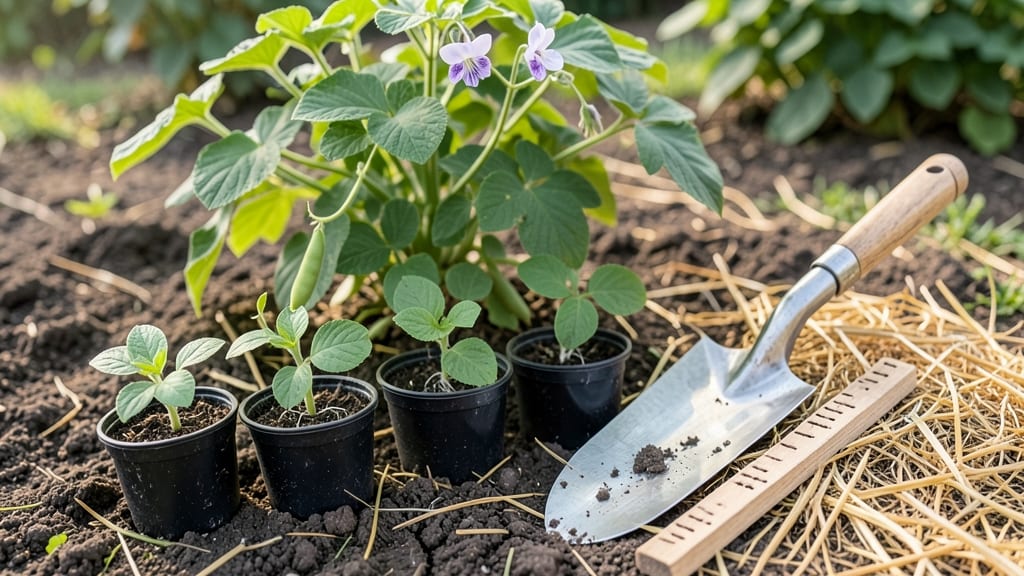
Timing your bean planting in Oklahoma can mean the difference between a thriving harvest and wasted effort—especially when unpredictable weather throws curveballs.
The best months to plant these fast-growing 🌱 vegetables hinge on avoiding frost while maximizing heat tolerance, and getting it wrong could leave you with stunted plants or no harvest at all.
Whether you're in Oklahoma City, Tulsa, or a rural area, the key is planting beans after the last frost date—typically between March 15 and May 15 for spring—and again in August or September for a fall crop.
Soil temperatures need to hit at least 60°F before seeds go in, ensuring quick germination and strong root development in Oklahoma’s 6a-8a zones.
Pole beans and bush varieties both thrive here, but choosing the right type matters: heat-tolerant varieties like 'Rattlesnake' perform better in southern Oklahoma, while faster-maturing 'Blue Lake' beans work well in cooler northern regions.
With the right timing and variety, you’ll enjoy crisp pods from June through November—no frost risk in sight.
Let’s break down the exact planting schedule, soil prep tips, and variety recommendations tailored to Oklahoma’s climate so you can grow beans that outperform the heat and drought. Ready to get started?
Oklahoma bean planting calendar: month-by-month frost & heat zones
Oklahoma’s USDA Zones 6b-8a create a unique challenge for bean growers—cool springs in the north and scorching summers in the south. To maximize your harvest, align planting with soil temperatures (minimum 60°F) and frost-free windows.
Northern Oklahoma (e.g., Zone 6a) has 180 frost-free days, while southern regions (e.g., Zone 8a) stretch to 240 days.
Spring planting kicks off 2 weeks after last frost, typically mid-March to mid-April in northern areas, while southern Oklahoma can start as early as late February.
Fall plantings thrive from early August to mid-September, avoiding the first frost that hits late October in the north and mid-November in the south.
Here’s how to time it perfectly for pole beans, bush beans, and snap beans across Oklahoma’s regions:
| Region | USDA Zone | Spring Planting | Fall Planting | Key Tip |
|---|---|---|---|---|
| Northern OK (OKC, Tulsa) | 6a-6b | April 15–May 1 | August 15–September 1 | Use row covers for early starts. |
| Central OK (Stillwater) | 7a | March 20–April 15 | August 1–August 15 | Prioritize heat-tolerant varieties. |
| Southern OK (Lawton, OKC) | 7b-8a | February 28–March 31 | August 15–September 15 | Plant black beans for late-season heat. |
| Western OK (Amarillo) | 7a | April 1–April 15 | August 10–August 25 | Watch for drought stress. |
For pole beans, which need 6+ feet of trellis space, start seeds indoors 4-6 weeks before last frost in northern zones. Bush beans, with their compact 2-3 foot height, can be direct-sown after soil warms to 65°F. Snap beans thrive in both spring and fall but require consistent moisture to avoid woody pods.
Oklahoma’s summer heat (often exceeding 95°F) can stress beans, so fall plantings in August-September often yield sweeter pods. Use black plastic mulch to retain soil moisture and shade cloth in peak summer to protect young plants.
Pro tip: Test soil pH (6.0-7.0) before planting—Oklahoma’s clay-heavy soils benefit from compost amendments to improve drainage. Mix in aged manure or worm castings for nutrient-rich soil that encourages faster germination.
In Zone 8a (southern Oklahoma), you can even try year-round plantings with succession sowing every 2-3 weeks to enjoy fresh beans from spring through fall. Just monitor for bean beetles and aphids, which thrive in Oklahoma’s humid summers.
Remember: Soil temperature matters more than air temperature. Use a soil thermometer to confirm 60°F+ before planting—cold soil delays germination and weakens seedlings. In Zone 6a, this often means waiting until mid-April.
For container gardening, choose bush varieties like 'Blue Lake' and plant in 5-gallon pots with well-draining mix. Water containers daily in summer to prevent root stress from drying out.
🌱
How to avoid common bean planting mistakes in Oklahoma’s climate
Oklahoma’s unpredictable weather turns bean gardening into a high-stakes game—one wrong move, and you’ll lose your entire crop to fungus, overheating, or nutrient burnout.
I’ve learned the hard way: skipping soil prep or watering at the wrong time can turn your 6-foot-tall pole beans into sad, wilted sticks. Here’s how to sidestep the pitfalls and keep your plants thriving from sprout to harvest.
The biggest mistake? Planting too early when soil temperatures dip below 60°F. Beans are heat-loving plants—they refuse to germinate in cold soil, leaving you staring at empty rows while your neighbors harvest. Use a soil thermometer (just $10 at garden centers) to check before you drop those seeds.
If it’s cooler than 55°F, wait another week—your patience will pay off with vigorous growth instead of stunted seedlings.
⚠️ Critical Warning: Oklahoma’s Hidden Bean Killers
1. Overwatering in summer: Beans hate soggy roots. Oklahoma’s 90°F+ heat dries soil fast, but heavy watering at night triggers fungal diseases like rust. Water deeply in the morning (1-1.5 inches per week) and mulch with straw to lock in moisture.
2. Ignoring soil pH: Oklahoma’s clay-heavy soil often tests too alkaline (pH 7.5+). Beans need 6.0–7.0 pH to absorb nutrients. Mix in composted manure or sulfur before planting—it’s the difference between lush green leaves and yellowing foliage.
3. Planting too close: Crowded beans compete for sunlight and spread diseases faster. Space bush beans 4–6 inches apart and pole beans 6–8 inches apart with 18-inch rows. Trust me, your harvest yield will double.
Another rookie error? Skipping succession planting in Oklahoma’s short growing season. If you plant all your beans at once in April, you’ll be done harvesting by July—leaving your family craving green pods for months.
Instead, stagger plantings every 2–3 weeks from March to May for a continuous harvest through October. Pro tip: Save seeds from your best-performing plants to replant in August for a fall crop.
Don’t forget Oklahoma’s drought cycles. Even in USDA Zone 7a, we get 50°F temperature swings between day and night. Use drip irrigation to deliver water directly to roots—it saves 30% more water than overhead sprinklers and keeps foliage dry (reducing powdery mildew).
For container gardens, switch to self-watering pots; they’re a lifesaver when you’re swamped with summer chores.
For pole beans, support is non-negotiable. Oklahoma’s wind gusts (especially in panhandle regions) can snap 6-foot vines like twigs. Install T-post trellises or cattle panels before planting—it takes 10 minutes and prevents heartbreak later.
And if you’re growing near oak trees, watch for leaf scorch; beans hate acidic leaf drop. Plant them 20 feet away from trees to avoid stress.
Finally, resist the urge to over-fertilize with nitrogen. Too much N makes beans leafy but barren—no pods, just foliage. Use a balanced 5-10-10 fertilizer instead, and side-dress with compost tea when flowers appear.
In southern Oklahoma (Zone 8a), where summers stretch into October, add a slow-release fertilizer in August to keep plants producing through the fall harvest.
With these fixes, your bean plants will reward you with crisp pods instead of wilting disappointment. Now grab your garden gloves—it’s time to plant smart, not just hard! 🌱