
Plants
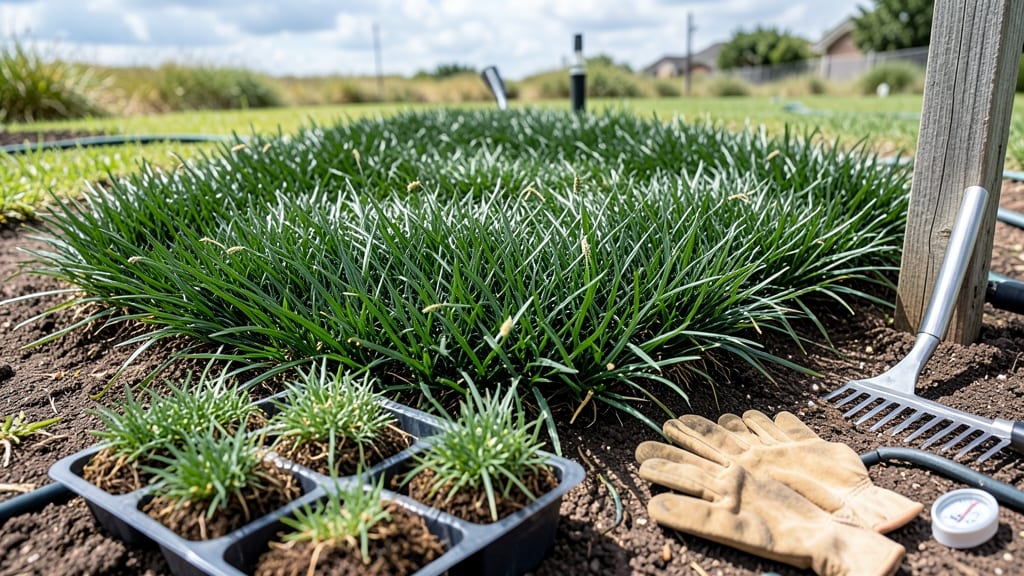
Planting Coastal Bermuda hay at the wrong time in Texas can turn your hard work into a costly mistake—especially when summer’s brutal heat arrives too soon. This drought-resistant grass thrives in 9a-10a zones, but getting the timing right means the difference between a lush pasture and wasted seed.
The key isn’t just following a calendar; it’s watching for soil temps to hit 65°F+ and rainfall patterns that keep seeds moist without drowning them.
Most Texas ranchers swear by two windows: March-May for spring planting and August-September for fall. But coastal regions near the Gulf face different challenges than inland areas—salt spray, humidity, and unpredictable storms can all throw off your schedule.
I’ll break down exactly how to read your soil, adjust for microclimates, and avoid the 5 biggest mistakes that kill Coastal Bermuda before it even takes root.
You’ve probably heard that Bermuda grass is tough, but even the hardiest varieties need the right start. We’re talking about year-round harvest potential—but only if you plant when the conditions are perfect.
Too early, and frost can still linger; too late, and the heat stress will shut down germination before it begins. Let’s dive into the soil temp triggers, rainfall rules, and regional tweaks that’ll give you the greenest, most resilient pasture in Texas.
Whether you’re a first-time planter or a veteran rancher fine-tuning your routine, these insights will save you time, money, and frustration. By the end, you’ll know exactly when to pull the trigger—so your Coastal Bermuda hay doesn’t just survive, but thrives in Texas’ toughest conditions.
Coastal hay planting timeline by Texas region (soil temp & rainfall guide)
Texas’ diverse climate zones mean your Coastal Bermuda hay planting window varies dramatically—from North Texas’ cooler springs to South Texas’ extended growing seasons. The golden rule? Wait until soil temps hit 65°F+ and align with rainfall patterns to avoid seed desiccation.
Let’s break it down by region so you don’t gamble with your seed budget.
In North Texas (USDA Zones 7b-8a), your best planting window is mid-March to early May, when daytime highs stabilize above 70°F and morning dew provides natural moisture. This region’s lower humidity and higher winds demand extra attention to seed-to-soil contact—consider a light mulch or starter fertilizer to compensate.
For Central Texas (Zones 8a-8b), aim for late February to mid-April, leveraging the balanced rainfall of spring. Here, soil warmth arrives faster than in the north, but unpredictable droughts can derail germination.
Monitor 1-inch soil moisture with a trowel test—if it’s dry at 2 inches deep, delay planting until rains return.
South Texas (Zones 9a-10a) offers two prime windows: January-February (for early bloomers) and August-September (fall establishment). The coastal influence here means higher humidity and saltier soils—rinse seedbeds with fresh water before planting to mitigate salinity stress. Summer planting is a gamble unless you’re irrigating daily.
Pro tip: Use a soil thermometer ($15 at garden centers) to verify temps—surface readings can be 10°F hotter than 4-inch depths where roots establish. If your morning lows dip below 55°F, delay planting until nights warm up consistently.
Rainfall is your secret weapon in Texas. After planting, aim for 1-1.5 inches of water per week (including rainfall) to prevent seed from drying out.
In drought-prone areas, consider drip irrigation on a timer to maintain moisture without overwatering. Overhead sprinklers can wash away seeds or spread disease in humid conditions.
For coastal areas, timing also means avoiding hurricane season (June-November). If you plant in late summer, choose August over September to give seedlings time to root before storms hit.
In inland regions, fall planting (August-September) can work if you irrigate—just stop watering by October to harden off plants for winter.
Remember: Coastal Bermuda hay is perennial, but first-year establishment makes or breaks your field. If you plant too early and hit unpredictable freezes (yes, even in South Texas!), your stand may thin. Wait for consistency—your future hay yields depend on it.
5 Critical signs your Texas soil is ready for coastal hay (beyond the calendar)
Timing your Coastal Bermuda hay planting isn’t just about checking a calendar—it’s about reading your soil’s hidden signals. Texas’ unpredictable climate means soil temperature, moisture levels, and even weed pressure can make or break your establishment. I’ve learned these 5 key signs save time, seed, and frustration.
First, test your soil temperature at a depth of 2 inches—it must stay above 65°F consistently for 3-5 days. Use a simple soil thermometer; anything cooler delays germination. Coastal Bermuda seeds need warmth to break dormancy, and Texas’ spring soil warms faster in South Texas than in North Texas.
Next, check for soil moisture depth—stick your finger 4-6 inches down. If the soil feels dry at this depth, wait for 0.5-1 inch of rain or water deeply before planting. Seed-to-soil contact is critical; dry seeds won’t sprout, no matter the calendar date.
I’ve seen wasted seed from planting too early when moisture evaporated overnight.
Use a thermometer to confirm 65°F+ soil temp at 2" depth for 3+ days. North Texas waits until late April; South Texas can start in mid-March.
Finger-test 4-6" depth. If dry, wait for rainfall or water 1-1.5" before planting. Overwatering risks seed rot—balance is key.
If weeds like henbit or dandelions are thriving, your soil is too fertile. Coastal hay prefers leaner soil—till or herbicide before planting to reduce competition.
Avoid planting when afternoon temps exceed 90°F. Seeds won’t germinate in extreme heat—wait for cooler mornings (ideal: 75-85°F daytime highs).
For no-till, ensure seedbed prep with a crimper roller. For conventional tillage, loosen soil to 4-6" depth 1-2 weeks before planting for better seed contact.
Finally, watch for heat stress warnings—if your area is forecasted for three consecutive 90°F+ days, delay planting. Coastal Bermuda seeds can’t handle that kind of heat, and even established plants may struggle. I’ve seen poor germination rates when ranchers rushed planting in May’s heat.
Adjust your approach based on whether you’re using no-till or conventional tillage. No-till requires precise seedbed prep with a crimper roller to ensure seed-to-soil contact, while conventional tillage lets you loosen soil 1-2 weeks ahead for better moisture retention.
Both methods need weed control—apply pre-emergent herbicide if weeds are already active.
By paying attention to these 5 signs, you’ll avoid the costly mistakes I’ve seen on Texas ranches—like planting too early, skipping soil tests, or ignoring heat warnings. Your Coastal Bermuda hay will thank you with lush, drought-resistant growth all season. 🌱